If you're selling your Utah home without a realtor and you know there are foundation issues — whether it's minor cracking, settling, or a more serious structural problem — you need to understand exactly what you're required to disclose and what happens if you don't. Utah FSBO foundation issues disclosure isn't optional, and getting it wrong can expose you to serious legal liability after closing.
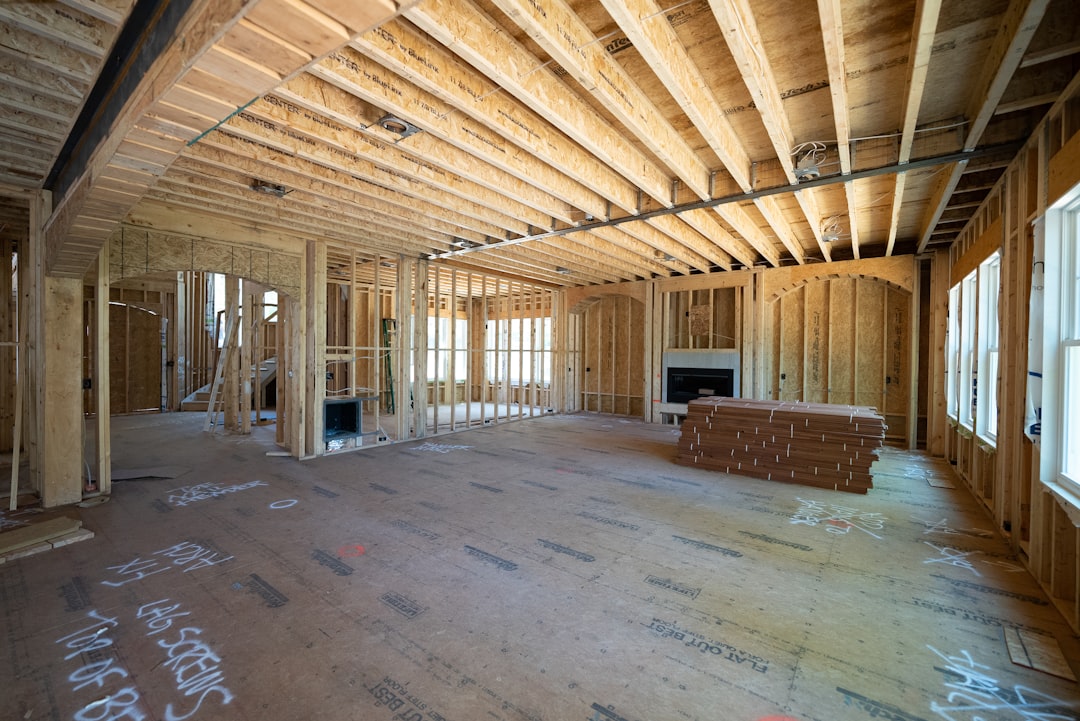 Photo by Samuel Cruz on Unsplash
This isn't the kind of thing you can paper over with a fresh coat of paint or hope buyers won't notice during inspection. Utah's disclosure law is clear, and buyers — especially those represented by agents — know what to look for.
What Utah Law Requires FSBO Sellers to Disclose About Foundations
Utah Code § 57-27-201 requires residential sellers to complete a Seller's Property Condition Disclosure (SPCD) form before accepting any offer. This form includes a dedicated section on structural and foundation conditions. You must disclose if you have actual knowledge of any of the following:
- Foundation cracks or shifting — hairline, horizontal, or vertical cracks in the foundation walls or slab
- Settling or heaving — portions of the foundation or slab that have moved up or down
- Previous repairs — any waterproofing, crack injection, piering, or other structural work done to the foundation
- Water intrusion — moisture, seepage, or flooding in basement or crawl space areas connected to foundation issues
- Soil problems — expansive clay, erosion, or slope instability that has affected or may affect the foundation
The keyword here is actual knowledge. You're not required to hire an engineer to discover problems you don't know about. But if you know — or should reasonably know because you've lived there — you must disclose it.
Utah courts have found sellers liable even when they argued they "forgot" to mention a known issue, particularly when evidence like repair invoices, permit records, or contractor communications surfaced later.
Common Foundation Issues in Utah Homes
Utah's geology creates some specific foundation challenges that are worth understanding if you're a seller:
Expansive soils. Much of the Wasatch Front — including Salt Lake County, Utah County, and Davis County — sits on expansive clay soils that swell when wet and shrink when dry. This soil movement is a leading cause of foundation cracking in Utah homes built in the 1960s through 1990s.
Lateral pressure from frost. In northern Utah counties like Cache, Box Elder, and Weber, frost heave can cause seasonal movement in shallow foundations, especially in homes without adequate drainage.
Liquefaction zones. Parts of Salt Lake Valley and Utah Valley are mapped as liquefaction hazard zones by the Utah Geological Survey. Sellers in these areas should disclose proximity to these zones if it's a known concern, though formal disclosure of seismic hazards is addressed separately on the SPCD.
Fill material. Some Utah homes, particularly in newer subdivisions in Herriman, Saratoga Springs, and Eagle Mountain, were built on fill dirt rather than native soil. If you know your home was built on fill and has experienced differential settling as a result, that's disclosable.
How to Disclose Foundation Issues Correctly
The disclosure process is straightforward: be accurate, be specific, and put it in writing on the SPCD.
Use the SPCD form accurately. The Utah Real Estate Purchase Contract (REPC) system requires sellers to complete the SPCD before the contract is accepted. Check the applicable boxes for any known foundation issues. In the comment section, write a brief, factual description of the problem — "Foundation has a 3-inch horizontal crack on the north wall; repaired with epoxy injection in 2019 by XYZ Foundation Repair" is better than a vague "some foundation issues."
Attach supporting documentation. If you have invoices, engineer reports, permits, or warranty paperwork from previous foundation work, attach copies. This demonstrates good faith disclosure and limits your liability significantly.
Don't guess — get an inspection if you're unsure. If you see cracks but aren't sure whether they're cosmetic or structural, consider getting a structural engineer or licensed home inspector to evaluate the foundation before listing. A written report that says "minor cosmetic cracking, no structural concern" is far more useful than leaving buyers to speculate.
Disclose even if it was "fixed." A common mistake FSBO sellers make is thinking that because a foundation problem was repaired, they don't need to disclose it. That's wrong. If you had foundation work done, disclose it. Buyers deserve to know the repair history. Learn more about Utah FSBO contractor disclosures — understanding what you must reveal about all contractor work, not just foundation repairs, protects you legally.
What Happens If You Don't Disclose
Under Utah Code § 57-27-202, a buyer who discovers an undisclosed material defect after closing can pursue legal action for damages. In foundation cases, those damages can be substantial — structural repairs commonly run from $10,000 to $50,000 or more depending on the severity.
Utah courts have awarded buyers:
- The cost of repair
- Diminution of value
- In some cases, attorneys' fees
Intentional concealment can expose sellers to fraud claims, which carry even greater exposure. Hiding a known foundation issue in Utah is not a gray area — it's a significant legal risk.
Beyond the legal consequences, undisclosed foundation issues can unravel a sale even if discovered before closing. If a buyer's home inspector or appraiser flags foundation problems that weren't disclosed, buyers often have grounds to terminate under the due diligence provisions of the Utah REPC.
How Foundation Issues Affect Your FSBO Sale
Disclosing foundation issues doesn't necessarily kill your deal — it just changes the negotiation.
Price accordingly. If your home has known foundation problems that haven't been repaired, the most straightforward approach is to price the home to reflect that. Get a repair estimate and price below comparable homes by roughly that amount. Buyers shopping for value will appreciate the transparency.
Repair it first. If the issue is moderate and a repair quote is reasonable, fixing the foundation before listing can increase your sale price and eliminate a major inspection concern. A repaired foundation with documentation is much less of a deal-breaker than an open issue.
Market it as-is. Some buyers — particularly investors and cash buyers — specifically seek homes with known issues at a discount. For a straightforward as-is FSBO sale in Utah, transparency about the foundation condition upfront can actually attract these buyers faster than a traditional listing. Review how to sell your Utah home as-is FSBO if this fits your situation.
Offer a repair credit. Buyers who want to negotiate but are otherwise committed to your home may accept a closing credit in lieu of a repair. This keeps the deal intact without requiring you to manage a contractor before closing.
What Buyers' Home Inspectors Look For
If you disclose foundation issues upfront, expect buyers to hire a home inspector and potentially a structural engineer to evaluate the problem. Utah home inspectors are licensed under the Utah Division of Real Estate and are trained to assess foundation conditions.
Common things they'll check:
- Horizontal cracks (often a sign of lateral soil pressure — more serious)
- Stair-step cracks in block or brick foundations
- Bowing or bulging walls
- Evidence of previous repair that may have shifted or failed
- Water staining or efflorescence (mineral deposits from moisture)
- Sloping floors or misaligned doors/windows on upper floors
If you've already had a professional evaluation done, sharing that report with the buyer's inspector can streamline the process and demonstrate that you're acting in good faith.
Getting Legal Help With Your Foundation Disclosure
Foundation issues are one of the more legally sensitive disclosure categories in Utah real estate. If you're unsure whether something rises to the level of a "material defect" requiring disclosure, or if you want to make sure your SPCD is completed correctly, it's worth getting a brief legal review before you list.
At Utah FSBO Help, we work with FSBO sellers across the Wasatch Front and beyond — including Salt Lake County, Utah County, Davis County, and Washington County — to make sure their disclosures are accurate, their contracts are properly structured, and they close without legal exposure.
Ready to get started? Tyler offers a free 15-minute consultation — schedule yours at utahfsbohelp.com/contact.
Questions about your situation?
Book a free 15-minute call with a licensed Utah real estate attorney.
Book a Free ConsultationOr call/text: 801-725-3482