When selling your home without an agent in Utah, contractor work is one of the most commonly overlooked disclosures. Whether you hired professionals to renovate your kitchen, install new roofing (see our Utah FSBO roof disclosure guide), or handle foundation repairs, Utah law requires you to tell buyers about this work. Understanding what you must disclose — and how — protects you from legal liability after closing.
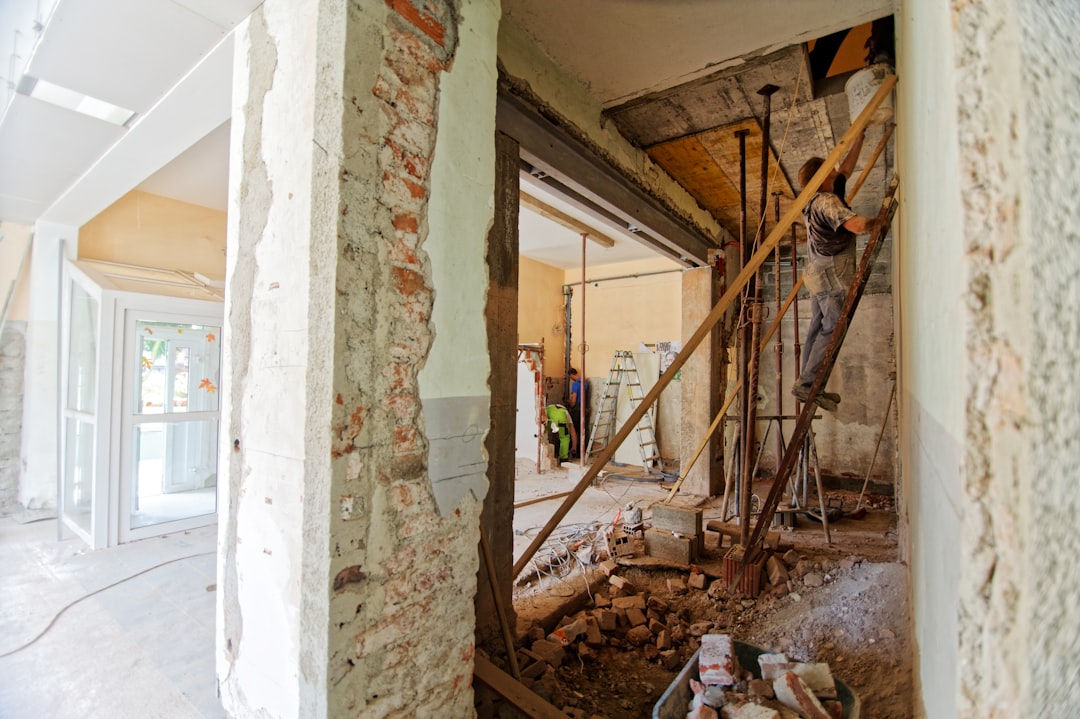 Photo by Milivoj Kuhar on Unsplash
What Is a Contractor Disclosure in Utah?
In Utah, a contractor disclosure reveals to the buyer any work performed by contractors or licensed professionals on your home. This includes recent repairs, renovations, additions, and upgrades. Utah real estate law treats contractor work seriously because botched or unpermitted projects can create major problems — foundation damage, electrical hazards, plumbing code violations — that affect the property's safety and resale value.
The Utah REPC (Real Estate Purchase Contract) specifically asks about contractor work and repairs. You must answer truthfully, even if the work was done years ago.
What Contractor Work Must You Disclose?
Required disclosures include:
- All work done in the last five years (this is the standard window, though older significant work may also matter)
- Major systems: roof, foundation, electrical, plumbing, HVAC
- Structural changes or additions
- Permits pulled or unpermitted work
- Work done by licensed contractors, handymen, or even family members
- Repairs made because of damage (water damage, fire, settling, etc.)
- Kitchen and bathroom remodels
- Any work currently under warranty
- Contractor name and whether work was licensed and insured
The Danger of Hiding Contractor Work
If you fail to disclose contractor work, buyers can sue after closing for non-disclosure. In Utah, this can result in:
- Rescission (forced return of the home and refund to the buyer)
- Damages to cover cost of fixing undisclosed problems
- Attorney fees and court costs
- Liability even years after the sale closes
Utah courts have been clear: if a reasonable seller would know about contractor work or its importance, you must disclose it. Claiming you "forgot" or "didn't think it mattered" won't protect you legally.
Unpermitted Contractor Work — The Big Risk
This is the most dangerous contractor disclosure issue. If a contractor did work requiring a city or county permit but no permit was pulled, you must tell the buyer. Examples include:
- Electrical rewiring or panel upgrades
- Plumbing modifications
- Additions or room conversions
- Roof replacement (in many Utah municipalities)
- HVAC system changes
- Foundation work
- Deck or exterior structure additions
Why it matters: A buyer's lender often requires proof that permitted work was done by licensed contractors and inspected by the city. If a lender discovers unpermitted work, they may refuse to finance the home or require the buyer to get the work retroactively inspected and permitted (expensive and sometimes impossible).
After closing, the buyer can force you to pay for permits, corrections, and inspections — even if the work is now years old.
How to Properly Disclose Contractor Work in Utah
1. Gather documentation
- Contractor invoices and receipts
- Permit numbers and inspection certificates
- Warranties on workmanship or materials
- Photos or before-and-after documentation
- Warranty cards for major appliances or systems installed
2. Fill out the REPC honestly The Utah REPC has specific questions about contractor work and repairs. Answer each one completely and accurately. Don't minimize or omit details hoping the buyer won't notice.
3. Provide a written contractor disclosure In addition to the REPC, prepare a written summary listing:
- Type of work performed
- Approximate date completed
- Contractor name (if you remember)
- Whether work was permitted and inspected
- Any ongoing warranty or guarantees
- Any known issues or limitations from the work
4. Offer documentation to the buyer Make copies of permits, inspection certificates, and receipts available during the due diligence period. This builds trust and shows you have nothing to hide.
5. Disclose the source of the information If your contractor work happened before you owned the home, say so. You're only responsible for disclosing what you know or reasonably should know.
Contractor Work You Don't Need to Disclose
You're not required to disclose:
- Work done by the original builder during home construction (the original permit and inspection suffice)
- Cosmetic updates that don't involve licensed work (painting, landscaping, carpet replacement)
- Work done more than five years ago (unless it's structural or affects major systems)
- Routine maintenance (roof cleaning, gutter cleaning, seasonal HVAC service)
However, if old contractor work has created ongoing problems, disclose it.
Red Flags That Trigger Buyer Scrutiny
Buyers will likely investigate contractor work if they notice:
- Different roofing materials or age inconsistencies
- Mismatched electrical panels or circuit breakers
- Added square footage or room divisions
- Updated HVAC systems
- Recent foundation repairs or settling
If you're selling FSBO in Utah, be proactive. When buyers spot contractor work, explain it honestly upfront rather than letting them wonder and distrust you.
Ready to Sell FSBO Without Mistakes?
Contractor disclosure is just one of many disclosures Utah FSBO sellers must navigate. Get the details wrong, and you risk lawsuits, lost earnest money, or forced rescission after closing.
If you're unsure about what to disclose or need help preparing contractor documentation, Tyler offers a free 15-minute consultation to walk you through your specific situation — schedule yours at utahfsbohelp.com/contact.
Selling FSBO in Utah works great when you handle disclosures correctly. Don't let contractor work derail your sale.
Questions about your situation?
Book a free 15-minute call with a licensed Utah real estate attorney.
Book a Free ConsultationOr call/text: 801-725-3482