When selling your Utah home without a Realtor, your roof is one of the most scrutinized parts of the transaction — and one of the most common sources of post-closing disputes. Utah FSBO roof disclosure obligations are real, and getting them wrong can expose you to legal liability even after the sale closes. This guide explains what you're required to disclose, how to do it properly, and what happens if you don't.
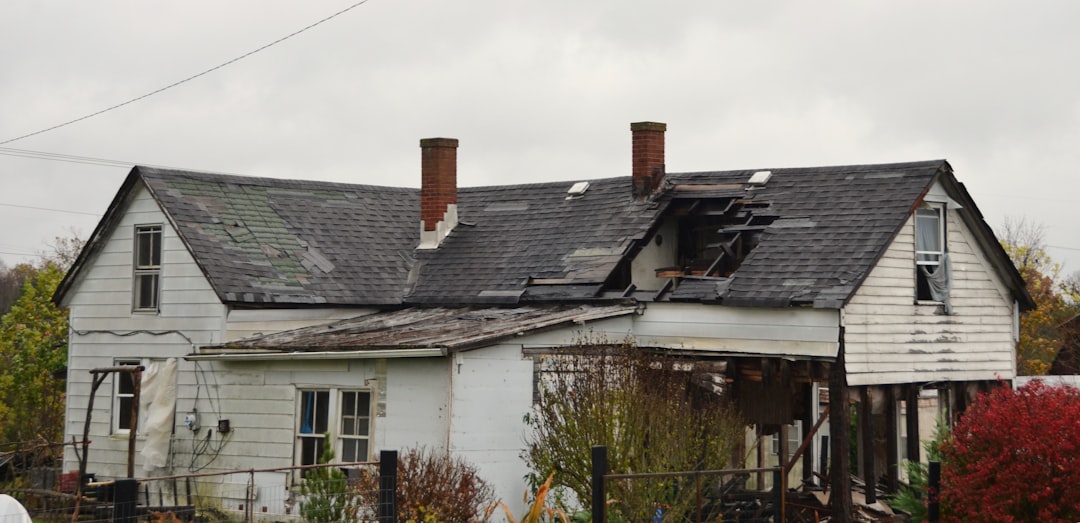 Photo by Roger Starnes Sr on Unsplash
Why Roof Disclosure Matters in Utah FSBO Sales
Roof problems are expensive. A failing roof in Utah can run $8,000 to $25,000 to replace, depending on pitch, square footage, and material. Buyers know this — and their inspectors look hard at the roof on every sale.
Utah law requires sellers to disclose material facts that could affect a buyer's decision. Under Utah Code § 57-1-1 and the Utah Division of Real Estate's seller disclosure framework, any known defect that could affect the value or desirability of the property must be disclosed. The roof is squarely within that standard.
The key word is known. You are not expected to be a roofing expert. But you are required to disclose what you actually know — including things you've observed, repaired, been told about, or discovered during your ownership.
What You Must Disclose About Your Roof
Required disclosures include:
- Any known leaks, past or present, including those you've fixed
- Water damage to ceilings, attic, or walls caused by roof failure
- Roof repairs performed in the last several years
- Age of the roof, if known (especially relevant for roofs over 15 years old)
- Missing, cracked, or curling shingles you're aware of
- Ice dam damage, which is common in Utah's Wasatch Front communities during winter
- Flat roof seam failures or drainage problems
- Work done by contractors — licensed or otherwise — on the roof (see our related guide on Utah FSBO contractor disclosure)
- Roof damage or leaks specific to an attached or detached garage (for outbuilding disclosures more broadly, see Utah FSBO garage and outbuilding disclosure)
- Insurance claims filed related to the roof, including hail or wind damage
- Any active leaks or areas of ongoing concern
You do not need to disclose what you genuinely don't know. If you've never been in your attic and have no reason to suspect a problem, you're not required to speculate. But if you noticed a water stain on the ceiling in the upstairs bedroom and had it patched, that history needs to be disclosed.
The Utah Seller Disclosure Form and the Roof
Utah sellers typically use the Seller's Property Condition Disclosure (SPCD) form. This document includes specific questions about roof condition and history. When selling FSBO in Utah, you're still expected to complete this form honestly, even without an agent prompting you.
The SPCD asks directly:
- Has the roof leaked? (Yes/No, with description if yes)
- Has the roof been repaired or replaced? (Yes/No, with approximate date and description)
- Are you aware of any current roof problems?
Answer each honestly. If you had a leak three years ago and patched a few shingles, say so. Buyers can evaluate that information and may not even make it a negotiating point — but hiding it creates real legal exposure.
In counties like Salt Lake, Utah, Davis, and Weber County, real estate attorneys see post-closing disputes over undisclosed roof problems regularly. These cases almost always trace back to a "Yes" answer the seller gave on a disclosure but then tried to minimize.
What About Older Roofs in Utah?
Utah's climate is hard on roofs. UV exposure from high elevation, heavy snow loads in places like Park City, Draper, and the Ogden area, and hail storms from summer monsoons all accelerate wear.
If your roof is more than 15–20 years old, a buyer's lender may require proof that the roof has remaining useful life before approving the loan. FHA and VA loans in particular have strict appraisal standards around roof condition. If the appraiser notes "probable remaining life under 2 years," the lender may require a roof replacement before closing.
As a Utah FSBO seller, you have a few options if your roof is aging:
- Disclose the age and condition honestly and price accordingly
- Get a pre-listing roof inspection from a licensed Utah roofer (typically $150–$300) so you can share documented information with buyers
- Offer a seller concession to credit the buyer for roof repair or replacement at closing
- Replace the roof before listing if market conditions support the investment
None of these options requires you to hide the age of the roof. Honest disclosure paired with pricing is almost always the better approach.
Hail Damage in Utah: A Common Disclosure Issue
Utah, particularly along the Wasatch Front from Cache County down to Utah County, gets significant hail storms. Many homeowners file insurance claims for hail damage and have their roofs repaired or replaced — often without fully understanding the extent of the original damage.
If you filed an insurance claim for hail damage on your roof, disclose it. Buyers have the right to know. Their home inspector may pull a CLUE report (which shows insurance claims history), and it's better they find out from you than from a third party after you've already signed disclosures.
If your roof was replaced after a claim and is now in good condition, that's actually a positive selling point — a newer roof with documented work can help your home in a competitive Utah market.
Roof Issues Found During the Inspection
Most Utah FSBO sellers encounter the roof question again when the buyer's inspector submits their report. If the inspector finds problems you weren't aware of, you're not necessarily liable — you can only disclose what you knew.
However, once you see the inspection report, those problems become known to you. If the deal falls through and you relist the home, you must now disclose those issues because you have actual knowledge of them. This is an area where Utah FSBO sellers sometimes get tripped up — they think ignoring the inspection report protects them. It doesn't.
For guidance on how to handle negotiations after an inspection, see our post on Utah FSBO negotiating repairs.
Consequences of Failing to Disclose
Utah takes seller disclosure seriously. If a buyer discovers a roof defect after closing that you knew about and didn't disclose, you can face:
- Lawsuit for fraud or misrepresentation — buyers can sue for the cost of repairs plus damages
- Rescission of the sale in serious cases — meaning the buyer can attempt to unwind the transaction entirely
- Utah Division of Real Estate complaints — though this applies more to licensees, attorneys general investigations of fraud are possible in egregious cases
The statute of limitations on Utah real estate fraud claims gives buyers several years to bring a claim. Roof problems that manifest a year after closing and trace back to something you knew about are not safely in the past.
Practical Tips for Utah FSBO Sellers
Before you list:
- Walk your perimeter and look at the roof from the ground
- Go into your attic if you haven't recently — look for water stains, soft spots, daylight
- Gather any receipts, permits, or contractor records for roof work
- Pull your own homeowner's insurance history and note any roof-related claims
When completing disclosures:
- Be specific in your descriptions — "repaired leak around chimney flashing in fall 2023" is better than a vague "minor repairs"
- Don't minimize known problems; let buyers make informed decisions
- Keep copies of your completed disclosure forms
During negotiations:
- If the inspection reveals something new, address it directly — pretending you "already knew" about it creates inconsistencies
Getting your Utah FSBO disclosure checklist right from the start prevents problems that can derail a deal at the worst possible time.
Working With a Title Company
When you close a Utah FSBO sale through a title company like RH Title, your disclosure forms become part of the transaction file. The title company doesn't verify the accuracy of your disclosures — that's your responsibility — but they do ensure the documentation is in order before closing.
If a dispute arises over roof disclosure after closing, those forms become key evidence. Making sure they're accurate and complete protects you.
Ready to get started? Tyler offers a free 15-minute consultation — schedule yours at utahfsbohelp.com/contact.
Questions about your situation?
Book a free 15-minute call with a licensed Utah real estate attorney.
Book a Free ConsultationOr call/text: 801-725-3482