Selling a home as-is in Utah means you're telling buyers upfront: this property is priced to reflect its condition, and you won't be making repairs before closing. A utah fsbo as is sale doesn't get you off the hook for disclosures — but it can simplify your transaction and help you move a property faster without coordinating contractors. Here's how it works.
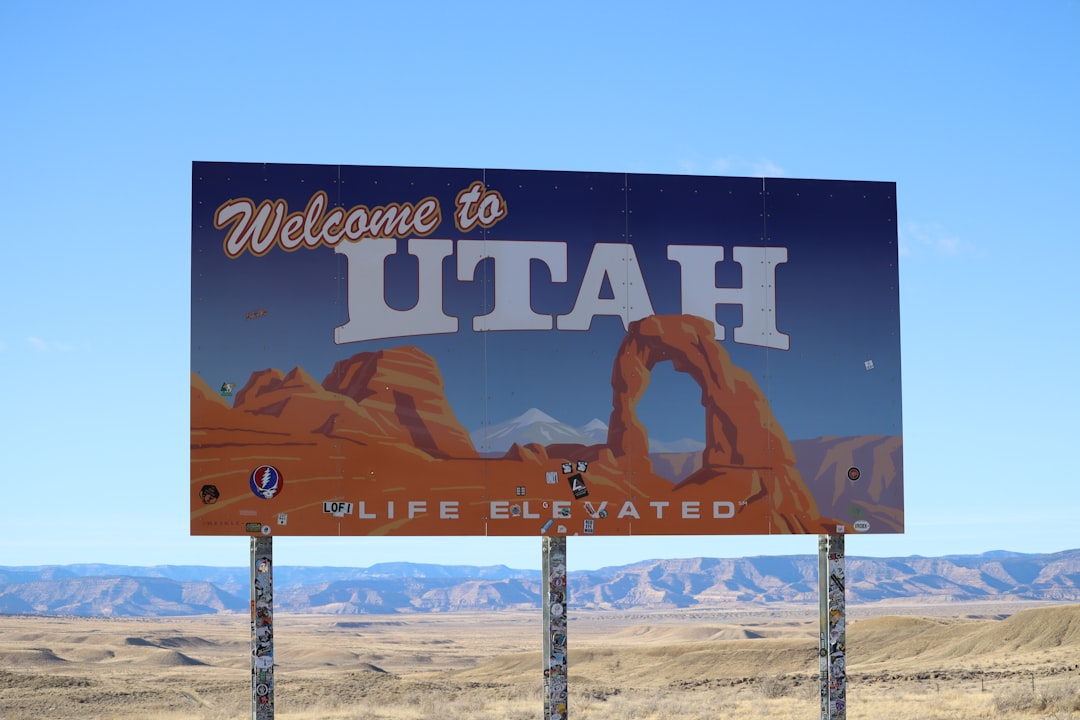 Photo by Shiva Prasad Gaddameedi on Unsplash
What "As-Is" Actually Means in Utah
In Utah real estate, "as-is" is not a legal term — it's a pricing and negotiation signal. Listing your home as-is tells buyers that you've set your price with the property's condition already factored in, and you don't intend to make concessions or repairs after an inspection.
What it does not mean:
- You can skip the seller disclosure. Utah Code § 57-27-101 requires sellers to disclose known material defects regardless of whether the sale is "as-is." You must still complete the Utah Seller's Real Property Disclosure form.
- The buyer can't get an inspection. Buyers still have the right to inspect during due diligence. As-is means you won't fix what they find — not that they can't look.
- You can hide known problems. If you know the roof leaks, the basement floods, or there's an HVAC issue, those must be disclosed. Withholding known defects exposes you to post-closing liability under Utah law, even in an as-is sale.
The practical upshot: "as-is" is a negotiating posture, not a legal shield. Your disclosure obligations remain the same.
Why Sell As-Is?
As-is listings are common in Utah for several reasons:
- Inherited or estate properties. Many Utah FSBO sellers in this situation don't have firsthand knowledge of the property's condition and aren't in a position to manage repairs.
- Deferred maintenance. If you've been in the home for 20+ years and the property needs updates, pricing it down and selling as-is is often cleaner than doing a half-dozen repairs on a tight timeline.
- Investor buyers. Utah has a strong investor market in Salt Lake, Utah, and Weber counties. Cash investors — who buy to renovate and flip or rent — expect as-is properties and won't make repair requests the way an owner-occupant buyer might.
- Speed. If you need to close in 30 days, you don't have time to manage contractors. As-is gets you there faster.
Even with an as-is listing, proper home staging can make a significant difference in attracting buyers and justifying your asking price. Staged homes show better in photos and appeal to a broader range of potential buyers.
How to Price an As-Is FSBO in Utah
Pricing an as-is property correctly is critical. If you price too high relative to condition, buyers will walk after the inspection. If you price too low, you leave money on the table.
A workable approach:
- Get a pre-listing inspection. Spend $300–$500 on a licensed Utah home inspector before you list. This tells you exactly what issues exist, so you can disclose them accurately and factor them into your price.
- Get repair estimates. For major systems (roof, HVAC, foundation), get 2–3 contractor quotes. This helps you justify your discount to buyers who bring their own estimates.
- Research comps carefully. Compare your home to recently sold properties in the same zip code in similar condition — not just general neighborhood comps. In high-demand markets like Provo, Ogden, or South Jordan, even fixer-uppers sell quickly if priced right.
- Discount from retail value. A common rule of thumb: price the home at retail minus 1.5x to 2x the estimated repair cost. If the home would be worth $450,000 fully updated and needs $30,000 in work, as-is pricing in the $390,000–$405,000 range is a reasonable starting point.
Your Disclosure Obligations Still Apply
When selling as-is FSBO in Utah, you must complete the Seller's Real Property Disclosure form before the buyer signs the REPC. This form requires you to disclose known issues with the roof, foundation, plumbing, electrical, HVAC, water intrusion, environmental hazards, and more.
The key word is known. You don't have to disclose problems you aren't aware of — but if you are aware of them, you must disclose them. Trying to hide defects in an as-is sale creates serious legal exposure. Utah buyers can sue for misrepresentation even after closing if they discover undisclosed material defects.
For a full breakdown of what's required on the disclosure form, see Utah Seller Disclosure: What You Must Tell Buyers.
Handling the Inspection on an As-Is Sale
Even in as-is deals, buyers typically exercise their inspection rights during Utah's due diligence period (usually 14 days from contract acceptance).
After the inspection, you may receive a repair request. Here's how to handle it as an as-is FSBO seller:
- Stick to your position on pricing. Remind the buyer that your price already accounts for the property's condition. The inspection confirmed what you both understood going in.
- Allow minor safety items. If the inspector flags serious health and safety issues (like a gas leak or exposed electrical), address them. These can affect the buyer's ability to get financing. If buyers keep walking due to loan issues, you may also want to explore seller financing as a way to attract buyers who struggle with conventional mortgage qualification.
- Be prepared for the buyer to walk. Some buyers get cold feet when they see an as-is inspection report. This is normal. A well-priced as-is home will attract qualified buyers who knew what they were getting into.
Closing an As-Is Utah FSBO
As-is sales close through the same process as any Utah real estate transaction — you'll still need a title company to handle the settlement, run a title search, prepare closing documents, and transfer funds. The difference is that your closing statement won't include repair credits unless you've agreed to any.
If you're working with a cash investor, closings on as-is properties in Utah can sometimes happen in 10–14 days — significantly faster than a financed purchase. Before accepting, read our guide on how to evaluate a cash offer on your Utah FSBO home so you know what to look for in terms of proof of funds, contract terms, and pricing.
Keep in mind that even though you're selling as-is, you still need to decide whether to handle the entire transaction solo or bring in a Utah real estate attorney to manage contracts and closing coordination. Many FSBO sellers find that a hybrid approach — doing the marketing yourself but hiring an attorney for the legal work — is the smartest path for as-is sales. See How to Sell Your Utah Home Without a Realtor or Attorney for guidance on where to draw the line.
Ready to get started? Tyler offers a free 15-minute consultation — schedule yours at utahfsbohelp.com/contact.
Questions about your situation?
Book a free 15-minute call with a licensed Utah real estate attorney.
Book a Free ConsultationOr call/text: 801-725-3482