Receiving a utah fsbo cash offer feels exciting—no financing contingency, faster closing, fewer moving parts. But not all cash offers are created equal, and accepting one without proper vetting can mean leaving money on the table or walking into a deal stacked against you. Here's how to evaluate a cash offer before you say yes.
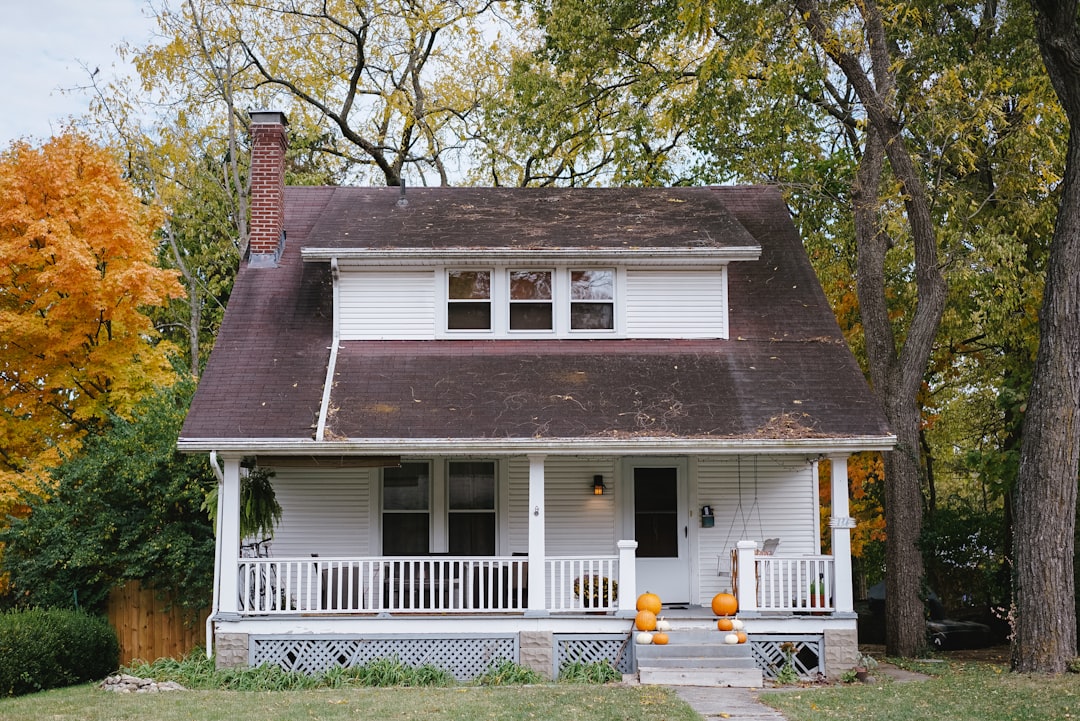 Photo by Phil Hearing on Unsplash
What Makes a Cash Offer Actually Attractive
A cash offer eliminates the biggest risk in any Utah home sale: financing fall-through. If a buyer's lender pulls their approval two days before closing—because of a job change, a new credit inquiry, or an appraisal shortfall—your deal falls apart and you go back to market. A genuine cash buyer removes that uncertainty entirely.
In Utah's competitive markets (Salt Lake County, Utah County, Davis County), cash offers can close in 10–21 days compared to the typical 30–45 day financing timeline. If you're relocating, dealing with an estate, or need to close fast for any reason, that speed has real value.
But getting a cash offer starts with getting showings. Make sure your Utah FSBO home is ready for buyers with our showing checklist.
But speed only matters if the offer is otherwise solid. Here's what to evaluate:
Check Proof of Funds First
Before you get excited about any cash offer, ask for proof of funds—a bank statement, investment account statement, or a letter from a financial institution confirming the buyer has liquid assets to cover the purchase price.
What you want to see:
- A statement dated within the last 30 days
- The account balance meeting or exceeding the offer amount
- A name that matches the buyer on the contract
What raises red flags:
- A vague letter from an LLC or "purchasing entity" with no underlying financials
- Funds from a line of credit (not the same as cash—this creates bank-dependency)
- A buyer who delays or refuses to provide documentation
In Utah, legitimate cash buyers—whether individuals or investors—will provide proof of funds without pushback. If they hesitate, treat it as a serious warning sign.
Understand Who's Actually Making the Offer
In Utah's FSBO market, cash offers often come from three types of buyers:
1. Individual home buyers with liquid assets. These are typically move-up buyers who sold their previous home, retirees, or buyers who've been saving for years. They're often the best cash counterparties: motivated, straightforward, and not trying to extract a below-market discount.
2. Real estate investors (fix-and-flip). Investors in Salt Lake, Utah County, and Weber County regularly make cash offers on FSBO properties. They're fast and easy to close with, but their offers often come in at 70–85% of market value. They're pricing in renovation costs and their own profit margin. There's nothing wrong with selling to an investor—just know that you're trading price for convenience.
3. iBuyers or "we buy houses" companies. National and regional iBuyers (including Utah-based versions) will make fast cash offers, often sight-unseen. These companies offer certainty and speed but routinely offer 10–20% below what a FSBO seller could net in the open market. Their convenience premium is steep.
Knowing who you're dealing with helps you calibrate whether the offer price is fair.
Evaluate the Offer Price in Context
A cash offer 15% below your asking price is only a good deal if the time and certainty savings justify the discount. To evaluate this, work through the numbers:
- What would a financed buyer pay? If full-price financed offers are realistic given market conditions, a cash offer needs to be close to that to be worth it.
- What are your carrying costs per month? If you're paying a mortgage, insurance, HOA dues, and Utah property taxes on a vacant home, each month of additional market time has a real cost. On a $500,000 home, carrying costs can easily run $2,500–$4,000/month. A fast cash close at $10,000 below list might pencil out better than a financed offer that takes 60 days.
- What's your risk tolerance? If the market is cooling or you've had limited showings, a certain cash offer is worth more than a speculative financed offer.
For a detailed breakdown of what you'll net at closing, review Utah FSBO Closing Costs: What Sellers Actually Pay.
Review the Contract Terms Carefully
A cash offer still requires a Utah REPC (Real Estate Purchase Contract). Don't assume fewer contingencies means fewer risks. Watch for:
- Inspection and due diligence periods: Even cash buyers typically include a due diligence period under the Utah REPC. This is the buyer's window to back out. Know those deadlines.
- Earnest money amount: A serious cash buyer should put up meaningful earnest money—typically 1–3% of the purchase price. Low earnest money on a cash offer (e.g., $500 on a $400,000 home) signals the buyer isn't fully committed.
- Closing timeline: The contract should specify a closing date. Vague language like "as soon as possible" or "30–45 days" on a cash offer is a red flag—cash buyers close fast or they're not really cash buyers. Also confirm the possession date—whether you hand over keys at recording or need a short rent-back—so there's no ambiguity at closing. See how possession dates work in Utah FSBO transactions.
- Assignment clauses: Watch for language allowing the buyer to assign the contract to a third party. This is common with investors who are wholesaling—meaning they intend to sell your contract to another buyer before closing.
Get It in Writing and Close Through a Title Company
In Utah, even a cash sale should close through a title company. The title company conducts a title search, handles the escrow, and records the deed with the county. This protects you from post-closing claims.
Do not let a cash buyer pressure you into a "direct close" outside of a title company. Legitimate buyers—including investors—close through standard Utah title companies without issue.
If you're unsure how to structure or review the REPC on a cash offer, this is exactly the type of situation a Utah real estate attorney can help with. A one-hour contract review is far cheaper than signing something unfavorable.
Ready to get started? Tyler offers a free 15-minute consultation — schedule yours at utahfsbohelp.com/contact.
Questions about your situation?
Book a free 15-minute call with a licensed Utah real estate attorney.
Book a Free ConsultationOr call/text: 801-725-3482