If you're selling a Utah investment property or rental home as FSBO and you're staring down a significant capital gains tax bill, a 1031 exchange is the most powerful tool available to defer that tax. But the rules are strict, the timelines are unforgiving, and a mistake disqualifies the entire exchange. Here's what Utah FSBO sellers need to know before proceeding.
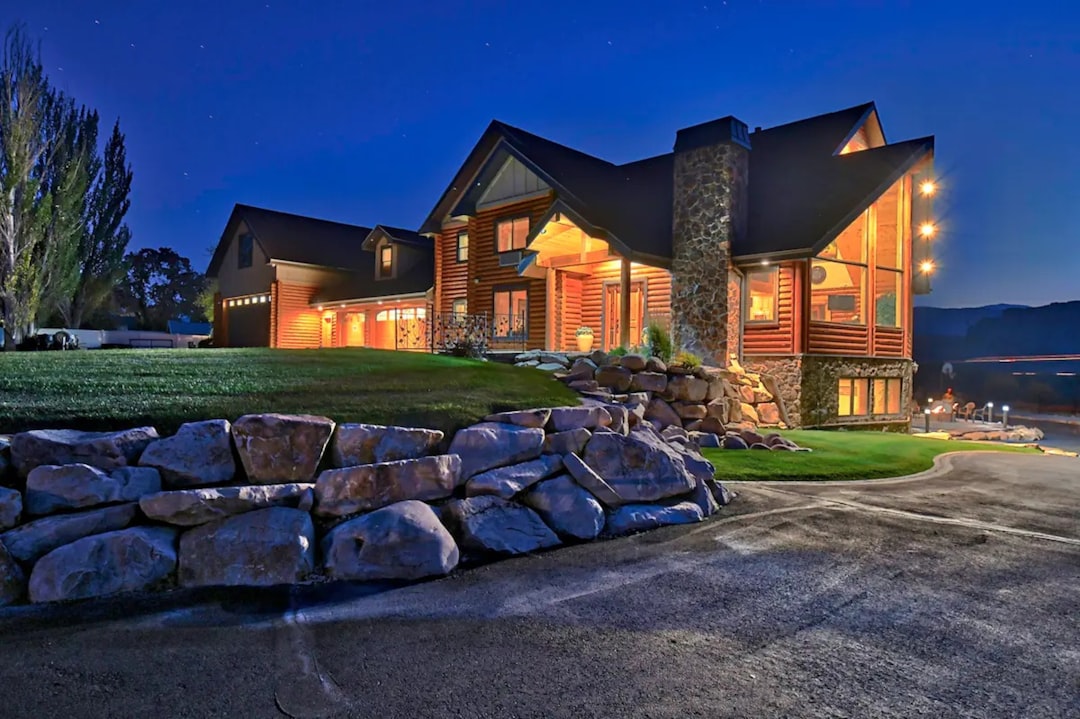 Photo by echolake houseutah on Unsplash
What Is a 1031 Exchange?
Under IRC Section 1031, you can defer capital gains tax on the sale of investment or business property by reinvesting the proceeds into a "like-kind" replacement property. As long as you follow the rules precisely, you pay no immediate tax — neither federal capital gains nor Utah's 4.55% state income tax on that gain. The tax basis carries over to your new property instead.
The exchange doesn't eliminate the tax permanently — it defers it until you eventually sell the replacement property without exchanging again. Many investors exchange repeatedly, or hold the property until death when heirs receive a stepped-up basis.
Important: This only applies to investment or business properties — rental homes, commercial property, land held for investment. It does not apply to your primary residence. If you're selling the home you live in as a FSBO in Utah, look at the Section 121 primary residence exclusion instead.
The Three Core Rules
1. Like-Kind Property
In Utah real estate, "like-kind" is interpreted broadly — any real property held for investment or business use qualifies. You can exchange a rental house in Salt Lake County for a commercial building in Davis County, bare land in Utah County for a duplex in Weber County, or even Utah property for property in another state.
What you cannot exchange:
- Your primary residence
- Property held primarily for resale (i.e., fix-and-flip inventory)
- Personal property (vehicles, equipment — though rules have changed on this)
2. The 45-Day Identification Deadline
Once you close the sale of your relinquished property, you have exactly 45 calendar days to identify potential replacement properties in writing. No extensions, no exceptions — the IRS has been firm on this even in cases of natural disasters (though some recent temporary relief has been granted).
You can identify up to three properties of any value (the "three-property rule"), or more properties if their total value doesn't exceed 200% of the relinquished property's value.
In Utah's current market, 45 days goes fast. Start identifying replacement properties before you even close on your sale.
3. The 180-Day Closing Deadline
You must close on the replacement property within 180 calendar days of the sale of your relinquished property — or by the federal tax return due date for that year (including extensions), whichever comes first. If your sale closes late in the year, file for a tax extension to preserve your full 180 days.
You Must Use a Qualified Intermediary
This is non-negotiable. You cannot touch the sale proceeds at any point between the sale and the purchase. If the funds pass through your hands — even briefly — the exchange is disqualified.
A Qualified Intermediary (QI) holds the proceeds in escrow between transactions. You assign your rights in the sale contract to the QI before closing. The QI receives the funds at closing, holds them, and then funds the replacement property purchase.
Utah has no licensing or bonding requirement for QIs, so choose carefully. Look for a QI bonded, insured, and affiliated with the Federation of Exchange Accommodators. Expect to pay $750–$1,500 for a standard two-property forward exchange.
When selling FSBO in Utah, you need to notify your title company (such as RH Title) early that you're doing a 1031 exchange. The title company coordinates with the QI to ensure the exchange assignment is in place before closing documents are signed. If you're unfamiliar with what a title company actually reviews before closing, the Utah FSBO title search guide explains the process in detail.
What "Boot" Is and Why It Matters
If you don't reinvest all of your equity and proceeds in the replacement property, the portion you keep is called "boot" — and it's taxable. To fully defer all gain, you must:
- Purchase a replacement property of equal or greater value than the one you sold
- Reinvest all net proceeds (no cash back at closing)
- Assume equal or greater debt on the replacement, or compensate with additional cash
Partial 1031 exchanges are allowed — you'll owe tax only on the boot received, not the full gain.
Common Mistakes Utah FSBO Sellers Make
- Forgetting to set up the QI before closing — once you've closed without one, it's over
- Missing the 45-day deadline because they started looking for replacement property after the sale
- Selling to a related party — 1031 exchanges with related parties (family members, entities you control) have additional restrictions
- Not notifying the title company in advance, causing closing delays
- Assuming primary residence qualifies — it doesn't under Section 1031 (though you may qualify for Section 121 exclusion)
Is a 1031 Exchange Right for Your Utah FSBO Sale?
It makes the most sense when:
- You have a large gain — six-figures or more — that would face significant federal and Utah state tax
- You want to keep investing in real estate rather than cash out
- You have time to identify and close on replacement property within the deadlines
- The replacement property you want is a genuine upgrade or better investment
If your gain is modest, or you need the cash for other purposes, the cost and complexity of the exchange may not be worth it. Run the numbers with a tax advisor before committing.
The FSBO-Specific Consideration
Selling FSBO doesn't complicate the 1031 exchange itself — the tax rules are the same whether you use an agent or not. However, without a listing agent managing your transaction, you're responsible for getting the exchange assignment paperwork to the title company on time. Don't let the details of your FSBO sale distract you from the QI setup. Get the QI engaged at the same time you start marketing the property.
Ready to get started? Tyler offers a free 15-minute consultation — schedule yours at utahfsbohelp.com/contact.
Questions about your situation?
Book a free 15-minute call with a licensed Utah real estate attorney.
Book a Free ConsultationOr call/text: 801-725-3482