If you're trying to figure out how to sell vacant land FSBO in Utah, you're dealing with a different transaction than a standard home sale. Lenders, buyers, disclosures, and even pricing work differently when there's no structure on the property. The good news: selling raw land without an agent is entirely doable in Utah, but you need to understand the specific rules that apply.
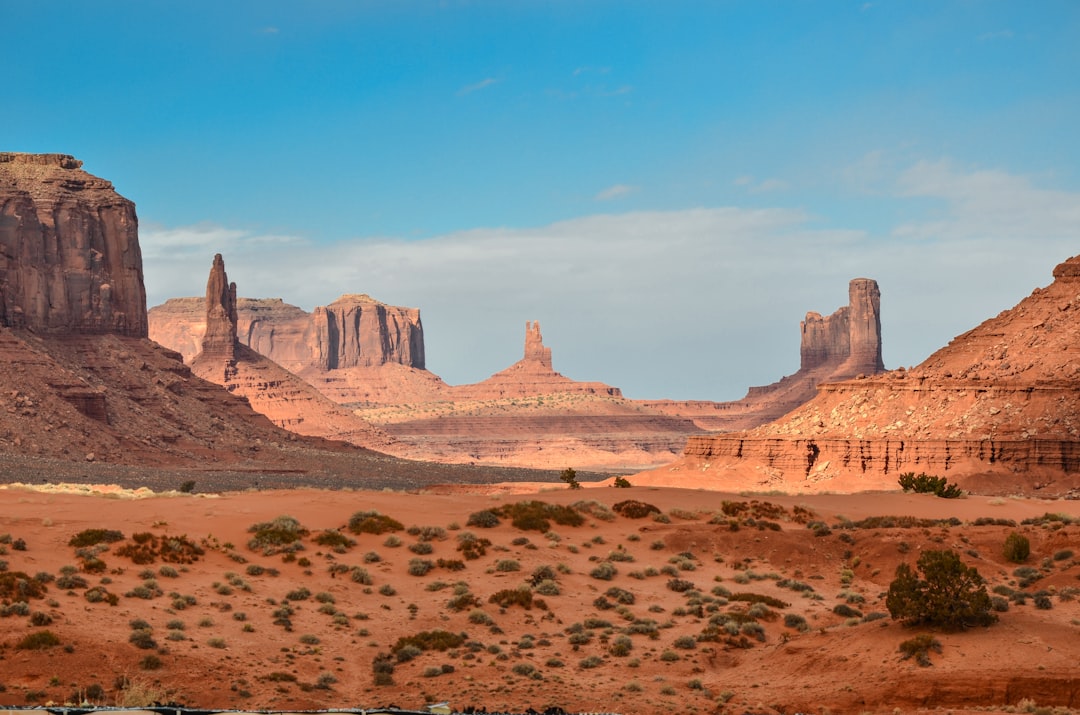 Photo by Ganapathy Kumar on Unsplash
Why Land Sales in Utah Are Different From Home Sales
Most FSBO guides assume you're selling a house. Land sales involve distinct considerations:
- No comparable sales data — raw land comps are sparse and harder to evaluate
- Fewer conventional buyers — many buyers pay cash or use land-specific financing
- Extended due diligence — buyers investigate zoning, utilities, and access before committing
- Unique Utah disclosure requirements — water rights, mineral rights, and easements carry more weight on undeveloped parcels
None of this makes the transaction harder — it just requires a different approach than selling a home.
Pricing Vacant Land in Utah
Pricing raw land is less science and more informed estimation. There's no formula like price-per-square-foot that translates cleanly to acreage.
Factors that drive Utah land value:
- Utilities and access: A parcel in Utah County with a paved road, power, and culinary water connection can be worth 3–5× more than adjacent land without utilities or with only a dirt access road.
- Zoning classification: Commercial zoning in a growing area (Lehi, St. George, Eagle Mountain) commands a premium. Agricultural zoning in rural Millard or Emery County severely limits value and buyer pool.
- Views and terrain: Utah's geography matters. Buildable lots with mountain or valley views in Wasatch Back, Washington County, or along the Wasatch Front trade at significant premiums.
- Water rights: In Utah, water rights are separate from land ownership. A parcel with adjudicated water rights is substantially more valuable than one relying on trucked water or hauling from municipal sources.
Search the Utah County Recorder or your county's assessor website for recently sold vacant parcels nearby. Call a local title company — they'll often pull comps for free, especially if they think they might handle your closing.
Disclosures Required When Selling Land FSBO in Utah
Utah's seller disclosure law (Utah Code § 57-27) applies to real property generally, but the specific items differ for vacant land.
Key land-specific disclosures:
- Water rights: You must disclose any existing water rights attached to the property, including whether they've been adjudicated, their priority date, and any shares of canal or irrigation company stock. If you're not sure what water rights exist, check with the Utah Division of Water Rights. This is critical — buyers of agricultural or rural land in Utah specifically look for this.
- Mineral rights: Utah has active oil, gas, and mineral extraction industries, particularly in Uintah, Duchesne, San Juan, and Carbon counties. If mineral rights have been severed from the surface estate, you must disclose it. See utah-fsbo-mineral-rights-disclosure for full details.
- Easements and access: Does anyone else have the right to cross your property? Is access to your parcel through another landowner's property without a legal easement? These must be disclosed upfront.
- Zoning and use restrictions: If you know the parcel is zoned for agricultural use only, or that a planned road would cross it, that's material information buyers are entitled to know.
- Environmental issues: Known contamination, former dumping sites, or proximity to industrial uses must be disclosed.
Undisclosed material defects in Utah land sales create the same legal exposure as in home sales — potentially including rescission of the contract or damages.
The Utah REPC for Land Sales
The standard Utah Real Estate Purchase Contract (REPC) can be used for land sales, though some agents and buyers use an addendum specifically for vacant land. The key differences:
- No inspection for structure — the due diligence period focuses on zoning confirmation, survey review, utility feasibility, and percolation tests if a septic system is planned. (For home sales, see our guide on removing inspection contingencies to understand how contingencies work differently for improved properties.)
- Water rights addendum — if water rights transfer with the property, this should be spelled out in writing with specific share amounts and delivery systems
- Financing contingency — land financing is harder to obtain than home financing; many buyers come cash, but if a buyer is financing, get proof of pre-approval from a lender who specifically writes land loans (not all lenders do)
Don't skip formalizing the sale. Even a cash buyer in a "simple" land transaction needs a proper purchase agreement to protect both sides and allow the title company to issue a clear policy.
Closing a Utah Vacant Land Sale
Closing a land sale in Utah works the same way as a home sale: through a title company. The title company will:
- Search the land's title for liens, easements, and ownership history
- Prepare the warranty deed (or special warranty deed, depending on what you negotiate)
- Calculate prorated property taxes for the year
- Handle the wire transfer and deed recording at the county recorder
What sellers often miss: vacant land in Utah may have back property taxes, special assessment liens, or water company fees that must be cleared at closing. The title company catches these during the search, but verify them yourself before listing. Calling your county treasurer's office takes five minutes and prevents surprises.
Where to Market Utah FSBO Land
Land buyers look in different places than home buyers:
- LandWatch, Land.com, and LandFlip — specialized land listing sites that reach serious buyers
- Zillow and Realtor.com — still worth listing, but less targeted for raw land
- Utah-specific Facebook groups — "Utah Land For Sale" groups have active buyers, especially investors
- Local ranchers and adjacent landowners — a neighbor buying to expand their property is a common buyer for rural Utah parcels; direct outreach saves everyone time
Consider seller financing as an option if your parcel is paid off. Many vacant land buyers who struggle with traditional financing will pay a premium for a seller-carry note, and it can expand your buyer pool significantly.
Common Mistakes in Utah Vacant Land FSBO Sales
- Skipping a survey: If boundary lines are unclear or there's a question about road access, invest in a survey before listing. Nothing kills a land deal faster than a buyer discovering the access road isn't legally guaranteed.
- Ignoring water rights: Listing a rural Utah parcel without clarifying water rights status almost guarantees contract fallout during due diligence.
- Overpricing based on potential: Sellers often price land based on what they imagine it could be worth if developed. Buyers price based on what it is today and what it costs to get there. Meet in the middle.
Ready to get started? Tyler offers a free 15-minute consultation — schedule yours at utahfsbohelp.com/contact.
Questions about your situation?
Book a free 15-minute call with a licensed Utah real estate attorney.
Book a Free ConsultationOr call/text: 801-725-3482