When you sell your home without a realtor in Utah, the utah fsbo title search is one of the most important steps between signing a contract and getting paid at closing. Most FSBO sellers don't think about it until a title company flags a problem — at which point you're dealing with a time crunch, a nervous buyer, and a potential deal-killer. Understanding what the search involves and what can go wrong is how you avoid that scenario.
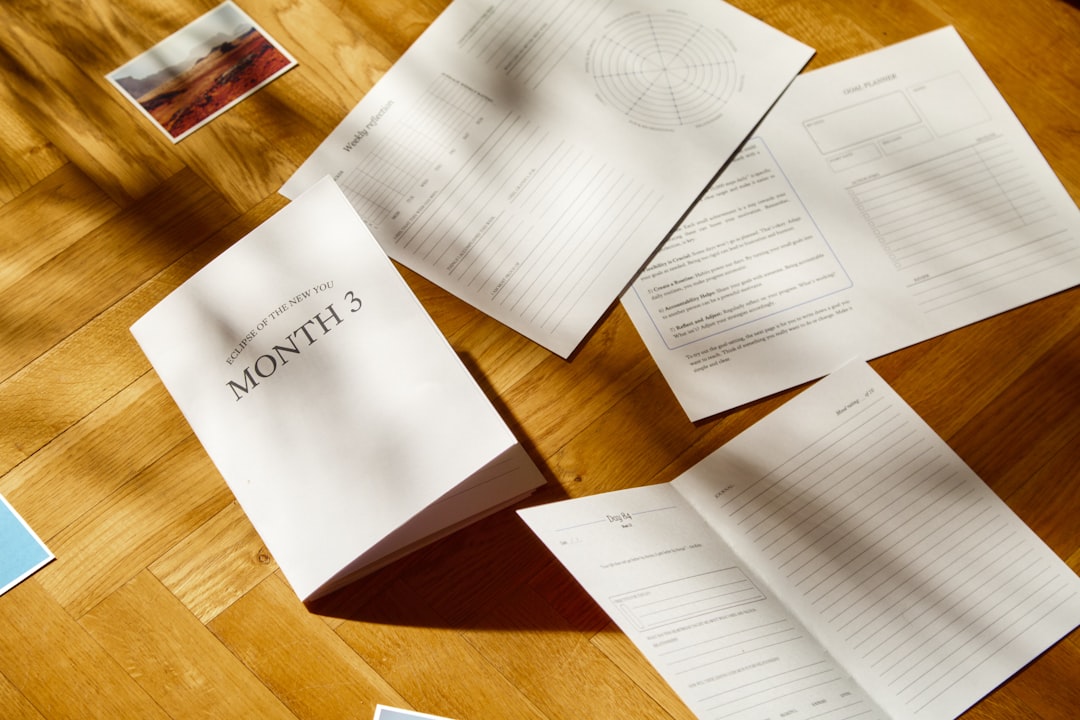 Photo by Joonas Sild on Unsplash
What Is a Title Search?
A title search is a review of public records to verify that you actually own the property you're selling and that the title is free from claims that could limit the buyer's ownership. In Utah, those records are held at each county recorder's office — Salt Lake, Utah, Davis, Weber, Washington, Cache, and all other counties maintain their own systems.
The search looks backward through the chain of title to confirm every transfer of ownership was properly recorded, every mortgage or deed of trust was released when paid off, and no court judgments or tax liens are attached to the property.
In a FSBO sale, the buyer's title insurance company typically runs this search as part of the closing process. If you're using a Utah title company like RH Title, the search happens after the Purchase Contract (REPC) is signed and before the closing date.
What the Search Uncovers
Title searches in Utah commonly surface:
- Unreleased mortgages. If you refinanced and the old lender didn't properly record the release of the deed of trust, it still shows up as a lien. This happens more often than you'd expect, particularly with older loans.
- Mechanic's liens. Contractors who worked on your property and weren't paid can record a lien against it. Under Utah Code § 38-1a, these liens are valid and must be paid or bonded before a sale can close.
- Tax liens. Unpaid property taxes (administered by your county treasurer) and IRS federal tax liens both attach to real property and appear in the search.
- HOA liens. Utah homeowner associations can record liens for unpaid dues or assessments. Check this proactively if you're behind on HOA payments — it will surface at closing.
- Judgment liens. If a creditor sued you and won a judgment, they may have recorded it against your property. In Utah, judgment liens attach to all real property you own in the county where they're recorded.
- Easements and encumbrances. Recorded easements (utility access, shared driveways, access easements) don't prevent a sale, but they must be disclosed to the buyer. Undisclosed easements can lead to post-closing disputes.
- Ownership gaps. If a previous transfer in the chain wasn't properly recorded — a common issue with inherited properties — the title company may require additional documentation before insuring.
Who Runs the Search in a Utah FSBO Transaction
You don't run the title search yourself. In Utah, the title company or escrow company handling your closing performs the search as part of their standard closing services. The buyer's lender also typically requires a lender's title insurance policy, which means the search is happening regardless.
If you're selling for cash — meaning no lender involved — the buyer may still require a title search before committing to close. Any buyer paying hundreds of thousands of dollars for Utah real estate should be ordering title insurance even on a cash purchase. If they're not, that's a red flag worth raising.
For sellers, the practical takeaway is this: don't wait for closing to find out your title has issues. You can order a preliminary title report from a title company before you even list your home. This gives you weeks to resolve problems rather than days.
What Happens When Problems Surface
If the title search reveals a lien or cloud on title during the due diligence period of your Utah REPC, you'll typically have a short window to resolve it before the buyer can exercise their right to cancel. Here's how common issues resolve:
- Unreleased mortgage: Your lender (or their successor) provides a recorded payoff and release. Can take 2–4 weeks — start immediately.
- Mechanic's lien: Pay the contractor or negotiate a release. If disputed, you can file a lien release bond through a Utah surety company.
- Tax lien: Pay in full at closing from your proceeds. The title company will handle the payoff as part of settlement.
- Judgment lien: Negotiate directly with the creditor or pay at closing. Some judgment creditors will settle for less than the full amount to release the lien.
- Ownership gap: Often requires a quiet title action in Utah district court, which can take months. This is why catching it early matters.
If issues arise that you can't resolve before your REPC deadlines, talk to a title attorney immediately. The Utah FSBO title issues guide covers the most common problems and what they typically cost to fix.
What FSBO Sellers Can Do Before Listing
The smartest move is a pre-listing title review. Contact a Utah title company before you accept any offers and ask for a preliminary commitment or title report on your property. Most title companies in Utah will run this at no charge if you commit to using them for the closing.
You should also:
- Pull your mortgage statement and confirm the current lender's name matches the deed of trust recorded at your county recorder
- Check your county's tax records to verify property taxes are current (look up your county treasurer's website)
- Review any HOA communications for unpaid dues or pending special assessments
- If you inherited the property, confirm that probate was formally closed and a deed was recorded in your name
Taking these steps before you sign a contract puts you in control of the timeline instead of scrambling during the closing period.
Ready to get started? Tyler offers a free 15-minute consultation — schedule yours at utahfsbohelp.com/contact.
Questions about your situation?
Book a free 15-minute call with a licensed Utah real estate attorney.
Book a Free ConsultationOr call/text: 801-725-3482