When you sell your Utah home FSBO, you're responsible for making sure the property meets state safety requirements — and that includes smoke detectors and carbon monoxide alarms. This isn't optional, and it isn't something the title company will catch for you. If your home closes without the required equipment in place, you could face liability after the fact. Here's what utah fsbo smoke detector carbon monoxide requirements actually mean for sellers.
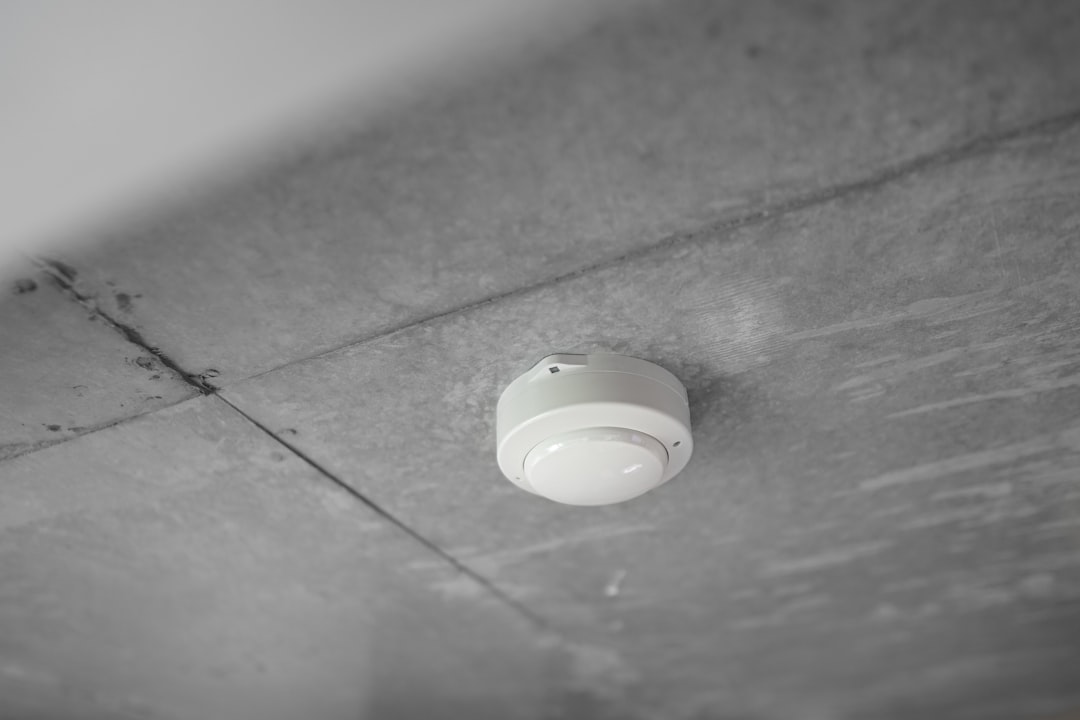 Photo by Yosuke Ota on Unsplash
What Utah Law Actually Requires
Utah Code § 15A-5-106 (adopted through the State Construction Code) and local fire codes require working smoke alarms in residential dwellings. For most Utah sellers, the key requirements are:
- Smoke alarms must be installed on every level of the home, including basements
- Smoke alarms are required inside every sleeping room (bedroom) and outside each sleeping area (hallway near bedrooms)
- Carbon monoxide alarms are required in any home with an attached garage or a fuel-burning appliance — which covers most homes in Utah heated by gas furnaces
Utah adopted the International Residential Code (IRC), which mandates CO alarms within 10 feet of each sleeping room in homes with gas appliances, oil furnaces, wood stoves, or attached garages. This applies whether you're in Salt Lake County, Utah County, Davis County, or Washington County — the state baseline is consistent, though some local jurisdictions like Salt Lake City have adopted stricter requirements.
Bottom line: If your home has a gas furnace, gas water heater, or attached garage — which describes the majority of homes along the Wasatch Front — you need carbon monoxide detectors. Note that your water heater condition is also a disclosure item; see our Utah FSBO plumbing disclosure guide for water heater-specific requirements. This is not negotiable.
When Do These Requirements Apply to FSBO Sellers?
These requirements apply at closing. Before the deed transfers, Utah buyers and lenders will expect working safety equipment to be in place. Here's where it becomes your problem as a FSBO seller:
- Most Utah REPC purchase agreements include language about the property meeting all applicable codes at the time of closing
- Buyers doing a home inspection will flag missing or non-functioning smoke/CO detectors — and rightly so
- FHA and VA loans have specific property condition requirements that include working smoke detectors
If a buyer's lender requires an inspection or appraisal (which is standard for financed transactions), a missing smoke detector or CO alarm can kill the deal or delay closing until it's resolved. Fixing it is cheap — typically $20–$50 per detector — but you don't want to learn about this issue during the appraisal.
See our Utah FSBO disclosure checklist for the full list of what you're required to tell buyers before closing.
What You Should Do Before Listing
Don't wait for a buyer to flag this. Before you list your home FSBO, walk through and verify:
Smoke Detectors:
- One on each level (basement counts)
- One in each bedroom
- One in the hallway outside each bedroom cluster
- All units are functional (test each one)
- Units less than 10 years old (check manufacturing date on back)
- Hardwired units have working battery backups
Carbon Monoxide Detectors:
- Required if you have any fuel-burning appliances: gas furnace, gas water heater, gas range, wood stove, fireplace, or attached garage
- Installed within 10 feet of each sleeping room
- All units functional and within manufacturer's service life (typically 5–7 years)
A simple checklist walk-through before listing takes 15 minutes and costs nothing. Failing to have these in place can cost you a buyer.
Do You Need to Disclose Existing Detectors or Their Age?
Utah's Seller Disclosure form (the RESD) asks about the general condition of the property and systems. While it doesn't have a specific line item for smoke/CO detectors, you are expected to disclose any known material defects. If your smoke detectors are old, non-functional, or missing entirely, that's information a buyer would want to know.
The safer play: install compliant equipment before listing, rather than disclosing deficiencies and negotiating around them.
What About Older Utah Homes?
If you're selling a home in an older Salt Lake City neighborhood, in Ogden, or in a rural county like Sanpete or Sevier, the home may have never been required to have CO alarms — or may have outdated ionization-only smoke detectors that don't meet current IRC standards. Regardless of when the home was built, the current sale triggers a fresh look at condition compliance.
Utah does not require sellers to bring their home up to the current version of the building code in every respect — that would be extremely expensive. But smoke and CO alarms are so inexpensive and so directly tied to occupant safety that this is one area where you should simply make sure you're compliant before you list.
What Happens at Closing
At closing through a Utah title company, you'll sign various documents affirming the condition of the property. Some lenders and some title companies will also ask for a specific certification that smoke and CO alarms are installed and working. RH Title, which services FSBO transactions across Utah, can walk you through exactly what certifications your specific transaction will require.
If your buyer is purchasing with cash, there's no lender appraisal and no formal inspection requirement — but a smart buyer (and their attorney) will still walk through to confirm the basics. Cheap peace of mind for everyone.
Ready to get started? Tyler offers a free 15-minute consultation — schedule yours at utahfsbohelp.com/contact.
Questions about your situation?
Book a free 15-minute call with a licensed Utah real estate attorney.
Book a Free ConsultationOr call/text: 801-725-3482