When you're selling your Utah home without a real estate agent, understanding your Utah FSBO plumbing disclosure obligations is non-negotiable. Utah law requires sellers to disclose known material defects — and plumbing problems rank among the most common issues that surface during inspections and, worse, during post-closing disputes. Getting this right protects you legally and keeps deals from falling apart at the finish line.
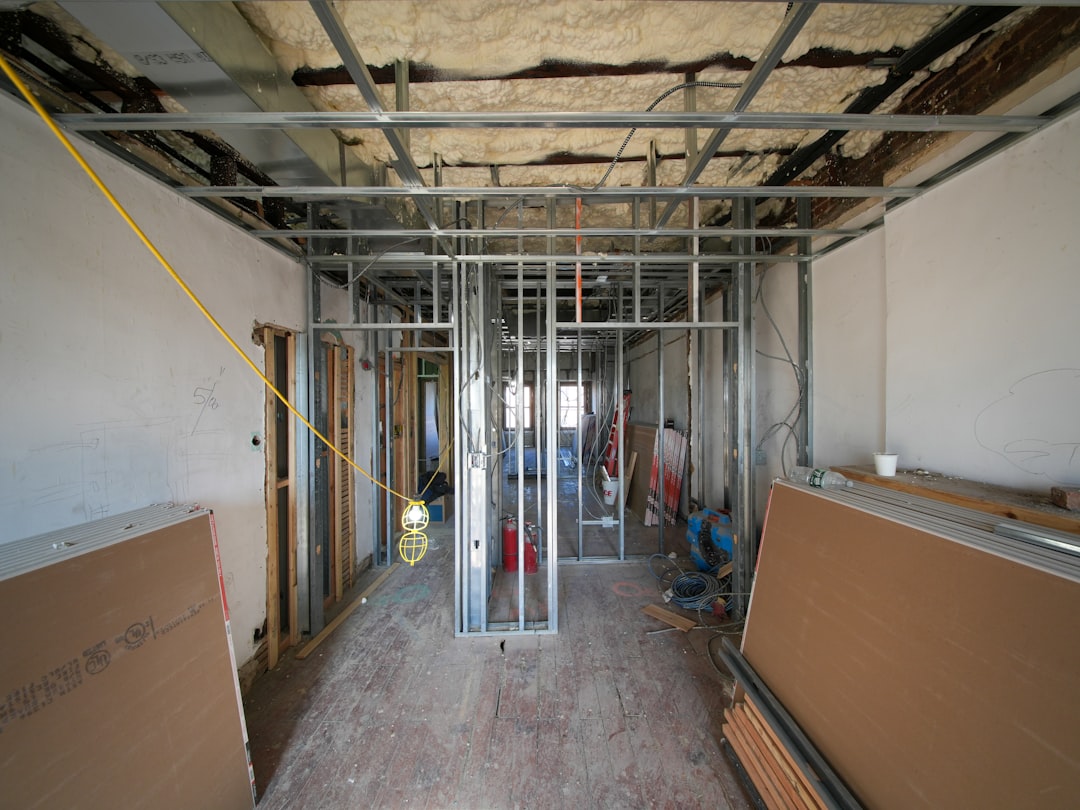 Photo by Olek Buzunov on Unsplash
Why Plumbing Disclosure Matters in Utah FSBO Sales
Utah follows a seller disclosure framework governed by the Utah Seller Disclosure Act (Utah Code § 57-27). This law requires sellers of residential real estate to complete a Seller's Property Condition Disclosure form, which includes direct questions about the plumbing system. Failure to disclose known defects can expose you to:
- Rescission of the purchase agreement
- Damages claims from the buyer after closing
- Fraud claims in cases of intentional concealment
For FSBO sellers in Utah, there's no agent buffer — you're the one signing the disclosure form and representing its accuracy. That makes understanding your obligations even more critical.
What Utah's Seller Disclosure Form Asks About Plumbing
The Utah Seller's Property Condition Disclosure form asks sellers to disclose their knowledge of conditions affecting the property. Plumbing-related items typically include:
- Leaky or dripping faucets or pipes — including slow leaks behind walls or under sinks
- Water heater condition — age, leaks, prior repairs, and whether it meets current code
- Low water pressure issues throughout the home or in specific fixtures
- Clogged or slow-draining lines — including sewer line issues
- Prior flooding or water damage from plumbing failures
- Sewage backups — past or recurring
- Poly-B or galvanized piping — older materials common in Utah homes built before the 1990s
- Sump pump presence and condition
- Irrigation systems tied to the home's plumbing
Each item requires you to mark: No Known Problem, Problem Currently Exists, or Problem Has Existed/Repaired. You cannot skip questions or leave them blank.
The "Known" Standard: What You're Actually Required to Disclose
Utah disclosure law applies to known defects — not defects you're unaware of. You're not required to hire a plumber and do an investigation before selling. But you can't play dumb about issues you clearly know about.
Courts in Utah apply a reasonable seller standard: what would a reasonable person in your position know about the condition of the home? If you've lived there for 10 years and had a plumber out twice for a recurring sewer backup, that's a known defect you must disclose — even if the last repair was three years ago.
Utah-specific note: Many homes along the Wasatch Front (Salt Lake, Utah, Davis, and Weber Counties) were built in the 1960s–1980s with galvanized steel pipes. These pipes corrode from the inside, cause pressure drops, and eventually fail. If your home has galvanized plumbing — whether or not it's caused problems yet — that's material information buyers are entitled to know.
Polybutylene Pipe: A Special Concern in Utah
Polybutylene (Poly-B) pipes were installed widely in Utah homes from the mid-1970s through the mid-1990s. These gray plastic pipes are known to fail without warning, particularly when exposed to chlorinated water (which describes virtually every municipal water system in Utah — Salt Lake City, Provo, Ogden, St. George, etc.).
If your home has Poly-B plumbing:
- You must disclose it — even if no leaks have occurred
- Buyers will often require replacement or a price concession as a condition of closing
- Homeowners insurance in Utah is increasingly difficult to obtain for homes with Poly-B, which means buyer financing may require replacement before closing
Check under sinks, in the utility room, and in the crawl space. Poly-B is gray, flexible plastic pipe — usually labeled "PB2110" or "Quest." If you find it, disclose it.
Sewer Line Condition: Often Overlooked by FSBO Sellers
Utah homes built before 1980 often have clay tile or cast iron sewer lines running from the house to the municipal connection at the street. These lines can crack, collapse, or be infiltrated by tree roots — especially in older Salt Lake City and Ogden neighborhoods with mature trees.
You are not required to get a sewer scope inspection before selling. But if you've had:
- Recurring slow drains throughout the house
- Sewage odors in the yard or basement
- A prior sewer backup
- Been told by a plumber there's a root intrusion issue
...then you must disclose it. Many FSBO sellers get tripped up here because the problem was "repaired" with a one-time rooter service, and they assume that ends the disclosure obligation. It does not. A recurring condition that was temporarily treated is still a known material defect.
If you genuinely don't know the condition of your sewer line and want to sell confidently, consider a pre-listing sewer scope (~$150–$300 in most Utah markets). See our guide on Utah FSBO sewer line inspections for what the scope reveals and how to handle the results. That way you know what you're working with before the buyer's inspector finds it.
Water Heater Disclosures in Utah FSBO Sales
Utah requires water heaters to be properly strapped for earthquake safety — a specific requirement given Utah's seismic risk along the Wasatch Fault. If your water heater:
- Is not double-strapped as required by Utah code
- Is over 10–12 years old (typically noted on the label)
- Has any signs of corrosion, leaking, or pressure relief valve issues
...these are disclosable conditions and/or code compliance issues that can come up during a buyer inspection. Many Utah lenders require code-compliant water heater strapping before funding a loan.
Practical tip: Water heater strapping kits cost about $15 at any hardware store in Utah and take 30 minutes to install. Fix it before listing if it's not already done.
What Happens If You Don't Disclose a Known Plumbing Defect
Post-closing plumbing failures are one of the most common sources of FSBO seller liability in Utah. Here's how it typically plays out:
- Buyer discovers a major plumbing issue after closing (sewer collapse, Poly-B failure, water heater leak)
- Buyer reviews the disclosure form and sees the seller checked "No Known Problem"
- Buyer finds evidence — repair receipts, plumber invoices, insurance claims — showing the seller knew
- Buyer files a lawsuit or demand for damages
Utah courts take fraudulent concealment seriously. In some cases, sellers have been ordered to pay repair costs plus attorney fees. In others, deals have been unwound entirely post-closing.
The cost of disclosing and negotiating honestly is almost always lower than the cost of a post-closing dispute.
How to Handle Plumbing Issues You Know About
If you know about plumbing defects, you have three options:
Option 1: Fix it before listing. Get the repair done, document it with a licensed plumber's invoice, and disclose the prior issue and the repair. This is usually the cleanest outcome.
Option 2: Disclose and price accordingly. Mark the issue on the disclosure form, provide any documentation you have, and price your home to reflect the condition. Many Utah buyers — particularly investors and cash buyers — will purchase homes as-is when the issue is clearly disclosed and priced in.
Option 3: Offer a credit at closing. Get a repair estimate from a licensed Utah plumber, then offer the buyer a credit at closing in lieu of repair. This keeps the transaction moving and shifts the repair responsibility to the buyer.
What you should never do is knowingly check "No Known Problem" on the Utah disclosure form when you know a problem exists. That's where FSBO sellers run into real legal exposure.
The Inspection Period Is Not a Substitute for Disclosure
Some FSBO sellers think: "The buyer's inspector will find everything anyway, so I don't need to worry about what I disclose." This is wrong for two reasons:
- Utah law requires disclosure independent of the inspection. Your obligation is to disclose what you know, regardless of whether an inspector might find it.
- The inspection doesn't excuse concealment. If an inspector finds a plumbing issue that you knew about but didn't disclose, you've already made a misrepresentation on the disclosure form. That's a problem even if the buyer ultimately decides to move forward.
For a deeper look at the full scope of what you're required to disclose, see our Utah FSBO Disclosure Checklist.
Getting the Disclosure Right as a Utah FSBO Seller
Here's a practical checklist for completing the plumbing section of your Utah seller disclosure:
- Walk your home and look at all accessible plumbing — under sinks, in utility rooms, in the crawl space or basement
- Review past repairs — pull any plumber invoices, insurance claims, or warranty records
- Check your water heater — note the age, strapping status, and any prior service
- Know your pipe material — galvanized steel, Poly-B, copper, or PEX? Each tells buyers something important
- Be honest about slow drains — occasional slow draining that you've always chalked up to "just needs a Drano" may be a sign of a larger sewer line issue
- Disclose any prior water damage from plumbing failures, even if fully repaired
If you're uncertain about how to disclose a specific plumbing condition — or whether something rises to the level of a "known defect" — that's a good time to get a 15-minute consult with a Utah real estate attorney before you put the property on the market.
Ready to get started? Tyler offers a free 15-minute consultation — schedule yours at utahfsbohelp.com/contact.
Questions about your situation?
Book a free 15-minute call with a licensed Utah real estate attorney.
Book a Free ConsultationOr call/text: 801-725-3482