Selling a rural property FSBO in Utah is a different transaction than selling a home in a Wasatch Front suburb. When your property sits outside city limits — in Millard County, Duchesne County, Emery County, or the rural stretches of Box Elder, Iron, or Sanpete counties — the buyer pool changes, the disclosure requirements shift, and the deal structure often looks nothing like a standard residential sale. Utah fsbo rural property sale transactions can absolutely be done without a realtor, but they require a clear-eyed approach to what's different.
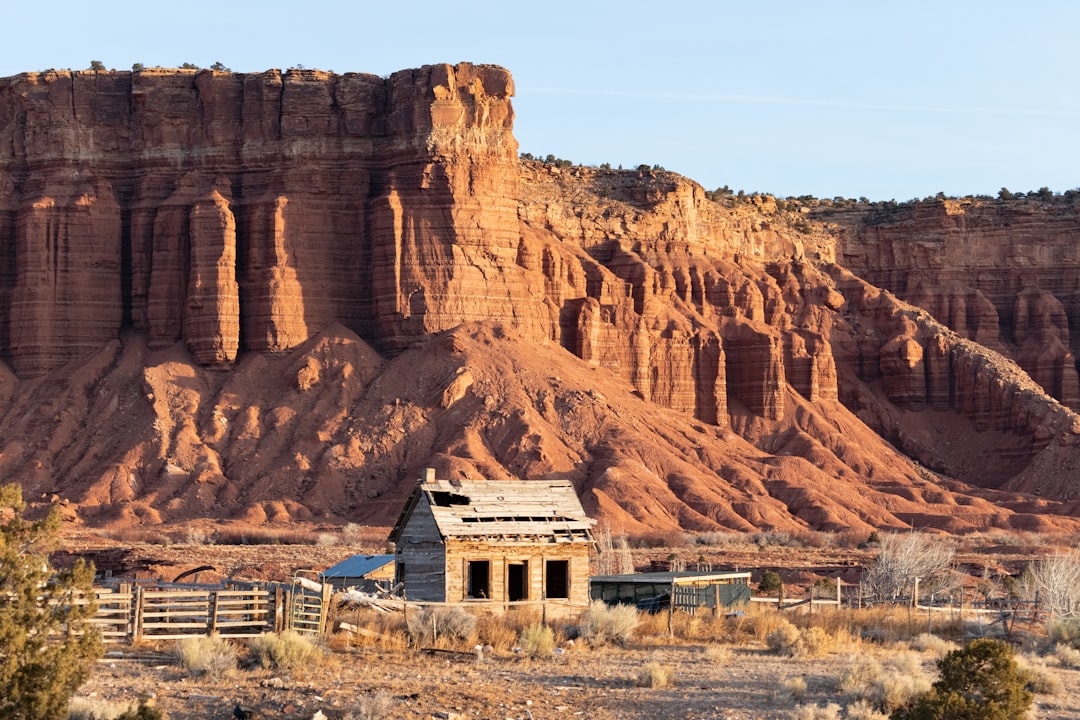 Photo by Nathan Foster on Unsplash
What Makes Rural Utah FSBO Sales Different
Rural properties in Utah attract a narrower buyer pool — and those buyers tend to be highly specific about what they need. They're often looking for agricultural land, owner-occupied acreage, hunting access, or a private retreat. What matters to them is rarely the same as what matters to a buyer in Salt Lake County.
A few key differences you'll encounter:
- Financing options are limited. Conventional lenders will finance a home on acreage, but properties without structures, or those with unusual well/septic configurations, may not qualify for standard loans. Many rural buyers pay cash or use USDA rural development loans, land contracts, or portfolio lenders who write non-standard products. Know your buyer pool before pricing.
- Buyer due diligence is longer. Buyers investigating rural Utah properties often need to verify zoning, agricultural use classifications, road access, culinary water availability, and septic feasibility. Expect a longer due diligence period — 21–30 days is common, not 10–14.
- Access and utilities matter enormously. A rural parcel in San Juan County with a deeded easement and power access can sell for multiples of what an adjacent property without those features will command. Document what exists. Buyers will ask, and they'll walk if the answers aren't clear.
Disclosures You Can't Skip on Rural Utah Properties
Utah FSBO Rural Property Sale: Disclosure Requirements
Utah Code § 57-27 requires sellers to disclose known material defects and conditions. For rural properties, several categories carry extra weight:
Water rights. This is the single most important disclosure on rural Utah property. Water rights are often severed from the land and may not automatically transfer with the deed. Before listing, check the Utah Division of Water Rights database to confirm what's on file for your parcel. You must disclose the nature of any water rights — whether they're adjudicated, what priority date they carry, and what delivery system exists (irrigation company shares, personal well, canal allocation). Buyers in rural Utah are sophisticated on this issue and will verify everything independently.
Mineral rights. In the Uintah Basin, Carbon County, San Juan County, and parts of Sanpete and Sevier counties, mineral rights are frequently severed from surface rights. If oil, gas, or mineral rights have been conveyed away previously, you must disclose it. Many sellers don't realize this has happened until a title search reveals it. Run a preliminary title search early — it's worth the $150–$300 to avoid surprises.
Easements and road access. Does a neighbor, utility company, or irrigation district hold an easement across your property? Is your access road through someone else's land, and is that access secured by a recorded easement — or just a handshake agreement? Rural Utah has a significant number of parcels where access appears obvious on the ground but isn't legally documented. Disclose what you know. If access is uncertain, resolve it before listing.
Zoning and agricultural use. Properties under Greenbelt Act protection (Utah Code § 59-2-5) or enrolled in agricultural use tax programs need buyers who understand what that means. If the buyer doesn't maintain qualifying agricultural use, the greenbelt designation may lapse and a rollback tax could be assessed — sometimes going back five years. Disclose the enrollment status clearly.
Pricing Rural Utah Property Without Comps
This is where most rural FSBO sellers struggle. There may be only one or two comparable sales within ten miles in the past year, and those may not match your property's specific attributes.
Strategies that work:
- Pull assessor data directly. Most Utah county assessors — including Millard, Juab, Garfield, and Box Elder — publish recent transfer data online. It takes some digging, but you can often find relevant sales.
- Talk to a local title company. Title companies in rural Utah markets often know recent transactions better than any online tool. Call the nearest one and describe your property. They frequently provide preliminary comps as a courtesy.
- Factor in unique attributes separately. If your property has a productive well, a hay barn in good condition, working irrigation equipment, or a marketable timber stand, those add real value that generic comps won't capture. List them and price accordingly.
Working With a Title Company for Rural Closings
You still need a licensed Utah title company to close the transaction. Most counties in rural Utah have at least one local title office, or you can work with a Wasatch Front company that handles rural closings remotely. The title company handles recording the deed, issuing title insurance, and distributing sale proceeds — none of which you can legally do on your own.
For more on how the title process works in a seller-direct sale, see our guide to working with a title company as a Utah FSBO seller.
Ready to get started? Tyler offers a free 15-minute consultation — schedule yours at utahfsbohelp.com/contact.
Questions about your situation?
Book a free 15-minute call with a licensed Utah real estate attorney.
Book a Free ConsultationOr call/text: 801-725-3482