If you're selling your Utah home without a realtor, secondary water shares are one of the most commonly mishandled items in the entire transaction. Buyers are often caught off guard — and sellers sometimes don't even realize they own shares that must be disclosed and transferred. Utah FSBO secondary water shares disclosure is a real obligation under Utah law, and skipping it can unwind deals or expose you to legal liability after closing.
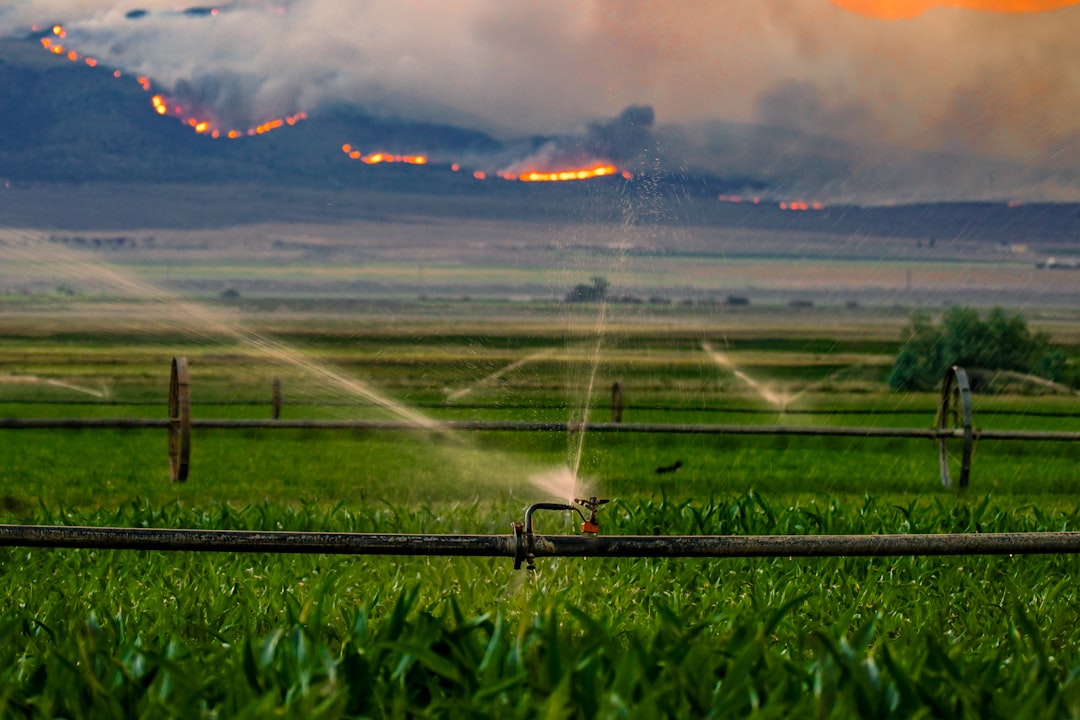 Photo by Mike Newbry on Unsplash
What Are Secondary Water Shares?
Secondary water is pressurized, non-potable irrigation water delivered through a separate underground system. It's distinct from your culinary (drinking) water and is used primarily for landscaping, gardens, and lawns.
In Utah — particularly along the Wasatch Front in Salt Lake, Utah, Davis, Weber, and Cache counties — secondary water systems are operated by local irrigation companies. Properties in these service areas are often assigned shares in the irrigation company that correspond to a right to receive that water.
These shares are a form of real property interest. In many cases, they're separate legal instruments recorded with the county or held by the irrigation company. When you sell your home, those shares need to be properly transferred to the buyer — or clearly excluded from the sale.
Common examples of secondary water companies in Utah:
- Provo Irrigation Company (Utah County)
- Salt Lake City Irrigation (Salt Lake County)
- South Davis Secondary (Davis County)
- Big Cottonwood Irrigation Company (Salt Lake County)
- Weber Basin Water Conservancy District affiliates
Why Secondary Water Matters in a Utah FSBO Disclosure
Under the Utah Residential Disclosure Act (Utah Code § 57-27), sellers are required to disclose material facts about the property — including any water rights, shares, or irrigation company memberships attached to the land.
The Utah Real Estate Purchase Contract (REPC) has a dedicated area for this. Section 5 of the REPC deals with fixtures and inclusions, and secondary water shares are specifically listed as a separate line item that must be addressed in every transaction.
If you fail to disclose that secondary water shares exist — or if you try to remove them from the transaction without buyer agreement — you've created a material misrepresentation. After closing, a buyer who discovers they don't have access to the secondary water system they relied on (and paid for implicitly through the purchase price) may have grounds to sue.
What You Must Disclose as a Utah FSBO Seller
Here's what you need to clearly communicate to any buyer:
1. Whether the property has secondary water service at all Not all Utah properties have secondary water access. Rural areas often don't. But if yours does, you must say so.
2. The number and type of shares If you own shares in an irrigation company, you should know how many you own and what class they are. Some systems assign shares per lot; others may carry additional shares if the previous owner purchased more. Check with your irrigation company if you're unsure.
3. The name of the irrigation company Identify the specific entity — this matters for the transfer process.
4. Annual secondary water fees Most secondary water companies charge annual assessments — anywhere from $150 to $700+ per year depending on the system and the number of shares. Buyers have a right to know what they're taking on.
5. Any restrictions or deficiencies If your secondary water connection has known issues — broken lines, reduced pressure, seasonal shutoffs — these should be disclosed on the Utah Seller Disclosure form.
How Secondary Water Shares Are Transferred in Utah
The transfer process depends on the irrigation company. Generally, there are two mechanisms:
Stock certificate transfer: If shares are represented by stock certificates (common with older water companies), you'll sign over the certificate to the buyer at or before closing. The title company will coordinate this as part of the closing paperwork.
Company-recorded transfer: Some companies require you to notify them directly and submit a transfer form. This must be completed before closing, or at minimum, initiated so that the buyer can complete it immediately after.
Your title company should ask about secondary water shares when they open escrow. If they don't, raise it yourself. The Utah FSBO escrow process involves the title company coordinating several of these ancillary transfers — secondary water shares are one of them.
Note: Secondary water shares are different from secondary water connections. You might have service (a connection) without owning shares, or you might own shares that provide service rights. Make sure you know which situation applies to you before filling out the disclosure form.
What Happens on the REPC for Secondary Water
On the Utah REPC, look for the section titled "Inclusions / Exclusions." Secondary water shares are specifically called out. You have three options:
- Include them in the sale (most common — the shares transfer with the property)
- Exclude them (you keep the shares — this is unusual and requires disclosure and justification)
- Mark as not applicable (if the property has no secondary water)
If you're including the shares, make sure the purchase price reflects them. Secondary water shares can have real monetary value, particularly in high-demand areas or during drought cycles when water availability is constrained.
Secondary Water and Buyer Due Diligence
During the due diligence period, expect a thorough buyer to verify:
- The number of shares you claim to own with the irrigation company directly
- Annual fee obligations
- Whether the system has had service interruptions
- Any capital improvement assessments pending
As a FSBO seller, you can get ahead of this by pulling a current shares statement from your irrigation company before listing. This speeds up due diligence and reduces the chance of a surprise holding up your closing.
Common FSBO Mistakes With Secondary Water
Forgetting to include shares in the REPC. The most common error. The shares exist, you intend to transfer them, but no one explicitly addresses them in writing. This creates ambiguity at closing.
Not checking whether shares are current. If you haven't paid secondary water assessments, you may have delinquent fees that attach to the property. The title company will catch this — but better to know early.
Confusing secondary water with culinary water rights. These are completely different legal animals. For culinary water rights (particularly on rural properties), see our guide on Utah FSBO water rights disclosure.
Assuming secondary water transfers automatically. It doesn't. You need to take active steps, often including paperwork with the irrigation company, before or at closing.
Practical Checklist for Utah FSBO Sellers
Before you list, do the following:
- [ ] Contact your local municipality or check your property tax records to confirm whether you have a secondary water connection
- [ ] Call the irrigation company to verify the number of shares registered to your property
- [ ] Request a statement of current fees and any outstanding assessments
- [ ] Disclose secondary water shares on the Utah Seller Disclosure form
- [ ] Address secondary water shares explicitly in the REPC inclusions/exclusions section
- [ ] Work with your title company to coordinate the stock certificate transfer or company-recorded transfer before closing
Secondary water shares are one of those Utah-specific details that trip up FSBO sellers precisely because they're invisible day-to-day but matter enormously at closing. Taking 30 minutes upfront to confirm your shares and get the disclosure right will save hours of deal-killing scrambles later.
Ready to get started? Tyler offers a free 15-minute consultation — schedule yours at utahfsbohelp.com/contact.
Questions about your situation?
Book a free 15-minute call with a licensed Utah real estate attorney.
Book a Free ConsultationOr call/text: 801-725-3482