Pricing a Utah FSBO home right from day one is the goal. But markets shift, buyer feedback arrives, and sometimes the phone simply stops ringing. When that happens, it's worth first diagnosing whether price is truly the issue — our guide on what to do when your Utah FSBO home isn't selling covers the full checklist. If price is the culprit, a utah fsbo price reduction strategy becomes one of the most important tools you have — and doing it wrong can cost you more than doing nothing at all.
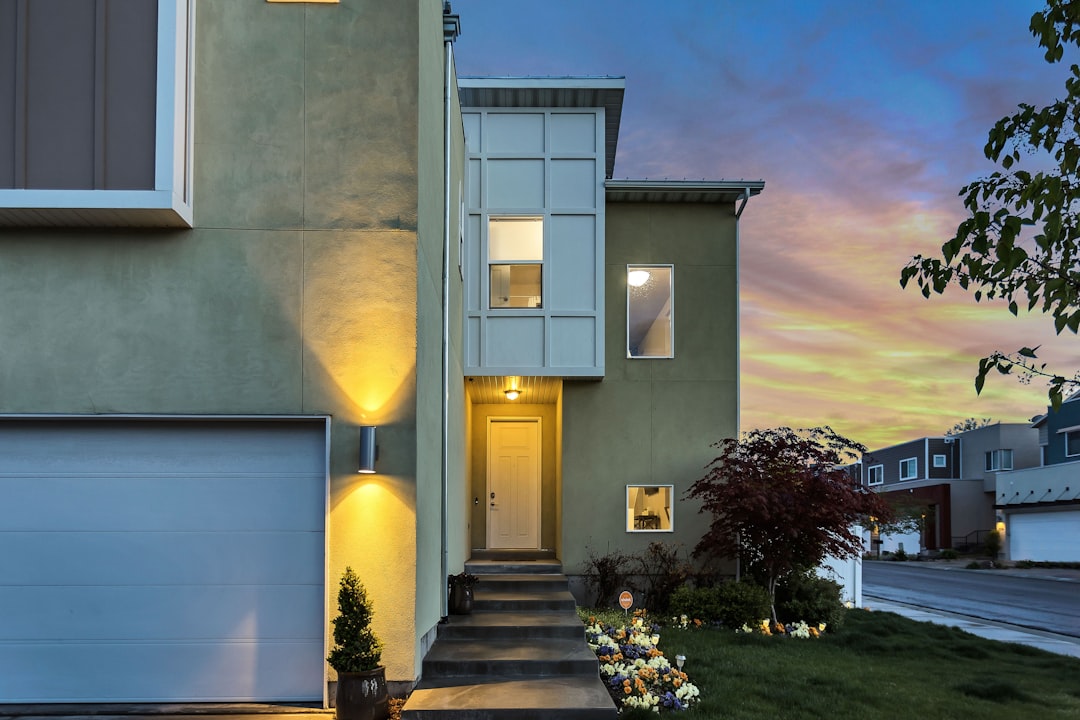 Photo by Brian Babb on Unsplash
How Long Should You Wait Before Reducing?
In Utah's current market, the general rule of thumb is: if you have fewer than 3–5 showings in the first two weeks and zero offers, your price is too high relative to what buyers are seeing.
Different Utah markets have different rhythms:
- Salt Lake County and Utah County: Buyers are active and move fast when pricing is sharp. Less than 5 showings in 14 days is a signal.
- Summit County (Park City area): Second-home inventory moves slower. Give it 3–4 weeks before concluding the price is the issue.
- Washington County (St. George area): Seasonal patterns matter. Winter months are slower regardless of price.
- Rural counties (Sanpete, Sevier, Emery): Buyer pools are smaller. Slower showing volume doesn't automatically mean overpriced.
Track your showing-to-offer ratio. If you're getting showings but no offers, the issue is often condition or value — buyers like the price enough to look, but the home isn't delivering on it. If you're not getting showings at all, the price is filtering buyers out before they even schedule.
How Much Should You Reduce?
This is where many Utah FSBO sellers go wrong. Small reductions — $2,000 or $3,000 on a $400,000 home — rarely move the needle. They don't change which Zillow search results you appear in, and they signal uncertainty to buyers rather than genuine recalibration.
Keep in mind that your price directly affects the appraisal — when buyers get financing, Utah lenders require professional appraisals that determine the property's true value. An overpriced home may fail to appraise, killing the deal.
Effective price reduction guidelines for Utah:
- Minimum meaningful reduction: 1.5–2% of list price
- On a $400,000 home: That's $6,000–$8,000
- On a $600,000 home: $9,000–$12,000
If comparable sales in your area are clustered below a round number — say, everything is selling under $450,000 — and you're listed at $459,000, a meaningful reduction would be to $439,000 or $445,000, not $455,000.
Price points matter on search platforms. Zillow, Realtor.com, and the Utah MLS filter by increments like $425k, $450k, $475k, and $500k. Dropping from $458,000 to $449,000 puts you in front of buyers who capped their search at $450,000. Dropping from $458,000 to $455,000 changes nothing.
When NOT to Reduce
Price reductions cost you credibility with buyers who have been watching your listing. Before reducing, rule out other explanations for low activity:
- Photos: Poor listing photos repel showings faster than a high price. Compare your photos to competing listings honestly.
- Description: A Utah FSBO listing description that leads with features buyers don't care about can kill clicks.
- Time of year: January and February are slower across most Utah markets. March–June typically sees a surge.
- Condition signals: If you're offering the home "as-is" and buyers are expecting turn-key, the issue may be condition framing, not price.
Fix fixable problems before reducing. A $5,000 price reduction that could have been replaced by better photos or a coat of paint is money unnecessarily left on the table.
How to Execute a Price Reduction Effectively
A price reduction, done right, is a relaunch — not just a number change. Here's how to maximize its impact:
1. Reduce by a meaningful amount (see above) and do it cleanly. Don't reduce by $500 every week for three weeks. One decisive reduction signals strength. Death-by-a-thousand-cuts signals desperation.
2. Update everything simultaneously. Change the price on Zillow, your flat-fee MLS listing, Facebook Marketplace, and any other platform where you're listed. Consistency matters.
3. Refresh your photos if possible. If the seasons have changed or you've made improvements, new photos can reset buyer perception. A listing that looks "new" gets a second look.
4. Write a brief note in your listing remarks. Something like: "Price adjusted to reflect current comparable sales — motivated seller, ready to close quickly." This frames the reduction as a rational market response, not distress.
5. Re-engage buyers who showed earlier. If buyers toured your home in the first week and didn't make an offer, the reduction is worth communicating. Reach out directly or ask buyer's agents to pass along the news.
6. Be prepared for lowball offers after a price reduction. When you reduce your price, some buyers may still test you with offers well below your new asking price. The reduction signals you're flexible, but don't accept insults. See How to prevent lowball offers on your Utah FSBO home for guidance on screening serious offers.
The Emotional Side of Lowering Your Price
This is real, and it trips up a lot of Utah FSBO sellers. You've lived in the home. You made improvements. You've done the math on what you need to net. None of that is what a buyer weighs.
A buyer standing in your kitchen is comparing your home to three other homes they've seen this week — and their offer will reflect that comparison. Utah's market in 2025 and into 2026 is more balanced than it was in 2021–2022. Buyers have options, and overpriced inventory sits.
The math is usually clear: carrying the home for two extra months while you resist a $12,000 reduction costs you more in mortgage, utilities, and insurance than just reducing now. Run the numbers honestly before holding firm on a price the market has already rejected.
What to Do If a Reduction Doesn't Help
If you've done a meaningful reduction (2%+), refreshed your presentation, and you still aren't getting traction after two more weeks, re-examine your fundamentals:
- Pull fresh comps. Have sales shifted since you listed? Utah markets can move in 60–90 day windows.
- Review your FSBO marketing strategy. Are you reaching buyers on all the right platforms?
- Talk to buyers who toured but didn't offer. Direct, honest feedback is more valuable than any CMA.
- Consider your timing. If you're in a race against a school year or lease end, that changes your leverage.
A price reduction is a tool, not a defeat. Used strategically, it puts your home back in front of motivated buyers and signals that a transaction is possible.
Ready to get started? Tyler offers a free 15-minute consultation — schedule yours at utahfsbohelp.com/contact.
Questions about your situation?
Book a free 15-minute call with a licensed Utah real estate attorney.
Book a Free ConsultationOr call/text: 801-725-3482