When you're selling a Utah home as a For-Sale-By-Owner (FSBO), understanding what buyers' lenders require can make the difference between a smooth sale and a deal that falls apart at closing. Lenders have strict requirements in Utah, and knowing them upfront helps you prepare and avoid last-minute surprises.
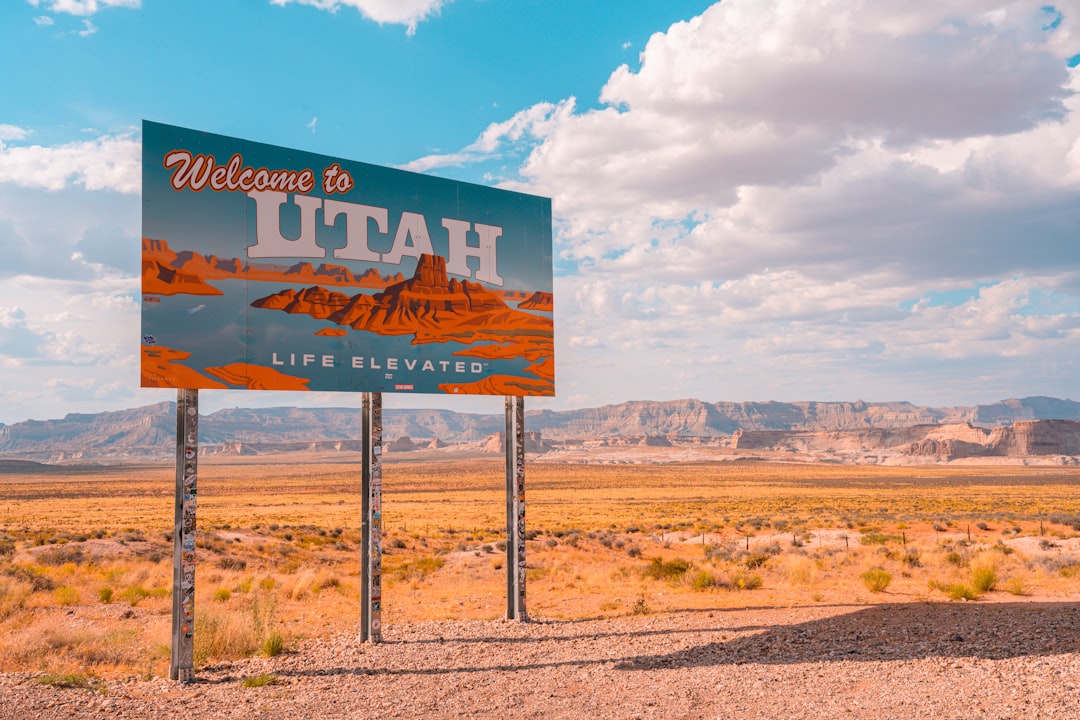 Photo by Arturo Rivera on Unsplash
What Utah Lenders Actually Require
Most Utah buyers use financing, and their lenders—whether it's First Utah Bank, Zions Bank, or a national mortgage company—follow strict guidelines. As a FSBO seller, you're essentially working with the lender's requirements just as much as the buyer's.
The first thing Utah lenders require is a professional appraisal. This isn't optional. The appraisal determines whether the property is worth what the buyer is offering — and the appraiser will independently measure your home. That means your listed square footage needs to match reality; see Utah FSBO square footage disclosure if you're unsure what counts toward finished area. In Utah's competitive markets like Salt Lake City and Utah County, appraisals can sometimes come in lower than expected, creating an appraisal gap. You need to be prepared for this possibility when negotiating with buyers.
Title Search and Title Insurance
Utah lenders always require a title search and title insurance policy. This protects them (and technically the buyer) from claims against the property. You'll work with a Utah title company—there are several reputable ones serving Salt Lake, Davis, Utah, and Weber Counties—to clear any title issues. Before wiring any funds at closing, read up on Utah FSBO wire fraud prevention — it's one of the most overlooked closing risks.
Common title issues in Utah include old liens, property tax liens, or claims from utility easements. As a FSBO seller, you need to identify and resolve these before listing. If a buyer's lender discovers title problems, it can delay closing or kill the deal entirely.
Home Inspection and Appraisal Contingencies
Utah lenders require buyers to get a professional home inspection. While this isn't directly a "lender requirement" in the sense that the lender doesn't perform it, lenders care about significant structural or safety issues — including required smoke and carbon monoxide detectors — because they affect the property's value and insurability.
In Utah, if a home inspection reveals major issues—a failing furnace in a Utah winter, roof leaks, foundation problems—the lender may require repairs before funding the loan. Some Utah buyers negotiate repair credits instead. As a FSBO seller, you need to anticipate this when pricing your home and responding to inspection reports.
Documentation Utah Lenders Demand
Utah lenders require extensive documentation from both the buyer and seller. As the seller, you'll need to provide:
- Proof of ownership (deed, title commitment)
- HOA documentation if the property is in an HOA (common in Utah communities like Draper, Lehi, and American Fork)
- Homeowners insurance information (lenders require proof that insurance will be in place at closing)
- Property tax information (Utah lenders verify property taxes are current)
- Seller affidavit (you swear that there are no other liens, judgments, or undisclosed issues)
If your Utah property is in an HOA-governed community, the lender requires an HOA estoppel letter showing all fees are current and any special assessments documented. This is non-negotiable in Utah.
Utah-Specific Lender Requirements
Utah has a few unique lender concerns. If your property is in certain areas near Ogden, Layton, or parts of Salt Lake City, lenders may require radon testing or mitigation. If you're selling in an agricultural area, lenders often require water rights documentation. Some Utah lenders require septic system inspections for properties not on city sewer.
When selling FSBO in Utah's ski communities (Park City, Alta), lenders sometimes require avalanche risk assessments. In certain Salt Lake and Utah County areas, wildfire risk disclosures are increasingly common lender requirements.
Financing Timeline and Contingencies
Here's what you need to know: Utah lenders typically need 45-60 days to close. That's why the Utah Real Estate Purchase Contract (REPC) specifies a specific financing contingency deadline—usually 14-21 days after signing. If the buyer can't get loan approval or their lender can't satisfy its requirements within that window, they can cancel the contract and get their earnest money back.
As a FSBO seller, you need to be realistic about this timeline. If a buyer's lender is slow, you can't force them. However, you can include a "hard deadline" in your counter-offer to protect yourself from financing falling through too late. Note: if you're in a short sale situation, expect your own lender to require 60-90 days for approval, which adds significant complexity. If speed is critical, consider whether offering alternative buyer financing options like owner financing or lease-options might accelerate your sale.
What This Means for Your FSBO Sale
Understanding lender requirements helps you:
- Price accurately (an overpriced home won't appraise, killing the deal)
- Prepare documents early (have your deed, tax records, and HOA docs ready)
- Fix obvious issues before listing (roof repairs, code violations)
- Be ready for contingencies (inspections, appraisals, title searches)
- Negotiate realistically (know that financing delays aren't personal—they're standard)
When you're selling FSBO in Utah, you're not working alone. You're working within a system of lender requirements, state real estate laws, and local market expectations. The more you understand how Utah lenders operate, the smoother your sale will be.
Ready to get started? Tyler offers a free 15-minute consultation — schedule yours at utahfsbohelp.com/contact.
Questions about your situation?
Book a free 15-minute call with a licensed Utah real estate attorney.
Book a Free ConsultationOr call/text: 801-725-3482