If you're selling your Utah home For Sale By Owner, one of the smartest things you can do before listing is pay for a Utah FSBO pre-listing home inspection. It costs $300–$500, takes a few hours, and can save you thousands — or at least prevent your deal from falling apart mid-contract. Here's how to think through whether it makes sense for your situation.
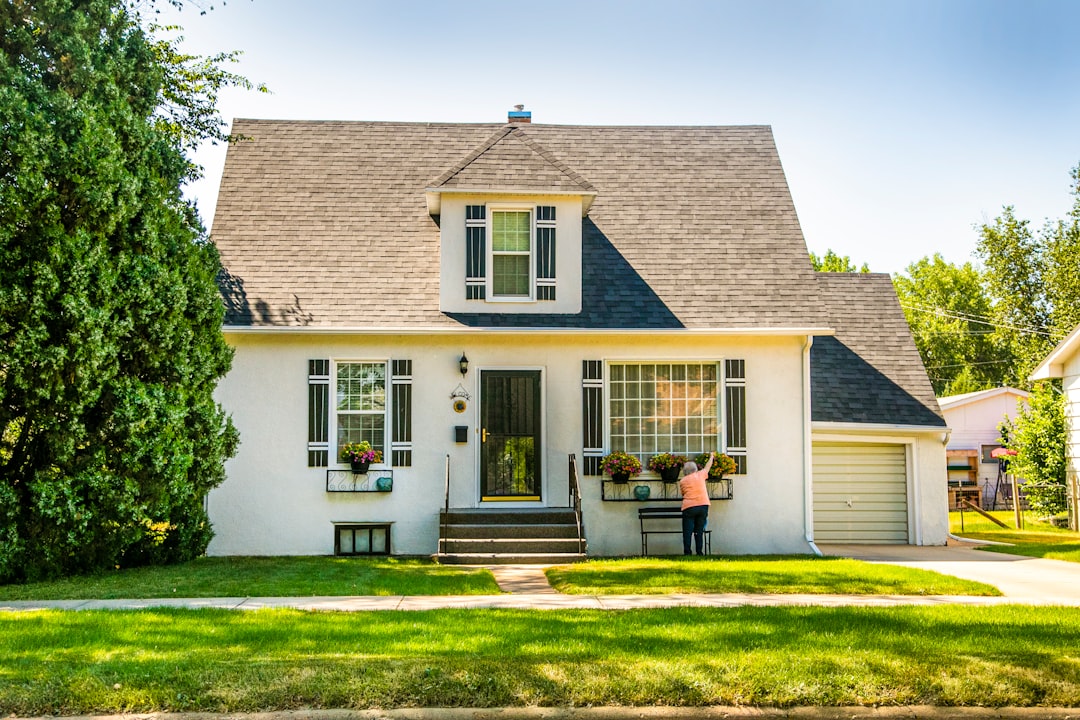 Photo by Ian MacDonald on Unsplash
What Is a Pre-Listing Inspection?
A pre-listing inspection is a standard home inspection — performed by a licensed Utah inspector — done before you list rather than after you're under contract. The buyer doesn't order it; you do. The goal is to find problems before buyers see your home so you can decide how to handle them on your terms.
Utah doesn't require sellers to complete a pre-listing inspection, but it's a tool that many experienced FSBO sellers use to avoid surprises during the due diligence period.
Why Pre-Listing Inspections Help Utah FSBO Sellers Specifically
If you have a Realtor, they can coach you through surprise inspection findings and negotiate on your behalf in real time. FSBO sellers don't have that buffer. When a buyer's inspector shows up with 40 items on a report and the buyer's agent starts sending repair demands, it's easy to make reactive decisions under pressure.
A pre-listing inspection shifts that pressure. You've already seen the report, decided what to fix, what to disclose, and what to price in. When the buyer's inspection comes back with the same findings — and it usually will — you're not caught off guard.
Situations Where a Pre-Listing Inspection Makes Sense
Older Utah homes (1978 or earlier). If your home was built before 1978, you're already dealing with lead paint disclosure requirements. Pre-listing inspections on older homes in areas like Salt Lake City's Sugar House neighborhood, Ogden, or Provo's older east bench frequently turn up deferred maintenance that buyers will flag. Knowing ahead of time is almost always better.
Homes with known issues. If you know the roof is aging, the water heater is 15 years old, or you've had some basement moisture, an inspection gives you a documented basis for how you price those items in. Utah buyers in counties like Utah County and Davis County are savvy — they'll hire thorough inspectors. You don't want to be negotiating after the fact.
High-value properties. If you're selling a home over $500K in the Wasatch Front market — whether that's in Salt Lake County, Summit County, or Washington County (St. George area) — buyers expect everything to check out. A pre-listing inspection signals transparency and often reduces the back-and-forth.
Vacant homes. If the property has been sitting empty — common with inherited Utah homes or investment properties — issues can develop that you haven't noticed. Running the water, checking HVAC, and having a fresh set of eyes is worth the cost.
When You Can Probably Skip It
If your home is newer construction (built 2010 or later), well-maintained, and you're selling in a hot Utah market where buyers are waiving contingencies, the pre-listing inspection may not change much. The buyer's inspector will do their own work regardless, and buyers in competitive markets often accept homes with minor issues.
You should also weigh it carefully if your home needs significant foundation work or major systems replacement — sometimes knowing the full scope before listing raises your disclosure obligations without improving your negotiating position. (See our full guide on Utah FSBO foundation issues disclosure for what must be disclosed.) Talk to an attorney before proceeding in those cases.
What Happens to the Report After?
This is where Utah FSBO sellers sometimes get tripped up. Once you see an inspection report, you have knowledge. Under Utah's seller disclosure laws, material defects you know about must be disclosed on the Seller's Property Condition Disclosure form. You cannot pay for a pre-listing inspection, see a problem, and then choose not to disclose it because it's inconvenient.
The flip side: if the inspection comes back clean, you can disclose that too — "Pre-listing inspection completed [date], report available upon request" is a powerful line in your listing. It builds credibility and often speeds up negotiations because buyers feel like you've already done the work. Pair this with strong listing photos and you'll present one of the most credible FSBO listings buyers will see.
How to Use the Report Strategically
After you review the report, you typically have three options for each finding:
- Fix it before listing. For items under $500 or items that are easy wins — replace the water heater, fix a broken outlet, patch roof flashing — fixing before listing removes negotiating leverage from buyers.
- Price it in. If a repair is significant (new HVAC, foundation work), price your home accordingly and disclose the issue. Informed buyers don't back out — uninformed ones do.
- Leave it as-is with full disclosure. Some Utah sellers, especially on as-is sales, disclose everything and set expectations from day one. This works when you price correctly from the start.
For more on prioritizing which inspection repairs to address, see our guide on deciding which inspection repairs to fix as a Utah FSBO seller.
What Happens During the Lender-Ordered Appraisal Later?
A pre-listing inspection is separate from the appraisal ordered by the buyer's lender after contract signing. However, what you fix or disclose based on your pre-listing inspection can directly affect how the home appraises. For a full breakdown, see how the home appraisal process works in a Utah FSBO sale.
The Bottom Line
A pre-listing inspection is typically worth it for Utah FSBO sellers with older homes, known maintenance issues, or properties that have been vacant. It costs a few hundred dollars and gives you control over the narrative. Without it, you're reacting to the buyer's inspector under contract pressure — never a comfortable spot.
Ready to get started? Tyler offers a free 15-minute consultation — schedule yours at utahfsbohelp.com/contact.
Questions about your situation?
Book a free 15-minute call with a licensed Utah real estate attorney.
Book a Free ConsultationOr call/text: 801-725-3482