When your Utah home inspection comes back, you're facing a critical decision: Which repairs absolutely have to be done, and which can you safely negotiate or skip? For FSBO sellers in Utah, getting this balance right can mean the difference between closing profitably and getting trapped in endless contractor negotiations.
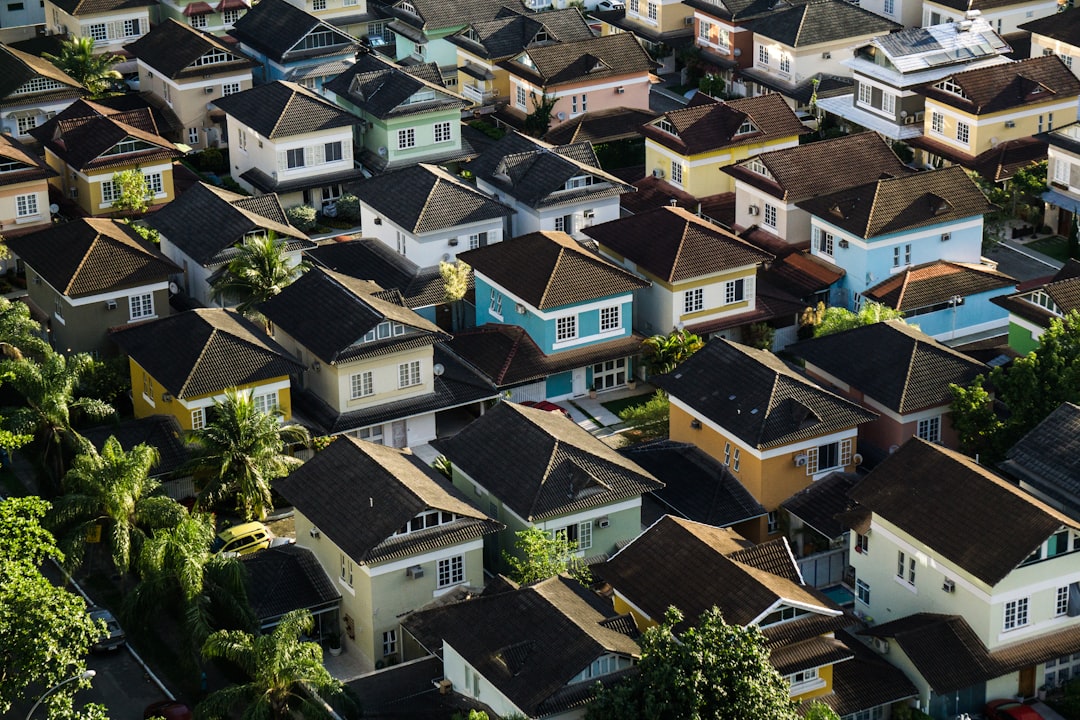 Photo by Breno Assis on Unsplash
Why Utah FSBO Sellers Must Prioritize Repairs Strategically
Unlike Utah sellers working with realtors who have years of experience negotiating inspection repairs, FSBO sellers are making these decisions alone. The Utah Residential Purchase Contract (REPC) gives buyers a 10-day inspection period to request repairs or credits. During that window, you need to know exactly which repairs are mandatory, which are negotiable, and which are actually worth fixing.
The strategy matters because:
- Buyers in Utah use repairs as leverage. A savvy buyer's agent will request expensive repairs knowing the seller will counter with a credit. Understanding market norms helps you anticipate these moves.
- Not all repairs are created equal. A missing outlet in a bedroom is different from a cracked foundation—and Utah lenders have different requirements for each.
- Your timeline affects your decisions. If you're selling FSBO and have time, fixing items now means closing faster. If you're on a tight deadline, offering credits might be smarter.
Tier 1: Non-Negotiable Repairs (Fix These Immediately)
Certain repairs are mandatory in Utah real estate transactions. Your buyer's lender will require these fixed before funding, and most Utah title companies won't allow closing without them.
Safety-Critical Repairs
These aren't optional. Utah building codes and mortgage lending standards require them fixed:
- Functional smoke and carbon monoxide detectors. Utah Code requires working detectors. Buyers' lenders will not close without verification. Cost: $50–$200 to install new ones.
- Working stair railings and handrails. Missing or loose railings are fall hazards. Lenders flag these immediately. Fix before closing or face deal collapse.
- Operational HVAC system. Your buyer's lender will require proof the heating and cooling system functions. In Utah winters, a non-functioning furnace is a dealbreaker. Budget $300–$1,500 for repairs; replacement runs $5,000–$12,000.
- Electrical hazards. Exposed wiring, overloaded circuits, or ungrounded outlets must be corrected. Utah residential electrical code is strict. Hire a licensed electrician—DIY repairs can kill the deal.
Structural and Foundation Issues
Utah homes face unique structural challenges because of soil composition in Weber County, Davis County, and Salt Lake County. Buyers' underwriters are especially cautious:
- Visible cracks in the foundation. Even small cracks can indicate settlement. Utah inspectors flag these, and buyers will demand repair or credit. Get a structural engineer's report if you find cracks—this often costs $300–$500 but protects your credibility.
- Water intrusion or active leaks. Finished basements in Utah are common in the Salt Lake Valley and Ogden areas. Water damage indicates roof or basement waterproofing failure. These are expensive but non-negotiable—lenders will not approve.
- Roof damage or missing shingles. Utah's high elevation and severe winters (especially in Summit County and Iron County) put strain on roofs. Missing shingles or visible damage will block a loan approval. Budget $500–$3,000 for repairs; full replacement: $8,000–$20,000.
Utility System Failures
Utah has strict codes around utilities:
- Non-functional plumbing or water supply. If toilets don't flush, water doesn't run, or there's active leaking, this is deal-killing. Fixes range from $200–$5,000 depending on severity.
- No septic system certification (if applicable). Properties on septic in rural Utah County or Box Elder County must pass a septic inspection. This can be expensive ($200–$1,000+ for pumping and inspection).
Tier 2: Lender-Required Repairs (Usually Fix These)
Your buyer's lender may require these depending on the loan type (FHA, VA, conventional, or USDA—all have different standards in Utah).
- Peeling interior or exterior paint containing lead. Federal law requires disclosure and repair for homes built before 1978. In older homes around Salt Lake City and Provo, this is common. Lead paint remediation costs $1,000–$5,000+.
- Updated electrical panel. Older panels (100 amps or less) installed before 1990 may be flagged by FHA or VA appraisers. Upgrading to 200 amps runs $1,500–$3,000.
- Asbestos-containing materials. Found in old insulation, floor tiles, and roofing in many older Utah homes. Lenders often require abatement. This is expensive—$2,000–$10,000+.
- Mold or moisture issues (except single-surface cosmetic mold). Lenders view active mold as uninsurable risk. Mold remediation starts at $500 for small areas; extensive remediation can exceed $10,000.
- Deck or balcony safety issues. Loose railings, rotted boards, or unsafe construction. Utah building code is strict on deck safety. Repairs: $500–$3,000; replacement: $5,000+.
Tier 3: Negotiable or Skippable Repairs (Evaluate Carefully)
These repairs are real issues but don't always block a deal. Decide based on your market position and timeline.
- Missing or inoperative door hardware. Loose handles, broken locks, or missing hinges. Cost: $50–$300 per door. Decision rule: Offer credits; don't fix these yourself unless you're overstocked with cash.
- Minor plumbing leaks. A dripping faucet or slow leak under a sink is annoying but not loan-blocking. Cost: $75–$300. Tactical decision: If you're negotiating hot, offer a $150 credit instead of fixing. Buyers often prefer credit.
- Cosmetic damage to walls, flooring, or trim. Scuffs, small dents, or worn carpet. These don't affect home function. Cost to fix: Highly variable. Best approach: Do not fix. Offer credit if buyer requests it (typically $100–$500).
- Inoperative garage door opener. Works sometimes, doesn't reliably. Cost: $200–$400 repair; $800+ for new opener. Decision: Offer $300 credit; buyer can decide whether to fix.
- Minor grading or drainage issues. Water sitting in low spots after rain but not entering the home. Cost to fix: $500–$2,000. Decision rule: Offer $300–$500 credit instead.
- Outdated electrical outlets or light switches. No GFCI outlets in kitchen or bathroom. Cost to upgrade: $50–$200 per outlet. Decision: Offer credit; most buyers value cash credits over repairs you do.
Utah-Specific Inspection Priorities
When reviewing your Utah home inspection, pay special attention to these regional issues:
Salt Lake Valley Homes:
- Soil subsidence and foundation settling. The Salt Lake Valley has notoriously responsive clay soils. Cracking foundations are common. Have a structural engineer evaluate before dismissing cracks as cosmetic.
- Snowload considerations. Roofs must handle Utah snow. Inspectors scrutinize roof framing and composition in homes above 4,000 feet elevation. Repairs are often mandatory.
Ogden/Weber County Homes:
- Radon gas. Weber Valley has known radon zones. EPA recommends testing. If radon levels exceed 4 pCi/L, active soil depressurization costs $1,200–$2,500.
- Due diligence and inspection deadlines. Utah REPC inspection deadlines are strictly enforced. Miss the deadline to request repairs, and you forfeit the right. Don't delay repairs pending negotiation.
Rural Utah Properties:
- Well and septic systems. Properties in Box Elder County, Rich County, Daggett County, or Piute County may rely on wells and septic. These require certification and regular maintenance. Inspection failures can be expensive.
Mountain Properties (Summit, Wasatch, Rich Counties):
- Roof and HVAC capacity. High snow loads and extreme cold demand robust mechanical systems. Budget higher for replacements in mountain regions.
The Cost-Benefit Decision Framework
For each repair flagged in your Utah home inspection, ask:
- Will the lender require it? Call your buyer's lender or ask the title company. If yes, fix it. If no, proceed to step 2.
- Is it a safety hazard? If yes and the repair costs less than $500, fix it. If repair costs $500+, offer a credit instead.
- How likely is the buyer to walk? If you're competing with other listings in your Utah neighborhood, fixing low-cost items (under $300) keeps a buyer from falling out of love with your home.
- How close are you to closing? If you're already in due diligence and closing in 2 weeks, offering credits is faster than finding contractors. If you have 6 weeks, do repairs yourself.
- What's your negotiating posture? If your offer is strong (all-cash, no contingencies), you can be pickier. If you're one of many offers, fixing Tier 2 items signals professionalism.
Recording and Documentation
When you do make repairs, document everything:
- Get itemized contractor invoices with your address and repair description.
- Take before-and-after photos.
- Keep all receipts.
- Provide warranty documentation to the buyer. If you're considering offering a home warranty as part of the sale, now is the time to decide — buyers sometimes prefer a warranty over a repair credit for older systems.
Utah title companies often request proof of repair before funding. Having organized documentation prevents last-minute delays at closing.
Common Mistakes Utah FSBO Sellers Make
Refusing to fix anything. This posture alienates buyers and guarantees they'll request expensive items in the inspection period. Show good faith by fixing one or two Tier 2 items.
Over-fixing. Replacing entire systems when repair would work. A leaky faucet doesn't require a full kitchen remodel. FSBO sellers sometimes over-invest trying to make their home perfect.
Ignoring Utah-specific issues. Foundation settling, radon, soil subsidence, and snow loads are Utah problems. National inspection advice doesn't always apply.
Missing REPC deadlines. The Utah REPC gives buyers 10 days to request repairs. You have 3 days to respond. Missing these deadlines forfeits repair negotiation rights. Don't delay.
When to Call a Utah Real Estate Attorney
Some inspection findings warrant professional counsel:
- Structural repairs exceeding $5,000. Get a structural engineer and a real estate attorney's input.
- Environmental issues (radon, asbestos, mold). These have legal implications in Utah. Disclosure requirements depend on severity and your county.
- HOA or code violations. If the inspection notes violations, your Utah HOA or city code enforcement may intervene. An attorney can advise on liability.
- Title issues tied to repairs. Some repairs affect future insurability or resale value. Legal guidance protects you from downstream liability.
Ready to get started? Tyler offers a free 15-minute consultation — schedule yours at utahfsbohelp.com/contact.
Questions about your situation?
Book a free 15-minute call with a licensed Utah real estate attorney.
Book a Free ConsultationOr call/text: 801-725-3482