If your Utah home has a pool or spa, you already know it's a selling point — especially in warmer markets like St. George, the south end of Salt Lake County, or anywhere in Utah County. But a pool or spa also comes with specific disclosure obligations that FSBO sellers cannot afford to overlook. The utah fsbo pool spa disclosure process is more detailed than most sellers expect, and getting it wrong can expose you to significant liability after closing.
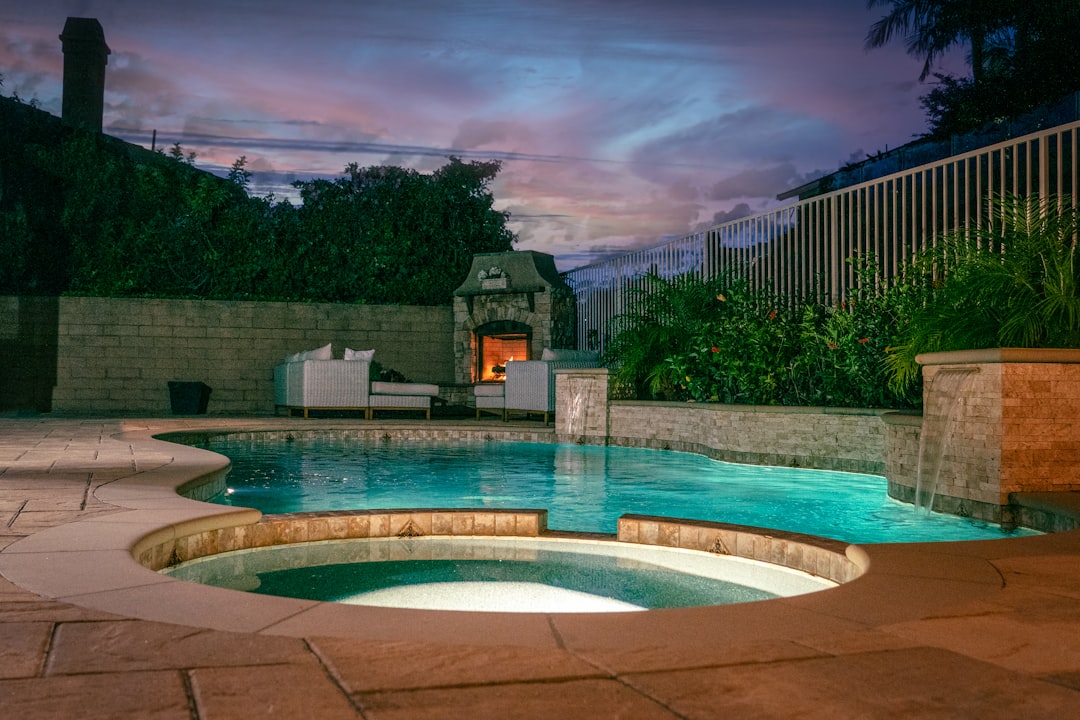 Photo by Marty O'Neill on Unsplash
Why Pool and Spa Disclosures Matter Under Utah Law
Utah's Seller Disclosure form (the Seller's Property Condition Disclosure) requires sellers to disclose all known material defects in the property. A pool or spa is unquestionably a material feature — meaning its condition, history, and any known issues must be accurately reported.
Utah Code § 57-27 governs seller disclosure requirements. The standard is actual knowledge: you disclose what you know. You're not required to hire a specialist or perform testing. But if you know your pool pump has been cycling on and off unpredictably, or that the spa jets stopped working two seasons ago, those are facts you must disclose.
Failing to disclose a known defect in a pool or spa — even if you've lived with it so long it seems normal — can result in a buyer suing you after closing for fraudulent non-disclosure or breach of contract. In Utah, buyers have recourse even if you sold the home "as-is." An as-is clause doesn't protect you from deliberate concealment.
What Specifically Must You Disclose
When completing the Seller's Property Condition Disclosure for a Utah FSBO sale that includes a pool or spa, you need to address:
- Structural integrity: Any cracks in the shell, deck, or surrounding concrete — including past cracks that have been repaired
- Equipment condition: The pump, filter, heater, salt cell (if saltwater), automation system, and spa jets — note the age and any known issues
- Electrical: Pool and spa equipment runs on dedicated circuits. Disclose any GFCI issues, trips, or wiring repairs
- Water loss: Ongoing or past leaks from the shell, plumbing, or equipment pad
- Permits: Whether the pool or spa was permitted by your city or county — and if work was done without permits
- Safety features: Utah law (Utah Code § 26B-7-506, formerly the Utah Swimming Pool Act) requires specific safety barriers for residential pools accessible to children. If your barrier does not meet current code, disclose that
- Drainage: How the pool drains and whether it ties into any shared utility line or easement
- HOA restrictions: If you're in an HOA in Draper, South Jordan, Eagle Mountain, or similar communities, the HOA may have pool rules — especially about fencing, visibility, and maintenance standards
Pools Without Permits Are a Common Problem in Utah
Many Utah pools — particularly those installed in the 1980s and 1990s in Davis County, Salt Lake County, and Utah County — were never properly permitted. This is a problem you must disclose.
A buyer doing due diligence will pull the permit history on your home through the county or city building department. If a pool shows up and there's no permit, that's a red flag that will come up at inspection or during the buyer's due diligence period under the Utah REPC.
Do not try to hide an unpermitted pool. Disclose it, and consider whether to retroactively permit it before listing or price accordingly. Your options as a FSBO seller:
- Retroactive permit: Contact your local building department (Salt Lake County, Utah County, Davis County, etc.) and apply for a retroactive permit. Costs and inspections vary.
- Price it in: Disclose the lack of permit and offer a buyer credit toward the permitting process.
- As-is sale with full disclosure: Sell as-is with complete written disclosure. Make sure the buyer's offer reflects the condition.
The Inspection Period and Pool/Spa Issues
Under the standard Utah REPC, buyers have a due diligence period (typically 14 days, though this is negotiated) during which they can hire inspectors. Pool and spa inspectors are specialists — not every general home inspector is qualified to thoroughly evaluate pool equipment and shell condition.
As a FSBO seller, expect buyers to hire a dedicated pool inspector if they're serious. A standard pool inspection in Utah typically costs $150–$250. Common findings:
- Aging or failing equipment (10–15 year lifespan on pumps and heaters)
- Salt cell replacement needed on saltwater systems
- Minor shell surface wear (plaster vs. pebble finishes have different lifespans)
- Equipment pad grounding issues
You can preempt negotiations by getting a pre-listing pool inspection before you list. If you know what the inspector will find, you're in a far stronger negotiating position. See our guide to pre-listing home inspections for Utah FSBO sellers for more detail on how this works in practice.
Safety Barriers: Utah's Specific Requirements
Utah law requires that any in-ground residential pool accessible to children have a continuous barrier at least 48 inches high around the pool area. Gates must be self-closing and self-latching. This isn't just a suggestion — it's codified under Utah's public health code and can affect your sale if not in compliance.
If your barrier is aging, missing a self-latch, or doesn't fully enclose the pool area, disclose it and either repair it before listing or address it in the purchase agreement. Buyers with children will prioritize this, and their lender may require it to close if using FHA or VA financing.
How Pool Disclosures Affect Your Utah FSBO Sale
Pool issues don't have to kill a deal — but undisclosed pool issues often do. Buyers who discover problems at inspection that weren't disclosed tend to react with distrust, and deals fall apart not because of the repair cost but because of the sense that the seller was hiding something.
Transparent, complete disclosure — combined with realistic pricing — keeps transactions together. Review our Utah FSBO Disclosure Checklist to make sure the pool and spa section is just one part of a complete, accurate seller disclosure package.
Completing the Disclosure Form
On the Utah Seller's Property Condition Disclosure form, there are specific sections for:
- Other structures: Include the pool and spa here, noting age and material
- Heating/cooling: The spa heater falls in this category if it's separate from the home's HVAC
- Electrical: Note any pool-related electrical issues
- Known defects: Any known equipment failures, leaks, or structural issues go here
If you're unsure how to complete the disclosure form accurately for a pool or spa, that's exactly the kind of question a real estate attorney can answer quickly — and it's far cheaper to get guidance upfront than to defend a non-disclosure claim after closing.
Ready to get started? Tyler offers a free 15-minute consultation — schedule yours at utahfsbohelp.com/contact.
Questions about your situation?
Book a free 15-minute call with a licensed Utah real estate attorney.
Book a Free ConsultationOr call/text: 801-725-3482