If you added a bedroom, finished the basement, or installed a new deck without pulling a permit, you've got a disclosure issue. As a Utah FSBO seller, unpermitted work disclosure isn't optional — it's legally required, and skipping it can expose you to serious liability long after the sale closes. Here's what you need to know.
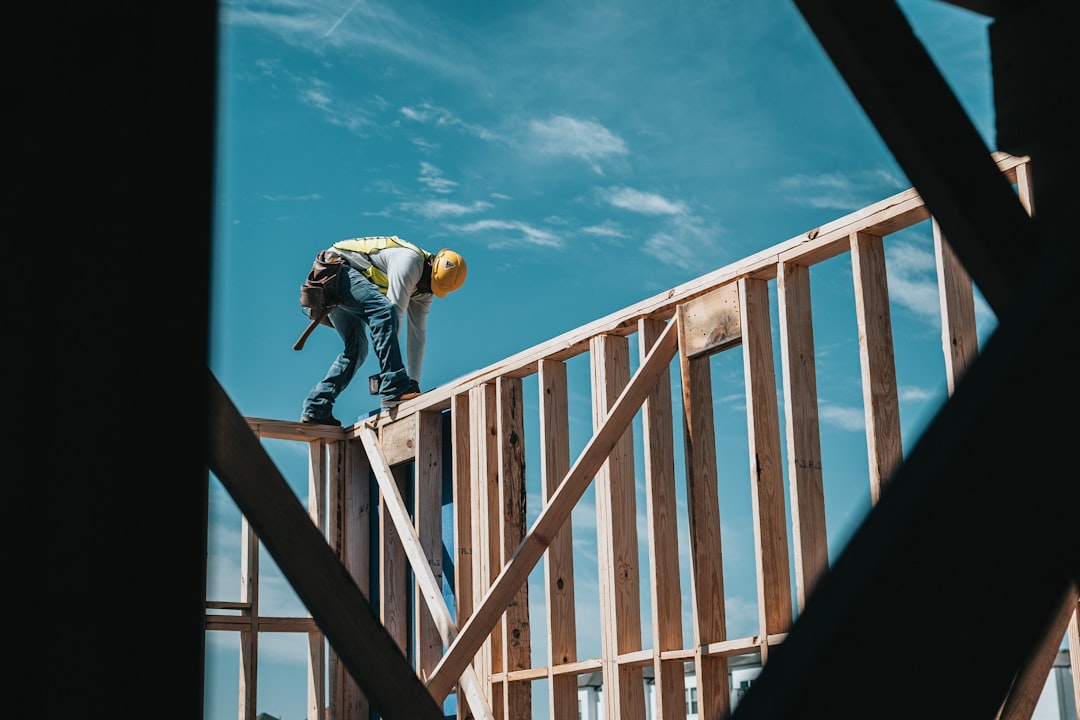 Photo by Josh Olalde on Unsplash
What Counts as Unpermitted Work in Utah?
In Utah, any structural change, addition, or significant modification to a home typically requires a building permit from the local municipality or county. Common unpermitted work in Utah homes includes:
- Finished basements added without a permit (extremely common in Utah's older Salt Lake, Davis, and Utah County homes)
- Decks, pergolas, and patios — especially anything load-bearing or attached to the structure
- Garage conversions to living space
- Bedroom or bathroom additions
- Electrical upgrades or panel replacements done without a licensed electrician pulling permits (see our guide to Utah FSBO electrical disclosure requirements)
- Egress window additions (common in Utah basement bedrooms — required for legal bedrooms)
If you're unsure whether work was permitted, you can check your county's permit history online. Salt Lake County, Davis County, and Utah County all maintain searchable permit databases. If the work doesn't appear in the records and you know it was done, assume it's unpermitted.
Utah Law Requires You to Disclose It
Utah's Property Conditions Disclosure Form — part of the standard Utah REPC process — asks sellers to disclose known material defects, improvements, and modifications. Unpermitted work falls squarely in that category. Under Utah Code § 57-27, sellers who knowingly conceal material defects can face rescission of the sale or be held liable for damages.
"I didn't know it needed a permit" is not a defense if you or a previous owner did the work and a reasonable seller would understand it required one. Courts look at what you knew or should have known.
Beyond the Utah disclosure statute, if you're selling with a title company — which all Utah FSBO sellers should be doing — the title company may flag unpermitted improvements during their title search. It's better to get ahead of this than to have it surface on the closing statement.
See our full Utah FSBO Disclosure Checklist for a complete list of what must be disclosed before your home goes under contract.
How Unpermitted Work Affects Your Sale
Buyers' home inspectors in Utah are trained to spot unpermitted improvements. A sharp inspector will note that a basement bedroom lacks a legal egress window or that electrical work doesn't look professionally done. Once it's in the inspection report, you're negotiating from a weaker position. Additionally, knowing how to estimate your home value before listing helps you price the property correctly even when unpermitted work is a factor.
Here's what typically happens:
- Buyer requests a credit for the cost of retroactively permitting the work
- Buyer asks for the work to be removed if it can't be easily permitted (rare, but possible with major structural issues)
- Buyer's lender flags it — some loan programs (FHA, VA) may require unpermitted work to be resolved before funding
What Are Your Options as a Utah Seller?
You have three practical paths:
Option 1: Retroactively Permit the Work Before Listing
Some Utah counties allow homeowners to pull what's called an "as-built permit" — an inspector comes out, reviews the work, and signs off if it meets current building codes. In Salt Lake City and most Wasatch Front counties, this is a real option. Contact your local building department to ask. It typically costs $200–$600 and takes 2–4 weeks. This is the cleanest solution: disclose that unpermitted work was done and subsequently permitted.
Option 2: Disclose and Price It In
If retroactive permitting isn't feasible (the work doesn't meet current code, for example), your best option is to disclose it clearly on the Utah Property Conditions Disclosure Form and price the home accordingly. Buyers factor unpermitted work into their offers. A disclosed, priced-in issue is far less risky than one discovered after closing.
Option 3: List As-Is With Disclosure
Utah allows as-is sales, but as-is does NOT mean you can skip disclosures. You must still disclose known unpermitted work. What "as-is" means is that you're not agreeing to make any repairs — but buyers still have due diligence rights and can walk away. Be transparent in your listing description about the status.
What Happens If You Don't Disclose It?
Concealing unpermitted work in a Utah home sale creates real legal exposure. A buyer who discovers it after closing — through an assessor's audit, unpermitted additions flagged during a refinance, or a neighbor complaint — can file a lawsuit for:
- Rescission (unwinding the sale)
- Actual damages (cost to retroactively permit or remove the work)
- Attorney's fees if the court finds the concealment was intentional
Utah courts do not treat this lightly. If you signed the Property Conditions Disclosure Form and left the unpermitted work section blank knowing it applied to your home, that's the kind of omission that winds up in litigation.
Practical Tips for Utah Sellers
- Check your county's permit history before listing. Don't discover unpermitted work when the buyer's inspector does.
- Talk to your local building department early. Retroactive permits exist and are often cheaper than losing a deal.
- Be specific on the disclosure form. Don't write "basement improvement." Write "finished basement living space added approx. 2012 without permit — permit status unknown."
- Work with a title company and consider attorney review. An attorney can advise on disclosure language that's accurate and protective.
- Don't forget other required disclosures. Utah's Wildfire Risk Disclosure is a separate requirement for high-risk properties that's easy to miss.
Ready to get started? Tyler offers a free 15-minute consultation — schedule yours at utahfsbohelp.com/contact.
Questions about your situation?
Book a free 15-minute call with a licensed Utah real estate attorney.
Book a Free ConsultationOr call/text: 801-725-3482