When you sell your Utah home without a realtor, you're responsible for every disclosure — including any known issues with the electrical system. Utah FSBO electrical disclosure requirements don't require you to hire an electrician before listing, but they do require you to tell buyers what you know. Getting this wrong can expose you to post-closing liability, even if you've already cashed the check.
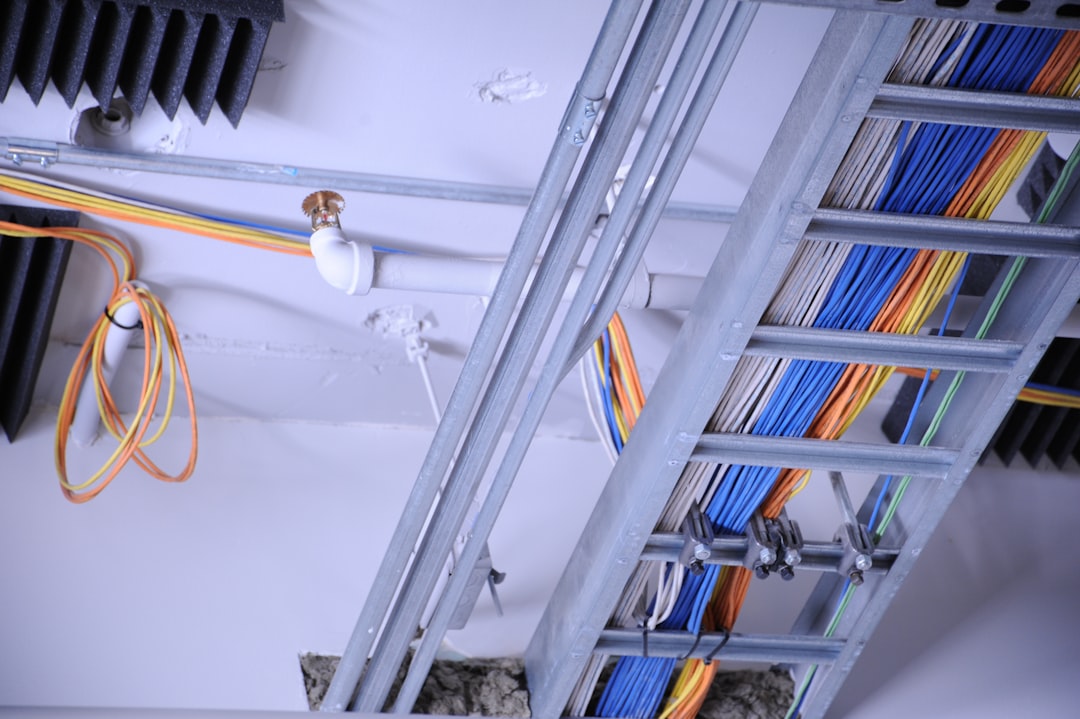 Photo by Wonderlane on Unsplash
What Utah Law Requires on Electrical Disclosures
Utah sellers are governed by the Utah Seller Disclosure Act, codified under Utah Code § 57-27. This law requires sellers to disclose all known material defects that would affect a reasonable buyer's decision to purchase or the price they'd pay. Electrical systems are explicitly covered.
You are not required to investigate or inspect every wire in the home. But if you know about a problem — a circuit breaker that constantly trips, aluminum wiring from the 1970s, outlets that don't work, an unpermitted panel upgrade, or knob-and-tube wiring in an older property — you must disclose it.
The disclosure obligation applies regardless of the buyer's financing type. Whether they're using a conventional loan, FHA, VA, or paying cash, you owe them accurate information about material defects you're aware of.
What counts as "known" under Utah law:
- Defects you've personally observed
- Problems previously identified by a contractor or inspector
- Issues documented in prior home inspection reports
- Problems you've repaired — you still have to disclose that the issue existed
- Permits pulled or denied related to electrical work
If you received a home inspection report from a prior sale that fell through, that report's findings are now part of your knowledge base. You can't ignore documented defects just because the deal didn't close.
Common Electrical Issues Utah FSBO Sellers Must Disclose
Electrical problems vary widely in severity. Some are safety hazards; others are simply older systems that buyers and their lenders will want to evaluate. Here's what commonly comes up in Utah FSBO transactions:
Aluminum Wiring Homes built in Utah during the 1960s and 1970s — common in older neighborhoods in Salt Lake County, Weber County, and Davis County — may have aluminum branch circuit wiring. Aluminum wiring is a known fire hazard when not properly maintained, and many insurance companies charge higher premiums or refuse to cover homes with it. If your home has aluminum wiring, disclose it. Buyers will find out at inspection anyway.
Federal Pacific Electric (FPE) Stab-Lok Panels FPE panels were widely installed through the 1980s and have a documented history of failing to trip during overloads. If your home has one, disclose it. Buyers and their lenders — particularly FHA and VA — may require replacement before closing.
Knob-and-Tube Wiring Found in Utah homes built before 1950, primarily in older Salt Lake City neighborhoods and historic areas of Ogden. Knob-and-tube wiring is ungrounded, cannot support modern electrical loads, and is incompatible with certain insulation types. Insurance can be difficult to obtain. Disclose it.
Unpermitted Electrical Work Utah counties require permits for significant electrical upgrades, panel replacements, and additions. If you or a prior owner upgraded the panel, added circuits, or finished a basement without permits, that's a disclosure item. See our post on unpermitted work disclosures for more detail on how to handle this.
Tripping Breakers and Overloaded Circuits If your kitchen or bathroom circuits regularly trip, or if you have breakers rated above the wire gauge they're protecting, those are known defects. Disclose them.
GFCI and AFCI Gaps Modern Utah code requires ground fault circuit interrupter (GFCI) outlets in kitchens, bathrooms, garages, and exterior outlets, and arc fault circuit interrupter (AFCI) protection for bedrooms. Older homes won't have all of these, which isn't inherently a disclosure issue — but if outlets in wet areas have no GFCI protection and you know it, buyers and their lenders will flag it.
Hardwired Smart Home Devices If your home has hardwired smart devices — smart lighting systems, a wired-in thermostat, doorbell cameras, or whole-home automation — these are typically treated as fixtures and should transfer with the home unless excluded in your REPC. If any of these systems have known defects, disclose them in the electrical section of the Utah Seller Disclosure form. For a full breakdown of smart device disclosure rules, see our guide on Utah FSBO smart home disclosure.
How to Fill Out the Utah Seller Disclosure Form for Electrical
Utah's official Seller Disclosure form has a section for the electrical system. You'll be asked to answer yes or no to questions about known defects, and then provide written explanation for any yes answers.
Be specific. "Breaker in basement panel occasionally trips" is more useful — and more defensible — than a vague "electrical issues." The goal is to give buyers enough information to ask intelligent follow-up questions and decide whether they want an electrician to evaluate the system.
Tips for completing the electrical section:
- Answer based on what you personally know, not what you suspect
- Don't guess — if you don't know whether your panel is an FPE model, look at it before you fill out the form
- Attach any prior inspection reports that mention electrical issues
- If you've had electrical work done, note the contractor, the date, and whether a permit was pulled
Leaving the form blank or answering "unknown" to everything doesn't protect you if you actually know about problems. Courts and arbitrators look at what a seller knew or should have known, and Utah courts have held sellers liable for defects they were aware of but failed to disclose.
What Buyers and Inspectors Will Find
Even if you disclose cleanly, buyers in Utah will almost always order a home inspection, and inspectors will evaluate the electrical system. Here's what they typically look at:
- The main service panel — age, brand, amperage, and condition
- Double-tapped breakers (two wires on one breaker — common issue in older Utah homes)
- Properly grounded outlets (three-prong vs. two-prong throughout the home)
- GFCI protection in wet areas
- Visible wiring in accessible attic and crawl space areas
- Presence of aluminum wiring (tested with a multimeter or visible at the panel)
- Open junction boxes or exposed wiring in garages and basements
In older Salt Lake County or Provo-area homes, inspectors frequently flag the same issues: FPE or Zinsco panels, aluminum wiring, and ungrounded outlets. If you've owned the home for years and know its history, disclosing proactively will reduce the friction when the inspection report comes back.
Does Utah Require an Electrical Inspection Before Closing?
Generally, no — Utah does not require a pre-closing electrical inspection as a condition of every sale. However:
- FHA loans require the property to meet HUD minimum property standards. Exposed wiring, missing outlet covers, and panels with open slots will be flagged by the FHA appraiser and typically require repair before loan approval.
- VA loans similarly require the property to meet VA minimum property requirements. VA appraisers will flag safety hazards including electrical defects.
- Conventional loans (Fannie Mae/Freddie Mac) don't impose the same hard requirements, but appraisers are required to note significant visible defects.
If your buyer is using FHA or VA financing and your home has known electrical issues, address them before the appraisal — or disclose them upfront and build the cost into your pricing or credit negotiations.
What Happens If You Don't Disclose Known Electrical Problems
Failing to disclose a known material defect in Utah can result in:
- Post-closing lawsuits — buyers who discover undisclosed defects can sue for the cost of repair, diminished property value, and sometimes consequential damages
- Rescission — in extreme cases involving fraud or intentional concealment, a buyer can seek to unwind the transaction
- Mediation or arbitration — the Utah REPC includes a dispute resolution clause; most post-closing disputes go through mediation first, then binding arbitration if unresolved
- License board complaints — not applicable to FSBO sellers, but if you worked with any licensed professionals who helped conceal a defect, they face additional exposure
The risk of non-disclosure far outweighs the risk of disclosing and letting buyers decide. Most buyers negotiate — they'll ask for a repair credit, a price reduction, or they'll simply accept the property with knowledge of the issue. That's a manageable outcome. A post-closing lawsuit is not.
FSBO Sellers: Practical Steps Before You List
1. Walk your home and look at the electrical panel. Note the brand, the amperage (typically written on the main breaker — 100A or 200A), and whether it has room for additional circuits. Google the brand if you're unsure whether it's a problematic model.
2. Test your outlets. Use a basic outlet tester (available at any Utah hardware store for under $15) to check for proper grounding, reversed polarity, and GFCI function in wet areas.
3. Pull prior inspection reports. If you bought the home with an inspection, review the electrical section. Disclose anything that was flagged and not repaired.
4. Note any work done since purchase. If you added circuits, upgraded the panel, or had any electrical repairs done, note the contractor and approximate date. If permits were pulled, locate them — or check the county records portal.
5. Complete the Utah Seller Disclosure form accurately. Don't rush through the electrical section. Take your time, answer based on actual knowledge, and attach supporting documentation if you have it.
For a full overview of everything you need to tell buyers, review our Utah FSBO disclosure checklist.
Ready to get started? Tyler offers a free 15-minute consultation — schedule yours at utahfsbohelp.com/contact.
Questions about your situation?
Book a free 15-minute call with a licensed Utah real estate attorney.
Book a Free ConsultationOr call/text: 801-725-3482