Selling an inherited property is rarely straightforward, and doing it FSBO in Utah adds another layer of complexity. Between probate requirements, title issues, disclosure obligations, and multiple heirs who may not agree on everything, the process looks quite different from selling a home you've lived in for years. This guide covers what you need to know before you list — from clearing title to negotiating with buyers — when you're selling inherited property as FSBO in Utah.
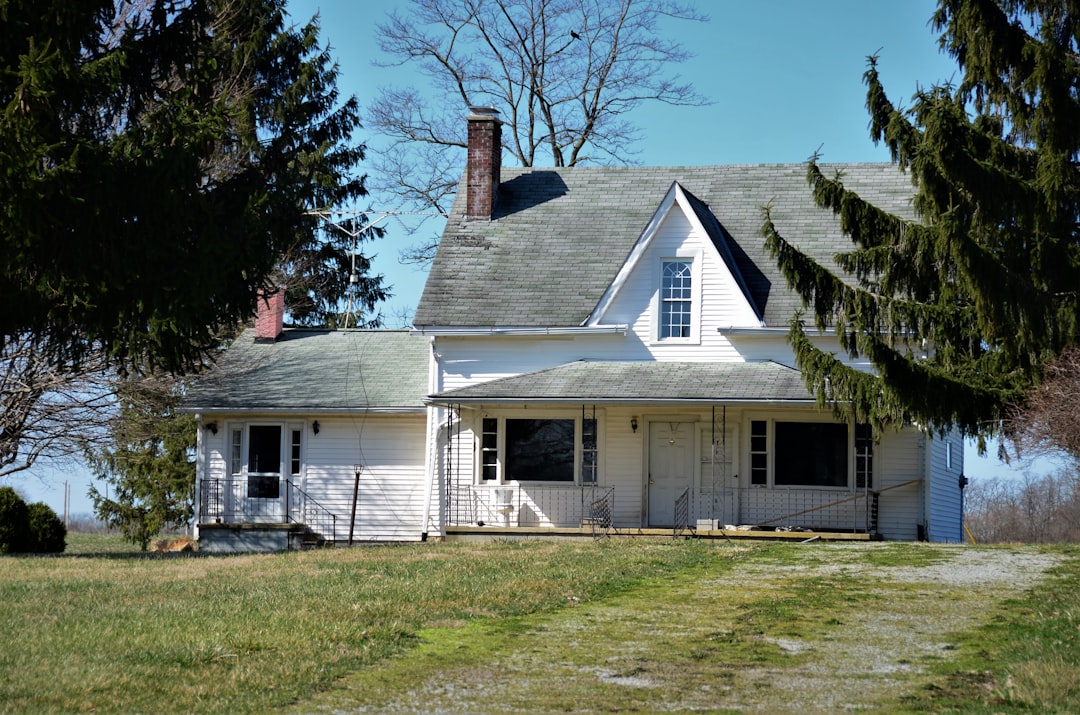 Photo by Roger Starnes Sr on Unsplash
Does the Estate Have to Go Through Probate First?
In most cases, yes. If the deceased person owned the property in their name alone, Utah probate law (Title 75 of the Utah Code) generally requires you to open a probate estate in the appropriate district court before you can legally transfer title to buyers. The county where the property is located determines which court has jurisdiction — so Salt Lake County properties go through the Third District Court, Utah County through the Fourth, and so on.
Utah offers a simplified process for smaller estates: If the total estate value is under $100,000, heirs can use an Affidavit of Heirship to transfer property without full probate. This is faster and cheaper, but it only works when the estate is genuinely small and there are no creditor disputes.
For larger estates, expect a formal probate that takes four to nine months. You can list and even accept offers during probate, but you cannot close until the court issues Letters Testamentary (for estates with a will) or Letters of Administration (for intestate estates). Most experienced buyers and their lenders understand this — just disclose the timeline upfront.
Who Has Legal Authority to Sign the Listing and Purchase Contract?
Only the person the court has appointed as Personal Representative (also called Executor) has legal authority to sign a real estate purchase contract on behalf of the estate. For a detailed walkthrough of what PRs need to know at each step, see our guide on selling a probate property FSBO in Utah. If you're one of three heirs and you haven't been formally appointed, you cannot sign binding documents — even if your siblings have agreed.
If the property passed through a revocable living trust, the process is simpler: the Successor Trustee takes over immediately without probate and has authority to sell. Utah recognizes trust ownership of real property, and a properly drafted trust means you can often close within a normal 30- to 45-day window.
Joint tenancy with right of survivorship is a third scenario. If the deceased held title jointly with a surviving spouse or co-owner, the surviving owner typically just records an Affidavit of Surviving Joint Tenant in the county recorder's office to clear title. No probate needed.
Utah Disclosure Obligations Don't Go Away Just Because You Inherited the Property
A common misconception among heirs is that they don't have to disclose problems they didn't know about. Utah's Seller Disclosure Act (Utah Code § 57-27) still applies. You must disclose known material defects — including things you learned about during an estate cleanout, from neighbors, or in old repair receipts.
The "I inherited it, I don't know anything" defense has limits. If you've been inside the property, if you read emails from the deceased about a leaky roof, or if a contractor gave you a bid on foundation work, you know. Disclose it.
For older homes — especially pre-1978 construction — the federal Lead-Based Paint Disclosure requirement applies regardless of how you came to own the property. Utah has a significant number of homes from that era, particularly in cities like Ogden, Salt Lake City, and Provo.
Check out our full Utah FSBO Disclosure Checklist to ensure you're covering every required disclosure before you list. Similar complexity arises when selling during a divorce, where multiple co-owners must agree and legal authority matters equally.
Handling Multiple Heirs Who Must All Agree
If the property passes to two or more heirs as tenants in common — which is what happens by default when co-heirs inherit equally — every heir must sign the deed at closing. This can cause problems if one heir lives out of state, disagrees on the price, or is unreachable.
Practical steps to avoid a closing delay:
- Get written agreement on price early. Have all heirs sign a simple letter of intent agreeing on the listing price and minimum acceptable offer before you list. This doesn't need to be a legal document — it just needs to document everyone's agreement.
- Set up remote signing. Most Utah title companies are accustomed to handling remote or notarized-by-mail closings for out-of-state signers. RH Title handles these routinely.
- Consider a partition action only as a last resort. If heirs cannot agree and one heir wants to sell while another refuses, Utah courts can order a forced sale through a partition action. This is expensive and adversarial — avoid it if at all possible.
Tax Considerations for Utah Heirs Selling FSBO
The most favorable tax rule for inherited property is the stepped-up cost basis. When you inherit real estate, your cost basis for capital gains purposes is reset to the fair market value on the date of the decedent's death — not what the original owner paid. If your parent bought a Salt Lake City home for $80,000 in 1985 and it's worth $485,000 today, your basis is $485,000, not $80,000.
If you sell close to the date of death at or near fair market value, your capital gain may be minimal. Talk to a CPA before closing — Utah has its own capital gains rules under the Utah Individual Income Tax Act, and depending on deductions and your income level, you may owe state tax even when you owe little or nothing federally.
Title Issues Common in Inherited Properties
Inherited properties often have title clouds that need to be cleared before closing:
- Old liens (unpaid contractor work, unpaid property taxes, HOA dues)
- Medicaid estate recovery claims — Utah DHHS has the right to recover Medicaid costs from an estate in some circumstances
- Missing or defective deeds from prior transfers decades ago
Order a preliminary title report early. Most Utah title companies will run one for free if you're planning to close with them. Identifying issues at the start gives you time to resolve them before a buyer is waiting.
Getting Legal Help for a FSBO Inherited Property Sale
Selling inherited property FSBO in Utah is doable, but the legal pieces — probate authority, disclosures, heir coordination, title issues — are where sellers run into trouble. If the inherited property has tenants, you also have landlord-tenant obligations to navigate — see our guide on how to sell a tenant-occupied home FSBO in Utah. Having an attorney review the transaction doesn't mean you're not selling FSBO. It means you're protecting one of the largest financial events of your life.
Once your title is cleared and you're ready to list, remember that managing your listing effectively is critical—understand how listing expiration works in Utah FSBO sales to avoid losing momentum right when you need it.
Ready to get started? Tyler offers a free 15-minute consultation — schedule yours at utahfsbohelp.com/contact.
Questions about your situation?
Book a free 15-minute call with a licensed Utah real estate attorney.
Book a Free ConsultationOr call/text: 801-725-3482