Selling a probate property FSBO in Utah isn't impossible — but it's more involved than a standard home sale. If you're the personal representative of an estate and you want to skip the Realtor commission, you can sell the home yourself. You'll just need to understand the Utah probate process, what the court requires, and where the deal can fall apart.
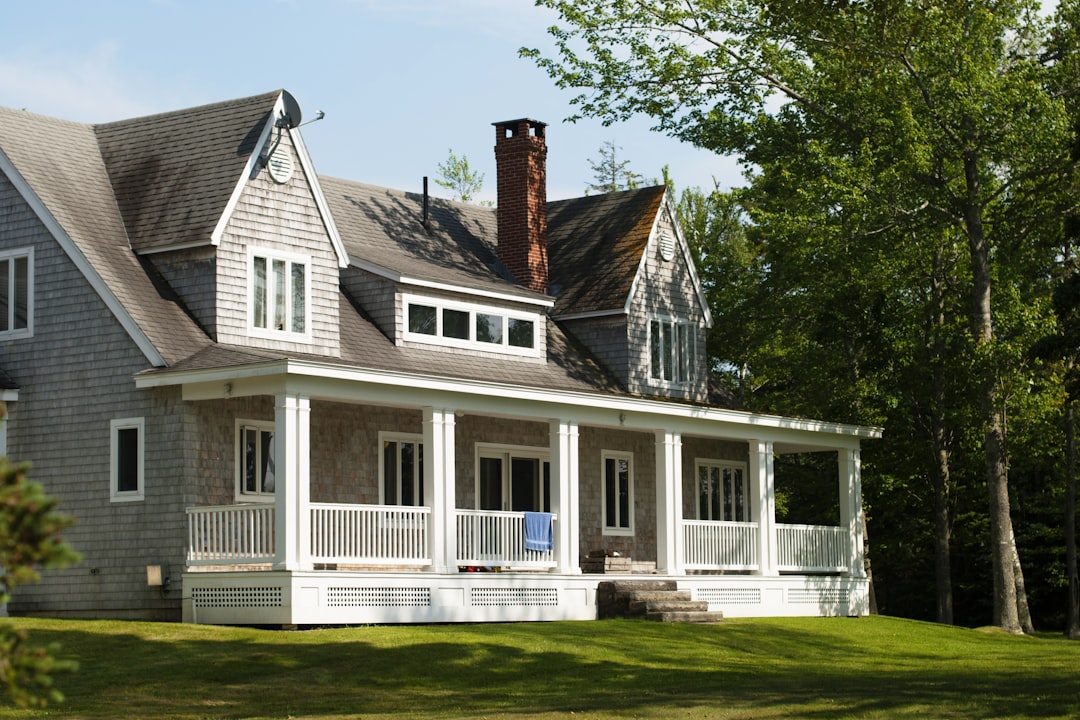 Photo by Aubrey Odom on Unsplash
What Utah Probate Actually Requires Before You Can Sell
Before any sale can happen, the decedent's estate must be opened in the district court of the county where the property sits. If the home is in Salt Lake County, that's the Third District Court. In Utah County, it's the Fourth District. Each county has slightly different administrative timelines, but the legal framework is the same — you're operating under the Utah Uniform Probate Code, codified at Utah Code Title 75.
The court must appoint a personal representative (PR). Once appointed and issued Letters Testamentary (or Letters of Administration if there's no will), the PR has authority to sell real property. In a supervised administration, the court must approve the sale before closing. In an unsupervised administration — which is more common in Utah — the PR generally has authority to sell without advance court approval, but notice requirements still apply.
Bottom line for FSBO sellers: You need the Letters Testamentary in hand before signing any Real Estate Purchase Contract.
The Utah REPC in a Probate Sale
You'll still use the Utah Real Estate Purchase Contract — the same form used in any residential transaction. The seller line will read something like: "[Your Name], Personal Representative of the Estate of [Decedent's Name], Deceased."
A few contract provisions matter more in probate sales:
- Closing timeline: Probate sales sometimes need extra time if court approval is required. Build in at least a 45–60 day close in your contract, not the typical 30 days.
- As-is clause: Most estates sell homes as-is. You can negotiate this, but make sure your seller disclosure obligations are handled properly — as-is doesn't mean you can hide known defects.
- Financing contingency: Probate properties sometimes have title complications (back taxes, liens, missing heirs). Buyers should understand this upfront so their lender isn't surprised.
Disclosure Obligations Don't Disappear in Probate
One of the biggest mistakes PR-sellers make is thinking they're off the hook on disclosures because they didn't live in the home. Utah law requires disclosure of known material defects. If you know the roof leaks or the HVAC is failing, that has to be disclosed.
What PRs often don't know: previous insurance claims can show up in a CLUE report that buyers can request. If there was a water damage claim six years ago, a buyer's lender may require documentation. Get ahead of this by pulling the insurance history early.
If you genuinely have no knowledge of the property's condition — you've never been inside — you can note that on the disclosure form. But don't skip the form entirely.
Title Issues That Come Up in Utah Probate Sales
This is where FSBO probate sellers often hit trouble. Common title issues include:
- Liens from medical providers or creditors — Utah creditors have a claim against the estate. Outstanding liens must be satisfied or released before the title company can issue a clean title policy.
- Multiple heirs with ownership interests — If the estate has beneficiaries who have been deeded a partial interest before probate closes, all of them may need to sign.
- Missing probate filings — Title companies in Utah (and your buyer's lender) will require a certified copy of the Letters Testamentary and proof the estate was properly opened. Gaps in the probate record slow closings.
Work with your title company early. Most Utah title companies have seen probate transactions and know what documents they need. Give them a complete picture upfront so they can flag issues before the buyer's financing is in jeopardy.
Deed Type: The Personal Representative's Deed
In a standard sale, you'd sign a warranty deed. In probate, you sign a Personal Representative's Deed (sometimes called an Executor's Deed). This deed conveys title in the PR's capacity on behalf of the estate — not personally.
The practical difference: a warranty deed carries personal warranties about title. A PR's deed typically limits guarantees to acts during the PR's administration. Buyers and their attorneys should understand this; most do, especially if they're working with a knowledgeable escrow officer.
Utah Code § 75-3-715 authorizes PRs to sell and convey real property. Make sure the deed references the Letters Testamentary case number and the court that issued them.
Timeline Expectations for Utah Probate FSBO Sales
A probate sale in Utah without court approval required (unsupervised) can close in roughly the same time as a conventional transaction — 30–60 days once you have a signed contract. Add 2–4 weeks if the court needs to approve the sale.
The real wildcard is opening probate and getting appointed in the first place. Informal probate in Utah can take 3–6 weeks if filings are clean. Contested situations take much longer and fall outside the scope of a FSBO sale you handle alone.
When to Get Legal Help
Selling a probate home FSBO works best when:
- You've already been appointed PR with Letters in hand
- There's a clear, single-owner title with no lien complications
- You understand the disclosure requirements and can represent the estate honestly
If there are multiple heirs, contested claims, IRS liens, or you're unsure about your authority under the will, get an attorney involved before listing. The cost of fixing a botched probate title far exceeds any commission you'd save.
Ready to get started? Tyler offers a free 15-minute consultation — schedule yours at utahfsbohelp.com/contact.
Questions about your situation?
Book a free 15-minute call with a licensed Utah real estate attorney.
Book a Free ConsultationOr call/text: 801-725-3482