When you sell your Utah home without a Realtor, the disclosure obligations don't disappear — they fall entirely on you. Utah FSBO HVAC disclosure is one of the more common areas where sellers get into trouble, either by underestimating what must be disclosed or by assuming the buyer's home inspection will catch everything. It won't always, and that's not a legal defense.
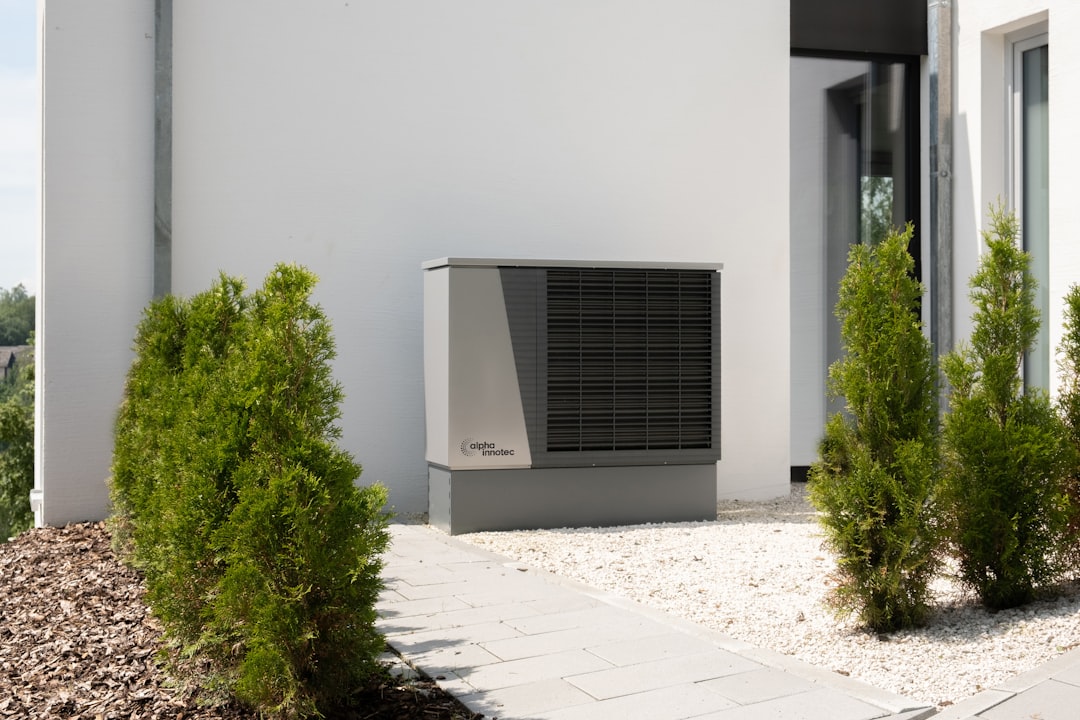 Photo by alpha innotec on Unsplash
Here's what you need to know as a Utah FSBO seller before you hand over a disclosure form.
What Utah Law Requires on HVAC Disclosures
Utah's Seller Disclosure form — the one issued by the Utah Division of Real Estate — requires sellers to disclose known material defects with the property, including the heating and cooling systems. Under Utah Code § 57-27-101 et seq., sellers must disclose conditions that would materially and adversely affect the value of the property or the buyer's decision to purchase it.
For HVAC specifically, this means:
- Known system failures or malfunctions. If your furnace intermittently fails to ignite, that's a known defect. It doesn't matter if it "usually works fine."
- Deferred maintenance with consequences. If you know the evaporator coil is corroded and you've been ignoring it, that needs to be disclosed.
- Age of equipment, if you know it. Utah courts have found that misrepresenting the age of major systems can support a fraud claim even if the defect wasn't immediately apparent.
- Unpermitted HVAC modifications. If a previous owner (or you) added a ductless mini-split or re-ran ductwork without a permit from the applicable Utah county, that's a disclosure issue.
What does not have to be disclosed: conditions you genuinely didn't know about. The standard is known defects, not a warranty of the system's condition. But "I didn't know" is harder to argue if the system is 20+ years old and you never had it serviced.
The Utah Seller Disclosure Form and HVAC Systems
The standard Utah Seller Disclosure form has a dedicated section for heating and cooling systems. You'll answer questions about:
- Whether you're aware of any defects, malfunctions, or damage to the heating system
- Whether you're aware of any defects, malfunctions, or damage to the cooling/AC system
- The type of heating (gas forced air, electric, radiant, etc.)
- Whether there are any auxiliary systems like swamp coolers — common in Utah's dry climate, especially in Salt Lake, Utah, and Weber counties
Smart thermostats and HVAC control systems — If your home has a Nest, Ecobee, or similar hardwired smart thermostat that controls the heating and cooling system, it's generally considered a fixture and should stay with the home unless excluded in writing. If the smart thermostat or its integration with the HVAC has known defects, disclose them. For a broader guide on smart device disclosures, see Utah FSBO smart home disclosure.
Swamp coolers (evaporative coolers) are especially common in lower-elevation parts of Utah. If your home has one, disclose it — and disclose any known issues with the media pads, pump, or water lines. Buyers from out of state may not know how they work, and any post-closing dispute about a failed cooler can become your problem fast if you stayed silent.
What Happens If You Don't Disclose an HVAC Defect
In Utah, a buyer who discovers an undisclosed defect after closing can pursue claims for:
- Breach of contract (if the REPC includes representations about system condition)
- Fraudulent or negligent misrepresentation (if you affirmatively stated the system was in good condition)
- Violation of the Utah Residential Property Disclosure Act (if you materially failed to disclose)
These claims can result in the buyer seeking repair costs, diminution in property value, or in serious cases, contract rescission. Utah courts have enforced these remedies in residential cases — this isn't hypothetical.
This is one reason why, even in FSBO transactions, working with a Utah-licensed title company and getting professional legal review of your disclosure form is worth the cost. For a deeper look at the disclosure process, see the Utah FSBO disclosure checklist. If your home has a pool or spa heater to disclose, our Utah FSBO pool and spa disclosure guide covers those specific requirements.
Practical Steps Before You Fill Out the HVAC Section
1. Get a service call before listing. A licensed HVAC technician in Utah typically charges $80–$150 for a diagnostic inspection. This gives you documentation that you exercised reasonable care and surfaces any issues you didn't know about.
2. Pull the installation records. If you have the original installation permit from Salt Lake County, Utah County, or wherever the property is located, include the system age in the disclosure. Buyers appreciate the transparency and it reduces post-closing disputes.
3. Disclose replacement parts and repairs. If you replaced a compressor, a heat exchanger, or a blower motor in the last five years, note it in the remarks section. Partial repairs that leave a system in degraded condition are material.
4. Be accurate about the type of system. Gas vs. electric, heat pump vs. forced air — buyers' lenders and inspectors will ask. Getting it wrong on the disclosure form, even accidentally, creates problems.
5. Don't represent age as a warranty. If you say "the furnace is about 5 years old" and it turns out to be 12, you've created liability. If you don't know the age, say so.
A Note on Older Utah Homes
In older neighborhoods — Ogden, Murray, West Valley City, and parts of Salt Lake City — homes may still have original furnaces from the 1980s or even older. The general lifespan of a gas furnace is 15–20 years; central AC systems typically last 10–15 years in Utah's climate.
If your HVAC is at or past end-of-life, you have options: disclose the age and condition honestly, offer a credit at closing, or replace the system before listing. What you can't do legally is represent an aging system as functional without disclosing its condition.
Bottom Line
Utah FSBO sellers are held to the same disclosure standards as sellers working with an agent. HVAC systems are a high-liability area because they're expensive, affect habitability, and are easy for buyers to claim were misrepresented. Fill out the disclosure form honestly, document what you know, and when in doubt — disclose.
If you have questions about what needs to go on your seller disclosure form, or you want an attorney to review what you've written before you hand it to a buyer, that's exactly the kind of help we provide at Utah FSBO Help.
Ready to get started? Tyler offers a free 15-minute consultation — schedule yours at utahfsbohelp.com/contact.
Questions about your situation?
Book a free 15-minute call with a licensed Utah real estate attorney.
Book a Free ConsultationOr call/text: 801-725-3482