A home inspection is one of the most critical steps in any real estate transaction—and as a Utah FSBO (for-sale-by-owner) seller, you need to understand exactly what's happening in your home and what you're legally required to disclose afterward.
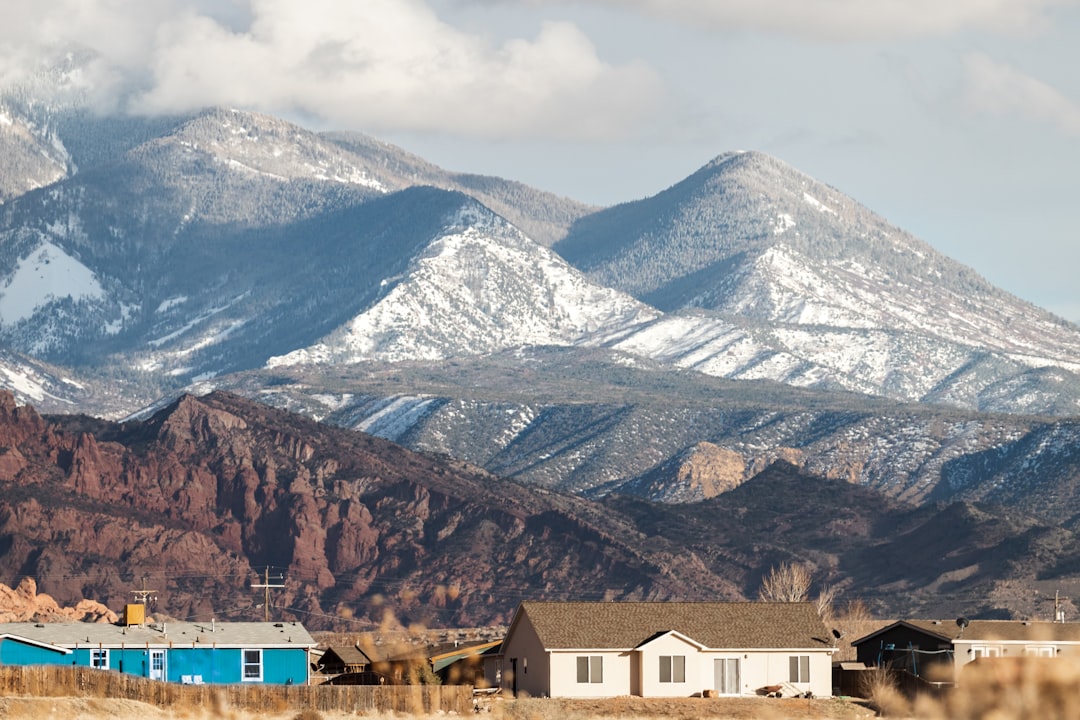 Photo by Chandler Cruttenden on Unsplash
What Is a Utah Home Inspection?
A home inspection is a comprehensive evaluation of your property's structural condition, systems, and components. The buyer's inspector—a licensed professional—will spend 2–4 hours examining your home to identify any issues, defects, or safety concerns.
In Utah, home inspections are common practice in most transactions. While inspections aren't legally required, they're practically inevitable when selling FSBO. Most buyers won't proceed without one, and it's usually a contingency in the Utah REPC (Real Estate Purchase Contract). Home inspections happen during the due diligence period, which is your buyer's window to investigate the property before committing to the purchase.
What Inspectors Check in Utah Homes
Home inspectors examine:
- Foundation and structure: Cracks, settling, water damage
- Roof and exterior: Shingles, gutters, siding, grading
- Plumbing and water: Leaks, water pressure, water heater condition
- Electrical systems: Panel condition, outlets, switches, code compliance
- HVAC: Furnace, air conditioning, thermostat function
- Interior: Walls, ceilings, floors, windows, doors
- Appliances: Stove, refrigerator, dishwasher (if included in sale)
- Basement or crawl space: Moisture, mold, structural issues
- Safety systems: Smoke detectors and carbon monoxide detectors, radon potential
The inspector will document everything in a written report, typically delivered within 24–48 hours after the inspection.
Your Rights During a Home Inspection in Utah
As a Utah FSBO seller, you have clear rights:
- You can be present during the inspection (recommended but not required)
- You cannot obstruct or interfere with the inspection process
- You don't have to make repairs before the inspection—inspectors need to see the home's actual condition
- You can point out recent repairs or improvements that the inspector might not otherwise notice
The Utah REPC typically gives the buyer 7–10 days to complete the inspection and deliver the report to you. For a detailed breakdown of inspection timelines, including buyer deadlines and your response windows, see Utah FSBO Home Inspection Timeline for Buyers.
What Happens After the Inspection: Utah FSBO Obligations
This is where FSBO sellers often get trapped. After the inspection, the buyer's agent or attorney will send you the inspection report, and the buyer will typically request repairs or a price reduction. Knowing how to write a counter offer in Utah FSBO gives you a clear path to respond without giving up more than necessary.
Your options depend on what your Utah REPC says, but generally:
- You can negotiate: Offer to fix some items, offer a credit at closing, or split the cost
- You can refuse repairs: You're not required to fix anything unless you agreed to it upfront
- You can offer a closing cost credit: Instead of repairs, offer money at closing
- The buyer can walk away: If the inspection reveals major issues and you won't negotiate, the buyer can terminate the contract (if inspection is still a contingency)
Note: Some buyers request an inspection waiver to expedite the deal or make their offer more competitive. Understand the risks before accepting one.
Utah Disclosure Laws and Home Inspections
Here's the critical part: Utah law requires you to disclose known defects to buyers. If you know about a problem—whether the inspection found it or you already knew—and you don't disclose it, you can face legal liability even after closing.
This is one of the biggest risks for FSBO sellers. When a buyer's inspector finds problems, you're now on notice. You must disclose:
- Any known structural damage
- Roof leaks or age
- Mold or moisture issues
- Foundation cracks
- Plumbing or electrical problems
- Any previous insurance claims
In Utah, you complete the Seller's Disclosure of Property Condition form. This is legally required and must be delivered to the buyer before or with the offer. If the inspection reveals new issues, you may need to amend your disclosures.
How to Handle Inspection Requests as a FSBO Seller
Schedule promptly: When the buyer requests an inspection, confirm a date and time quickly. Delays raise red flags and complicate timelines.
Prepare your home: You don't need to repair anything, but do (the same prep that works for open house showings applies here):
- Clean reasonably
- Provide access to all areas (attic, basement, crawl space, roof)
- Give the inspector access to electrical panel, water shut-off, and gas meter
- Clear landscaping if it obstructs foundation view
Be present but quiet: Many FSBO sellers choose to stay during the inspection. This is smart—you can listen and clarify issues. But don't argue or defend. Let the inspector work.
Get a copy of the report: Request a copy of the inspection report as soon as it's available. Don't wait for the buyer to send it through their agent. This gives you time to prepare your response.
Respond thoughtfully: When the buyer requests repairs or credits, take 24 hours to think it through. Don't get emotional. A minor repair now is often cheaper than losing the deal or facing post-closing liability.
Red Flags: When Inspections Reveal Major Problems
If the inspection uncovers serious issues—structural damage, foundation problems, mold, major roof leaks, or electrical code violations—be prepared:
- Get your own inspection or expert opinion if you dispute the findings
- Review your Utah REPC carefully to understand what the buyer can actually demand
- Consider consulting an attorney (like the services at utahfsbohelp.com) before responding to big-ticket repair requests
If the buyer discovers a major defect that would have triggered disclosure requirements, and you didn't disclose it voluntarily, you're exposed to legal action. A 15-minute consultation can help you understand your exposure and response options.
Setting the right listing price upfront with realistic expectations helps attract serious buyers and minimize inspection-related negotiations. Learn more about how to negotiate listing price in Utah FSBO sales to position your home favorably.
Common Negotiation Points Post-Inspection
After inspections in Utah FSBO sales, buyers typically ask for:
- Roof repairs or roof certification: Common in Utah's dry climate—inspect for age and condition
- Foundation sealing or caulking: Utah homes on sloped ground sometimes show minor settling
- HVAC service or repair: If the system is old or not functioning perfectly
- Electrical or plumbing fixes: Code issues or non-functional components
- Water heater replacement: If it's near end of life
Most of these are negotiable. You're not required to fix them, but offering a closing cost credit (usually 50–75% of the estimated repair cost) often keeps the deal on track. See the full guide on negotiating repairs after a home inspection in Utah FSBO for detailed strategies.
The Bottom Line for Utah FSBO Sellers
Home inspections are a routine part of selling FSBO in Utah, but they're also a legal trigger point. The inspection report becomes part of your disclosure obligations. If the inspection finds problems and you refuse to disclose them or negotiate, you risk buyer lawsuits or rescission claims.
The smartest approach: Know what inspectors will likely find, be transparent, and be willing to negotiate. Most inspections reveal minor issues that are easily resolved through negotiation. Major defects require strategic thinking—which is exactly what an experienced Utah real estate attorney can provide.
Ready to get started? Tyler offers a free 15-minute consultation — schedule yours at utahfsbohelp.com/contact.
Questions about your situation?
Book a free 15-minute call with a licensed Utah real estate attorney.
Book a Free ConsultationOr call/text: 801-725-3482