Radon is one of those disclosures that Utah FSBO sellers often overlook — not because they're hiding something, but because they genuinely don't know they need to address it. If you're selling your home without a realtor in Utah, here's what you need to understand about the utah fsbo radon disclosure requirement and how to handle it correctly.
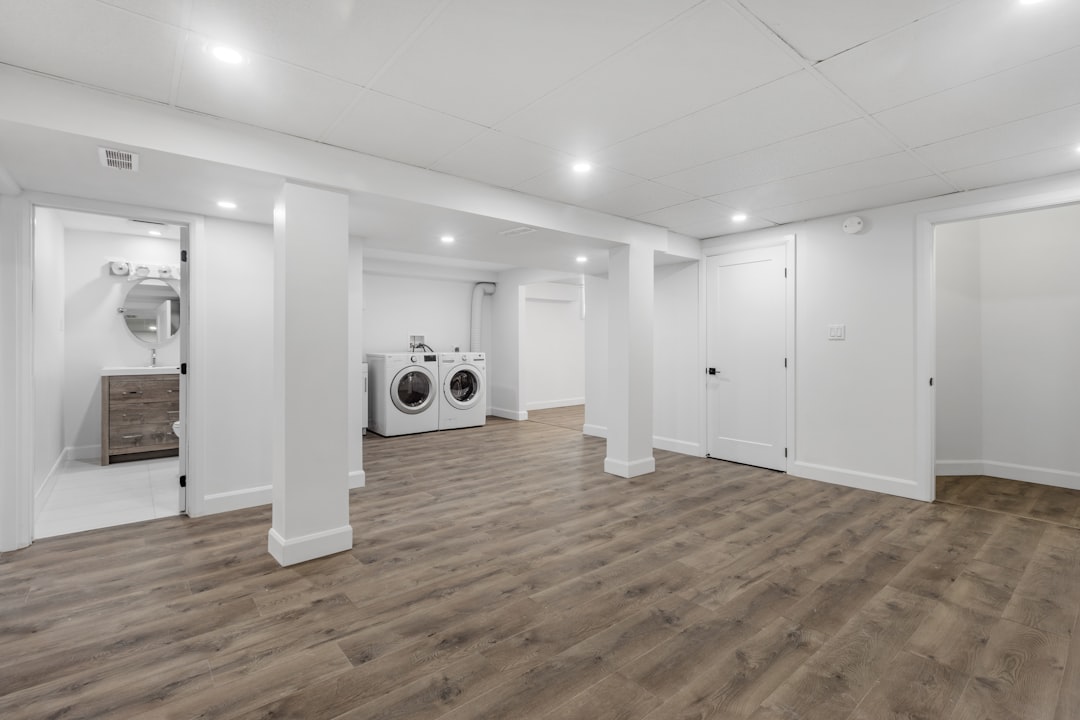 Photo by Point3D Commercial Imaging Ltd. on Unsplash
What Is Radon and Why Does It Matter in Utah?
Radon is a naturally occurring radioactive gas produced by the decay of uranium in soil and rock. It seeps into homes through foundation cracks, floor drains, sump pits, and construction joints. The EPA classifies radon as a Class A human carcinogen and estimates it causes about 21,000 lung cancer deaths per year in the United States.
Utah has elevated radon risk compared to many states. The Utah Department of Environmental Quality (DEQ) has mapped radon potential across the state, and several counties — including Utah County, Salt Lake County, Davis County, Weber County, and parts of Cache County — have zones with elevated radon levels. Homes in these areas are more likely to test above the EPA action level of 4 picocuries per liter (pCi/L).
This isn't a minor footnote. FSBO sellers in Utah who fail to disclose known radon problems can face post-closing disputes, negligent misrepresentation claims, and in serious cases, litigation.
Utah's Legal Disclosure Requirements for Radon
Utah does not have a standalone radon disclosure statute the way some states do. However, Utah Code § 57-27-101 et seq. governs seller disclosure obligations broadly, and the Seller's Property Condition Disclosure (SPCD) — the official Utah disclosure form — specifically asks about radon.
The SPCD includes a section on environmental conditions. Sellers must disclose:
- Whether the property has been tested for radon
- The results of any radon test they are aware of
- Whether any radon mitigation system is present
- Whether the seller has received any report or recommendation related to radon
The key word is known. Utah law requires disclosure of material facts known to the seller — it does not require you to test your home if you've never tested it. But if you've had a test done, even years ago, and the results showed elevated levels, you must disclose that result.
What if a mitigation system was already installed? You still need to disclose it. The presence of a mitigation system is itself a material fact that buyers need to know. Many buyers will actually view a functioning mitigation system as a positive — it tells them the issue was identified and properly addressed.
Should You Test Before Listing?
You are not legally required to test before listing. But here's the practical reality: many buyers — especially those using FHA or VA financing — will request a radon test as part of their due diligence period. Under the Utah REPC, buyers typically have a due diligence window during which they can conduct any inspection they choose, including radon testing.
If a buyer orders a radon test and it comes back above 4.0 pCi/L, you'll be forced to negotiate mid-contract. The buyer may request a price reduction, ask you to install a mitigation system before closing, or — in some cases — walk away.
Testing before you list gives you two advantages:
1. You control the information. If radon is elevated, you can mitigate it before going on market and market the home with a functioning mitigation system. That's a cleaner story than trying to negotiate repairs under the pressure of a live contract.
2. You set buyer expectations accurately. If you test and levels are low (below 4.0 pCi/L), you can disclose that result proactively and remove it as a negotiating point.
Short-term radon test kits (48–96 hours) are available at most Utah hardware stores for $15–$30. Long-term kits (90+ days) give more accurate results but aren't practical for a listing. The Utah DEQ also provides a list of certified radon measurement professionals if you want a professional test.
How to Disclose Radon Correctly on the SPCD
When you fill out the Seller's Property Condition Disclosure, be specific:
- If tested, disclose the test date, the result in pCi/L, and who conducted the test
- If a mitigation system is installed, describe it accurately — note the type (sub-slab depressurization is the most common), approximate installation date, and whether it has been serviced
- If you've never tested and have no reason to believe there's an issue, you can check "unknown" — but do not check "no known issues" if you've never tested
Do not guess. Do not estimate. Disclose what you actually know. If you're unsure how to fill out the SPCD for a complicated situation, review the Utah FSBO disclosure checklist for a step-by-step walkthrough of the entire form.
What Happens If Radon Comes Up During the Buyer's Inspection?
If a buyer orders a radon test during their due diligence period and results come back elevated, you have a few options:
Option 1: Negotiate a price reduction. The buyer asks you to reduce the purchase price by the estimated cost of mitigation. Utah radon mitigation systems typically cost between $800 and $2,000 installed. Some buyers will accept this as a clean resolution.
Option 2: Install a mitigation system before closing. You agree to have a licensed mitigation contractor install a system before closing. This is often the better option because it removes the uncertainty — both parties know the problem is resolved, and the buyer won't be negotiating based on fear of the unknown.
Option 3: Provide a credit at closing. Instead of a price reduction or direct installation, you credit the buyer an agreed-upon amount at closing so they can handle mitigation themselves after they take possession. In Utah, credits at closing are handled through an addendum to the REPC.
Option 4: Do nothing and let the buyer decide. If the buyer wants out entirely because of radon, they may be able to terminate under the inspection contingency in their REPC. Review the contract language carefully — most Utah REPCs give buyers a right to terminate during the due diligence period for any reason. Understanding when earnest money gets returned after contingencies expire is key to knowing whether you'll retain their deposit if they back out.
What you should not do is pretend you didn't know about it after the test results are in. Once a buyer has put a radon result in writing as part of their inspection objection, the disclosure obligation is clear.
Radon Mitigation in Utah: What It Involves
A standard sub-slab depressurization system — the most common mitigation method in Utah — involves:
- A certified contractor drills one or more holes through the concrete slab
- A PVC pipe is inserted and routed through the home to a point above the roofline
- A fan draws radon gas from beneath the slab and vents it outside before it can enter the home
- A monitor or gauge is installed so occupants can verify the system is operating
In Utah, radon mitigation contractors should be certified through the National Radon Proficiency Program (NRPP) or the National Radon Safety Board (NRSB). The Utah DEQ maintains an online directory of certified professionals.
Post-mitigation, levels typically drop by 80–99%. A follow-up test 24–48 hours after installation confirms the system is working.
Does Radon Affect Home Value?
In Utah's current market, a disclosed and mitigated radon problem generally does not significantly reduce home value. Buyers understand that radon is common in Utah, and a properly installed mitigation system is a straightforward fix. Where sellers run into trouble is when they fail to disclose known issues — that's when post-closing disputes arise and liability becomes real.
Transparency is your best protection. If you've tested, disclose it. If you've mitigated, disclose that too. A clear paper trail — test results, mitigation permit, contractor invoice — actually builds buyer confidence rather than undermining it.
Key Takeaways for Utah FSBO Sellers
- Utah's Seller's Property Condition Disclosure requires disclosure of known radon test results and mitigation systems
- You are not legally required to test, but it's often strategically wise to do so before listing
- Elevated levels (above 4.0 pCi/L) are common in Utah County, Salt Lake County, Davis County, and Weber County
- Mitigation typically costs $800–$2,000 and resolves the issue before buyers can use it as negotiating leverage
- Disclose specifically — dates, results, contractor names — not vaguely
- Certified radon contractors are listed through the Utah DEQ
If you're uncertain about how to complete the SPCD accurately, or if a radon result came up during your buyer's inspection and you're not sure how to handle the negotiation under the REPC, that's exactly the kind of issue a brief legal consultation can clarify before it becomes a bigger problem.
Ready to get started? Tyler offers a free 15-minute consultation — schedule yours at utahfsbohelp.com/contact.
Questions about your situation?
Book a free 15-minute call with a licensed Utah real estate attorney.
Book a Free ConsultationOr call/text: 801-725-3482