Selling your home as a Utah County FSBO seller can save you $15,000 to $25,000 or more in realtor commissions depending on your sale price. But the Provo-Orem metro market moves fast, Utah County has specific local considerations, and Utah state law requires specific disclosures and paperwork regardless of whether you use an agent. This guide walks you through every step.
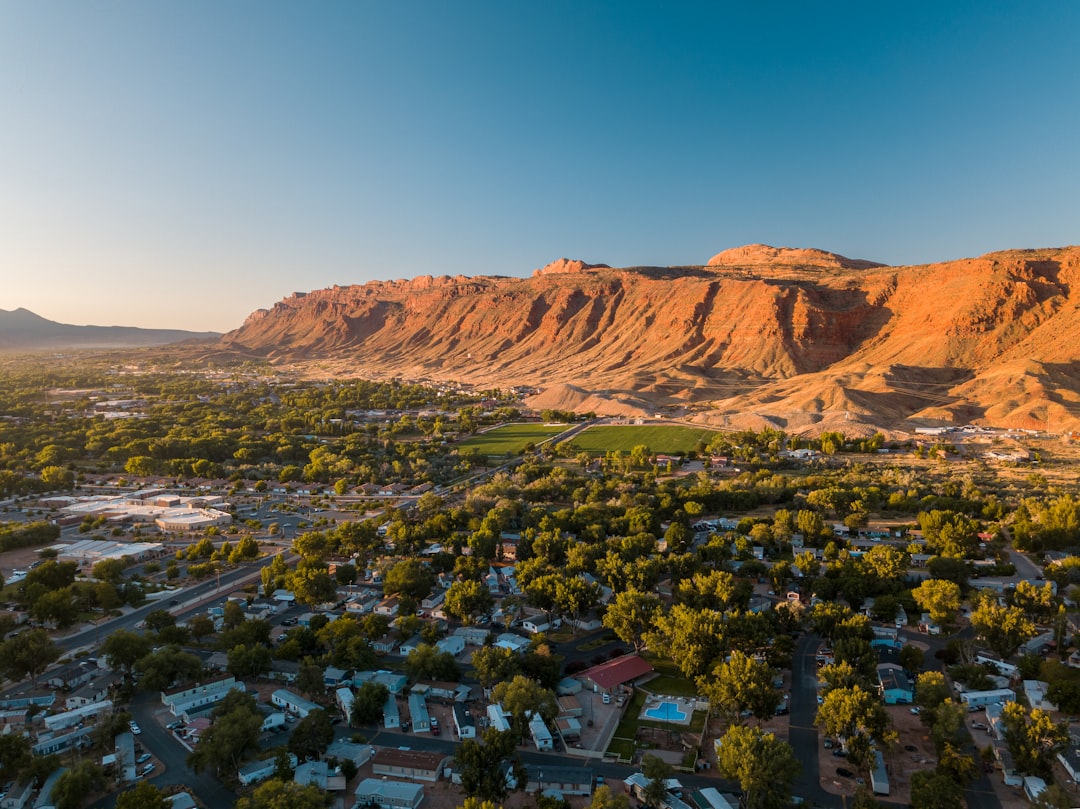 Photo by Runde Imaging on Unsplash
Understanding the Utah County Real Estate Market
Utah County is one of the fastest-growing real estate markets in the western United States. The Provo-Orem metro area has consistently attracted families, students, and tech workers tied to BYU and the Silicon Slopes corridor stretching from Lehi and Saratoga Springs south through American Fork, Pleasant Grove, and Springville.
Median home prices in Utah County vary significantly by city:
- Lehi and Saratoga Springs: $500,000–$650,000 (tech-adjacent, high demand)
- Provo and Orem: $400,000–$530,000 (university-driven demand, high rental competition)
- American Fork and Pleasant Grove: $450,000–$580,000 (family-oriented, stable appreciation)
- Payson and Santaquin: $330,000–$420,000 (more affordable, slower pace)
When you sell FSBO in Utah County, your price needs to account for the local absorption rate — how quickly homes in your specific city and neighborhood are going under contract. In a hot Lehi market, you can often price at or slightly above comparable agent-listed homes if your marketing is strong. In a slower Payson market, competitive pricing matters more than almost anything else.
Utah Legal Requirements for Utah County FSBO Sales
Every Utah home sale — FSBO or otherwise — must comply with Utah state law. The core documents are mandatory regardless of whether you use a realtor.
The Utah REPC (Real Estate Purchase Contract): This is the standard statewide transaction form. In Utah County FSBO sales, buyers will typically present an REPC to you. You can also use your own version for negotiation. Any significant deviation from standard REPC terms creates legal risk — if you're unsure whether a proposed change is enforceable under Utah Code, consult an attorney before signing.
Utah Seller Property Condition Disclosure: Under Utah Code § 57-27-101 et seq., you must provide a completed Seller Disclosure form before or at the time of the first offer. This form requires you to disclose known material defects — foundation issues, water intrusion, roof damage, electrical problems, and more. In Utah County, you'll also want to disclose anything related to the area's specific risk factors, including expansive soils (common throughout the Wasatch Front), wildfire proximity if your home is in foothills communities, and any prior flooding from the rivers or irrigation canals that run through Utah Valley.
HOA Documents: If your Utah County home is in an HOA — and many Lehi, Saratoga Springs, and Eagle Mountain subdivisions are — Utah law requires you to provide HOA governing documents and a current fee statement within specific deadlines set in the REPC. Failure to deliver on time can allow the buyer to cancel. For more on HOA community rules, including whether you must notify neighbors, see our guide on neighbor notification requirements.
Radon Disclosure: Utah has above-average radon levels due to its geology. While disclosure isn't legally mandated in the same way seller defects are, failing to disclose a known radon problem is still considered material misrepresentation. If you've had a radon test done, you must share the results.
Pricing Your Utah County FSBO Home
Accurate pricing is the single most important factor in a successful FSBO sale. Overpriced homes sit on the market, accumulate days-on-market stigma, and often end up selling for less than they would have if priced correctly from the start.
Pull recent comparable sales (comps): Use Zillow, Realtor.com, or the Utah County Assessor's online records to find homes similar to yours that sold in the last 90–120 days. Look for the same city, same bedroom/bath count, similar square footage, and similar lot size. Adjust for condition, upgrades, and location within the city.
Adjust for Utah County's micro-markets: A home in the Orchard Hills area of American Fork commands a different price than a comparable home in East Provo, even with similar specs. School district matters — homes in the Alpine School District (covering American Fork, Lehi, Highland) often command premiums because of that district's reputation.
Factor in your timeline: If you need to sell in 60 days, price at or slightly below the median comparable. If you have time and a unique property, you can test a slightly higher price and adjust after 2–3 weeks if you're not getting showings.
Marketing Your Utah County Home FSBO
Without an agent, you're responsible for getting buyers to see your home.
Get on the Utah MLS: You can list on the Wasatch Front MLS without a full-service agent through a flat-fee MLS listing service. This puts your home in front of every agent in Utah County and gets it distributed to Zillow, Realtor.com, and Redfin. The cost is typically $200–$500 depending on the service tier you choose.
Yard signage: A clean FSBO sign with your phone number is still highly effective in Utah County subdivisions where foot and drive-by traffic is significant. Make sure it's visible from the road and matches your online listing — buyers who see the sign will look you up.
Professional photos: This is non-negotiable. Utah County buyers expect professional listing photos. Most real estate photographers in the Provo-Orem area charge $150–$300 for a full session. The ROI is worth it.
Leverage social media: Utah County has strong, active neighborhood groups on Facebook and Nextdoor, especially in Lehi, Saratoga Springs, Eagle Mountain, and the Provo bench neighborhoods. A direct neighborhood post often generates more qualified leads than you'd expect.
The Utah REPC: What Utah County FSBO Sellers Must Know
When a buyer submits an offer using the Utah REPC, you'll be reviewing a 12-page contract with dozens of deadlines and conditions. The REPC structure is the same statewide, but how you negotiate its terms depends on Utah County market conditions.
Key REPC provisions to understand:
- Earnest Money: Typically 1–2% of the purchase price in Utah County transactions. It's deposited with the title company after acceptance and is refundable to the buyer if they cancel within a contingency period.
- Due Diligence Deadline: Buyers typically have 10–14 days to conduct inspections. In a competitive Utah County market, some buyers waive or compress this period to strengthen their offer. Learn more about how buyers remove contingencies to accelerate the transaction.
- Financing Deadline: Usually 21–28 days for conventional financing, longer for FHA/VA loans. BYU-area markets often see more buyers using FHA or first-time homebuyer programs.
- Settlement Deadline: When you actually close. Utah County closings are handled through licensed title companies — you cannot close without one under Utah law.
For a detailed breakdown of how these deadlines work and what happens if you miss one, see our Utah REPC deadlines explained guide.
Closing a Utah County FSBO Sale: The Title Company Process
In Utah, all real estate closings are handled through title companies — not attorneys, not escrow agents, but licensed Utah title companies. As a Utah County FSBO seller, you'll need to choose a title company early, ideally before you even list your home.
What the title company does:
- Conducts a title search to confirm you have clear ownership and no outstanding liens
- Issues title insurance to protect the buyer (and optionally you) against future title claims
- Prepares the closing documents, including the deed
- Holds the earnest money in escrow
- Calculates closing costs and prorations (including Utah County property tax prorations)
- Disburses funds to you at closing and pays off your existing mortgage if applicable
For a comprehensive walkthrough of how to work with a title company throughout your FSBO transaction, see our guide on how to work with a title company in a Utah FSBO sale.
Typical Utah County closing costs for sellers: Expect to pay approximately 1–2% of the sale price in closing costs. This includes the title company fee, deed preparation, recording fees with the Utah County Recorder's Office, and possibly a transfer tax (Utah does not have a traditional transfer tax, but there are recording fees).
Choosing a title company: RH Title serves Utah County sellers and specializes in FSBO transactions. Unlike some title companies that primarily work with agents, RH Title is set up to work directly with sellers throughout the transaction. You can also use any other Utah County title company.
Specific Considerations for Utah County Communities
Lehi and Saratoga Springs: These are Utah's fastest-growing cities, which means active home sales, multiple offers are still possible on well-priced homes, and buyers often need flexibility on possession dates because they're building new homes concurrently. Watch for HOA documents — many newer Lehi and Saratoga Springs subdivisions have complex CC&Rs that must be delivered on time.
Provo and Orem: BYU proximity drives a rental investor buyer pool alongside traditional owner-occupants. Be clear in your listing if you don't want investors or wholesalers — you can decline any offer for any reason. Provo Bench and the Canyon Road corridor are distinctly different micro-markets within the same city.
Eagle Mountain: Utah's most remote major suburb has grown rapidly but also has higher days-on-market than closer-in Utah County cities. Price conservatively and know your competition.
Mapleton, Spanish Fork, and Springville: These south-county communities have their own character and buyer pools. Spanish Fork and Springville homes near Canyon Road often have water rights and irrigation shares that must be properly disclosed and transferred — see our guide on Utah FSBO water rights disclosure before listing if your property has shares.
Common Utah County FSBO Mistakes to Avoid
Skipping the Seller Disclosure form: Even if the buyer doesn't ask for it initially, you're required to provide it. Discovering an undisclosed defect after closing can result in a lawsuit under Utah Code.
Not understanding the HOA deadline: Utah County has thousands of HOA-governed properties. Deliver the HOA documents late and the buyer can cancel without penalty.
Accepting a buyer who isn't pre-approved: Always require a written pre-approval letter from a licensed Utah lender before accepting an offer. Pre-qualification is not the same as pre-approval and provides much weaker assurance that the deal will close.
Missing the appraisal gap problem: In a declining market or on a creatively priced home, the buyer's lender may appraise your home below your contract price. Know in advance how you'll handle an appraisal gap before you're in the middle of a negotiation under pressure.
Handling earnest money yourself: Never accept earnest money directly. It goes to the title company. Holding buyer earnest money as a private seller creates legal complications if the deal falls through.
Ready to get started? Tyler offers a free 15-minute consultation — schedule yours at utahfsbohelp.com/contact.
Questions about your situation?
Book a free 15-minute call with a licensed Utah real estate attorney.
Book a Free ConsultationOr call/text: 801-725-3482