Do You Need to Notify Neighbors When Selling FSBO in Utah?
When selling your Utah home without a realtor, you might wonder: do I need to tell my neighbors? The answer depends on a few factors—and knowing the rules can save you from legal trouble or strained relationships.
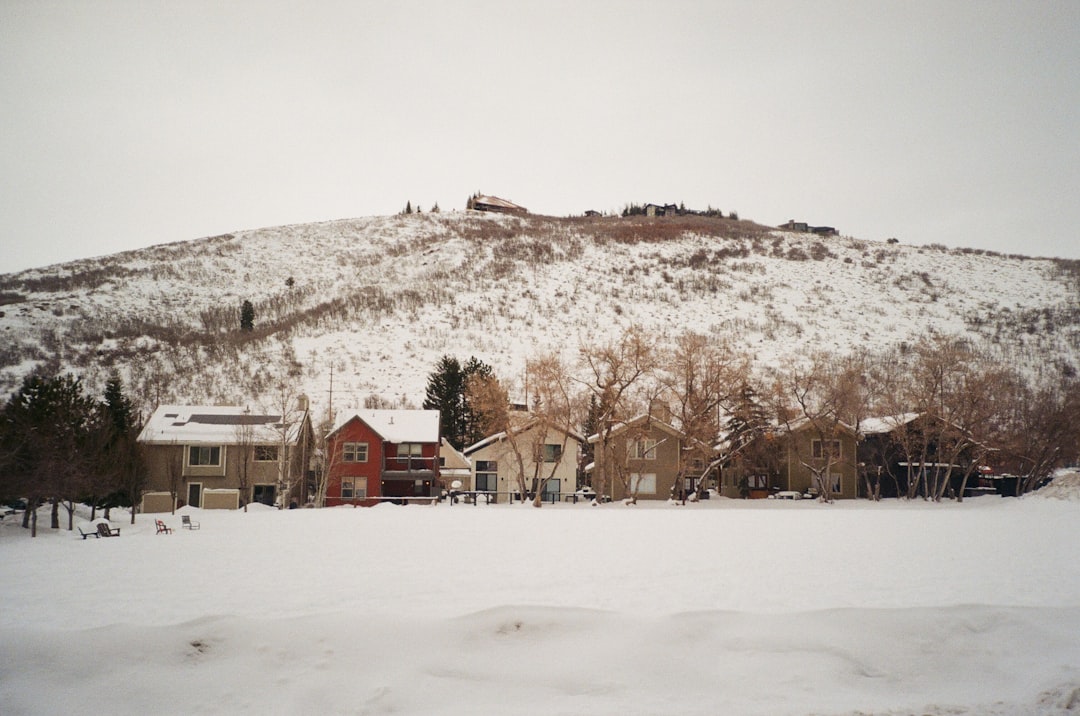 Photo by Unsplash on Unsplash
Do Utah State Laws Require Neighbor Notification?
The short answer: No, Utah state law does not require you to notify neighbors when selling your home FSBO. However, this doesn't mean you can ignore them entirely. While you're not legally obligated to ring their doorbell and announce the sale, there are situations where notification—or at least good judgment—matters.
Utah's real estate laws focus on buyer protections and disclosures, not neighbor communications. Once your home is listed on the MLS or advertised publicly, neighbors will find out anyway. But some sellers choose to inform neighbors proactively for practical and relationship reasons.
When HOA Rules DO Require Notification
If your Utah home is in a homeowners association (HOA), your situation changes. Many Utah HOAs have rules about selling properties, and some require formal notification before listing:
- HOA Transfer Disclosure: Most Utah HOA bylaws require sellers to provide HOA resale certificates, estoppel letters, or disclosure documents to buyers within a set time frame (usually 5–7 days).
- Approval for Showings: Some HOA communities restrict showing times or require advance notice to the HOA office—not necessarily to neighbors, but to the association management.
- Change Restrictions: If you plan to make changes to your home's exterior after selling (new buyer's plans), some HOAs require neighbor approval. Highly unlikely to apply before sale, but worth knowing.
Check your HOA CC&Rs (Covenants, Conditions & Restrictions) and contact your HOA president or management company before listing. This step is critical in Utah's many planned communities, especially in areas like Sandy, Draper, Lehi, and the Salt Lake City foothills where HOAs are standard.
When Voluntary Notification Makes Sense
Even though Utah law doesn't mandate it, here are practical reasons FSBO sellers notify neighbors:
1. Building Goodwill
A simple note or conversation can prevent awkward tensions. Neighbors often hear about a sale from prospective buyers' agents or through showing schedules. A heads-up feels courteous and professional.
2. Security During Open Houses and Showings
If you're holding an open house or multiple showings, nearby neighbors appreciate knowing your driveway will be busy. It prevents them from calling the police on unfamiliar cars or being startled by foot traffic.
3. Preventing Misunderstandings
In Utah's close-knit neighborhoods—from Ogden to St. George—rumors spread fast. Being upfront prevents neighbors from speculating or feeling blindsided when moving trucks arrive.
4. Property Value Concerns
Rarely, a neighbor might have insight into issues affecting your home's value (shared utility lines, drainage problems, past disputes). A conversation could surface concerns before serious buyers appear.
How to Notify Neighbors (If You Choose To)
If you decide to notify neighbors when selling FSBO in Utah, here's a tactful approach:
- Timing: Do it 1–2 weeks after listing, or once you have confirmed showings.
- Method: A friendly note in their mailbox or a quick conversation at their door. Keep it brief: "I wanted to let you know our home is on the market. You may see increased activity on our street. Please reach out if you have questions."
- Avoid: Don't ask for opinions on your home's condition, pricing, or asking them not to mention the sale.
- Document: Consider taking a simple photo of the note or noting the date you informed them—not because you legally must, but in case questions arise later.
County-Specific Considerations Across Utah
Neighbor notification rules can vary slightly by county:
- Salt Lake County: HOAs are prevalent in suburbs like Sandy, Midvale, and Salt Lake City. Most have formal notification procedures embedded in their bylaws.
- Utah County: Provo and Orem have many planned communities with HOA-specific notification rules. Check early.
- Davis County: Northern suburbs like Bountiful, Layton, and Kaysville also have strong HOA cultures. Notification might be required by the association, not the state.
- Weber County: Ogden and Layton areas have fewer HOAs in older neighborhoods, but Tier 1 developments (newer master-planned communities) often do.
- Washington County: St. George and surrounding areas have fewer mandatory HOAs in rural properties but may apply in newer subdivisions.
What You Should Disclose (Separate from Neighbor Notification)
Confusion often arises between neighbor notification and legal disclosures. In Utah FSBO sales, you must disclose to buyers:
- Known defects or hazards in the property
- HOA status and CC&Rs
- Special assessments
- Easements or boundary disputes
- Environmental issues (radon, lead paint, flood zones, etc.)
These disclosures go to buyers and title companies—not neighbors. Utah law does not require you to disclose property issues to neighbors, only to buyers through the proper channels.
Common Utah FSBO Neighbor Scenarios
Scenario 1: You Want to Sell Quietly
If you're selling for personal reasons (job change, downsizing) and prefer privacy, you have the right to sell without pre-notifying neighbors. However, once buyers start viewing and inspectors arrive, neighbors will notice.
Scenario 2: You Have a Contentious Neighbor
Don't let a difficult neighbor relationship drive your decision. Keep communication professional and infrequent. You're selling the house, not seeking their approval.
Scenario 3: Your Neighborhood Has Rapid Turnover
In shifting neighborhoods, neighbors expect homes to be listed. A quick heads-up is appreciated but not critical.
Bottom Line: Legally Optional, Practically Wise
For Utah FSBO sellers: notifying neighbors is not legally required—except if your HOA bylaws demand it. But it's often a courteous move that builds goodwill and prevents awkward encounters during showings and inspections.
Start by checking HOA rules (if applicable), then decide whether a neighborly note fits your situation. The small effort often prevents misunderstandings down the road.
Ready to get started? Tyler offers a free 15-minute consultation — schedule yours at utahfsbohelp.com/contact.
Questions about your situation?
Book a free 15-minute call with a licensed Utah real estate attorney.
Book a Free ConsultationOr call/text: 801-725-3482