Real estate wire fraud is the fastest-growing financial crime in the United States — and Utah FSBO sellers are a prime target. In 2023, the FBI's Internet Crime Complaint Center reported over $145 million in losses from real estate wire fraud nationally, and Utah ranks among the top states for business email compromise. When you're selling your home without a real estate agent, Utah FSBO wire fraud prevention falls entirely on your shoulders. There is no agent buffer between you and the scammer.
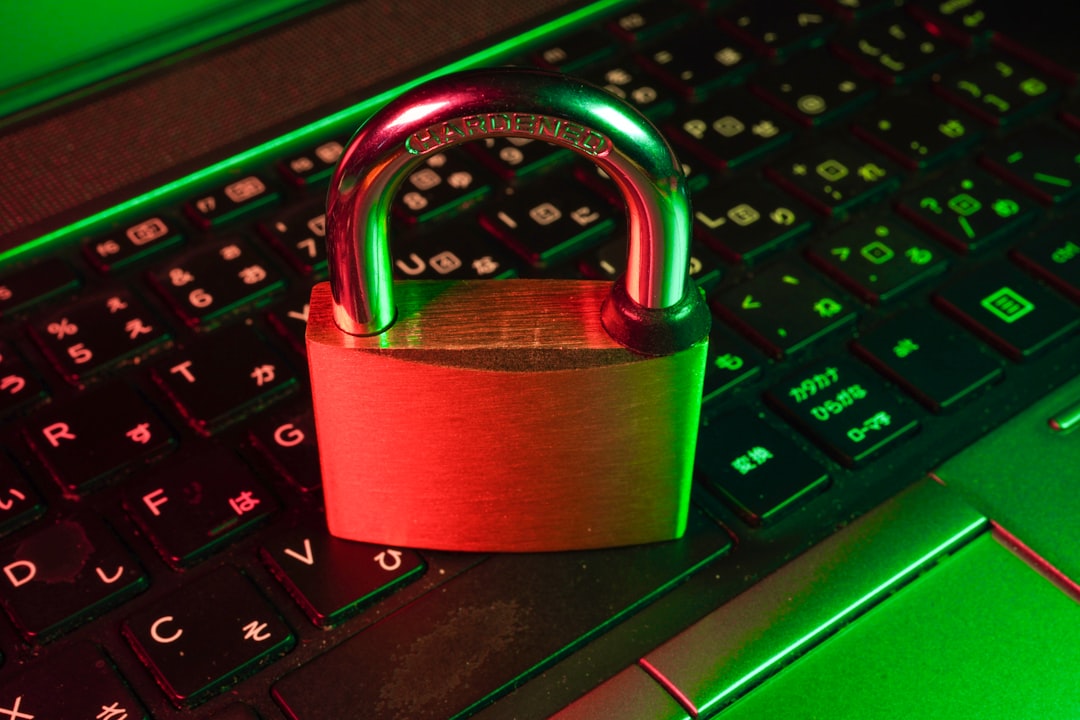 Photo by FlyD on Unsplash
This isn't a theoretical risk. Utah's real estate boom over the last decade has made it a hotbed for wire fraud. High transaction amounts — even a modest Salt Lake County home now closes near $450,000 — make every closing an attractive target. Here's what you need to know to protect your proceeds.
How Wire Fraud Targets Utah FSBO Sellers
Wire fraud in real estate almost always follows the same pattern. A scammer infiltrates your email communication — typically by monitoring it for weeks before acting — and then impersonates someone involved in the transaction at the exact right moment: just before closing.
In a typical Utah FSBO transaction, the people sending you wiring instructions include:
- Your title company or escrow officer
- Your real estate attorney
- The buyer's lender (if they're sending you any funds)
The scammer intercepts or spoofs an email from one of these parties and sends you a message with "updated" wiring instructions. The account number or routing number is changed by just a digit or two. You wire your closing proceeds — or the buyer wires the down payment — and the money is gone within hours, usually overseas.
Utah FSBO sellers are especially vulnerable because:
- There's no buyer's agent double-checking communications
- You may not have an attorney routing information through a verified channel
- First-time FSBO sellers often don't know what "normal" closing communication looks like
Verify Every Wire Instruction by Phone — Every Single Time
The single most effective wire fraud prevention measure is simple: call to verify before you wire anything.
When you receive wiring instructions — even from someone you've been emailing for weeks — call the title company or escrow officer using a phone number you looked up independently. Do not call the number in the email. Do not reply to the email to ask if it's legitimate.
Utah's major title companies — First American Title, Stewart Title, Fidelity National Title, and others operating in Salt Lake, Utah, Davis, and Weber counties — all have published phone numbers on their websites. Use those. Call, provide the file number, and ask a human to verbally confirm the exact wiring instructions.
This call takes two minutes. It cannot be faked by email. It is the most reliable fraud prevention tool available to you.
Watch for Red Flags in Closing Communications
Before wiring anything, look for these warning signs:
- "Updated" wiring instructions that arrive within the last 72 hours before closing — scammers time this intentionally
- Urgency or pressure — legitimate title companies don't tell you to wire "immediately or the sale will fall through"
- Email addresses with slight variations —
info@stewartitle.cominstead ofinfo@stewartitle.com, or extra hyphens in domain names - Instructions to wire to a different institution than what was previously discussed
- A different bank than typical for Utah — most Utah title companies escrow at local or regional banks; wires to obscure offshore or out-of-state banks should raise flags
If anything feels off, stop and call. No legitimate closing can proceed faster than it takes you to make a phone call.
Set Up Your Own Secure Wiring Process
As a FSBO seller in Utah, you're coordinating with the title company, the buyer, and possibly a lender and an attorney. Here's a process that reduces fraud risk:
Get wiring instructions early. Ask your Utah title company to provide written wiring instructions at least one week before closing. Print them out and keep a physical copy. This gives you a reference to compare against any "updated" instructions that arrive later.
Confirm the bank information matches. Utah's title escrow accounts are typically held at First Utah Bank, Zions Bank, Washington Federal, or national institutions with large Utah presences (Wells Fargo, US Bank). If the wiring instructions point you to a bank you've never heard of, that's a red flag.
Set up a dedicated email for your FSBO transaction and don't use it for anything else. This limits your exposure to compromised accounts.
Tell your buyer to follow the same process. Wire fraud victimizes buyers just as often as sellers — sometimes more. As the FSBO seller, you're the one managing the transaction, so it's reasonable to brief your buyer on this risk early.
What Utah Title Companies Do (and Don't Do) to Protect You
Utah's title and escrow companies have their own fraud prevention protocols. Most will:
- Send wiring instructions through encrypted portals when available
- Remind clients verbally that instructions should be verified by phone
- Flag changes to wiring instructions in the file
But title companies are not liable for funds you wire to a fraudulent account based on a spoofed email. Utah law does not require them to guarantee against this type of fraud. The obligation to verify rests with the party initiating the wire — that's you as the seller.
If you're unsure about the title company's security protocols, ask them directly: "How do you send wiring instructions, and what should I do if I receive an email asking me to update my wire details?" A good Utah escrow officer will walk you through their process.
What to Do If You've Already Wired to the Wrong Account
If you realize you've wired to a fraudulent account:
- Call your bank immediately — within minutes if possible. Request a wire recall. Most Utah banks have a fraud line available. Recalls are not guaranteed, but they're far more successful when initiated within the first hour.
- Call the FBI's Internet Crime Complaint Center at ic3.gov and file a report. Utah has an FBI field office in Salt Lake City that handles wire fraud cases.
- Contact the Utah Division of Real Estate if you believe a licensed title company or real estate professional was involved or negligent.
- Document everything — keep every email, phone record, and the wiring confirmation.
Speed matters enormously. Once wired funds move offshore, recovery becomes nearly impossible. Banks in Utah can sometimes recall a wire within the same business day, but delays dramatically reduce the odds.
Tight Timelines Make Utah FSBO Sellers Vulnerable
The Utah REPC's 30-day default closing timeline creates pressure. FSBO sellers are often managing inspection deadlines, contingency waivers, buyer loan conditions, and final walkthrough coordination all at once. Fraudsters exploit this pressure deliberately — they reach out when you're juggling a dozen things and more likely to act without pausing to verify.
The antidote is to slow down for wire verification even when everything else is moving fast. Build it into your process as a non-negotiable step, not something you do "if it seems off." Every wire should be verified, every time.
Ask Your Title Company About Secure Portals
In 2024 and beyond, more Utah title companies have moved to secure closing portals — CertifID and other verification tools — that let you confirm wire details through a verified, encrypted channel instead of email. When you're setting up your closing, ask your title company: "Do you use a wire verification service?" If they do, use it.
If they don't, the phone call verification method described above is your best protection.
Wire fraud is preventable. It doesn't require sophisticated cybersecurity knowledge — it requires one phone call before you send any wire. As a Utah FSBO seller, you're already taking on more transaction management than a represented seller. Add wire verification to your checklist, brief your buyer, and don't let urgency override caution.
Ready to get started? Tyler offers a free 15-minute consultation — schedule yours at utahfsbohelp.com/contact.
Questions about your situation?
Book a free 15-minute call with a licensed Utah real estate attorney.
Book a Free ConsultationOr call/text: 801-725-3482