If your Utah home is served by a private well rather than a municipal water system, you have specific disclosure obligations that go beyond the standard Utah Seller Disclosure form. Missing these requirements can kill a deal, expose you to liability, or cause a lender to refuse financing. Here's what you need to know about the utah fsbo well water disclosure process before you put your home on the market.
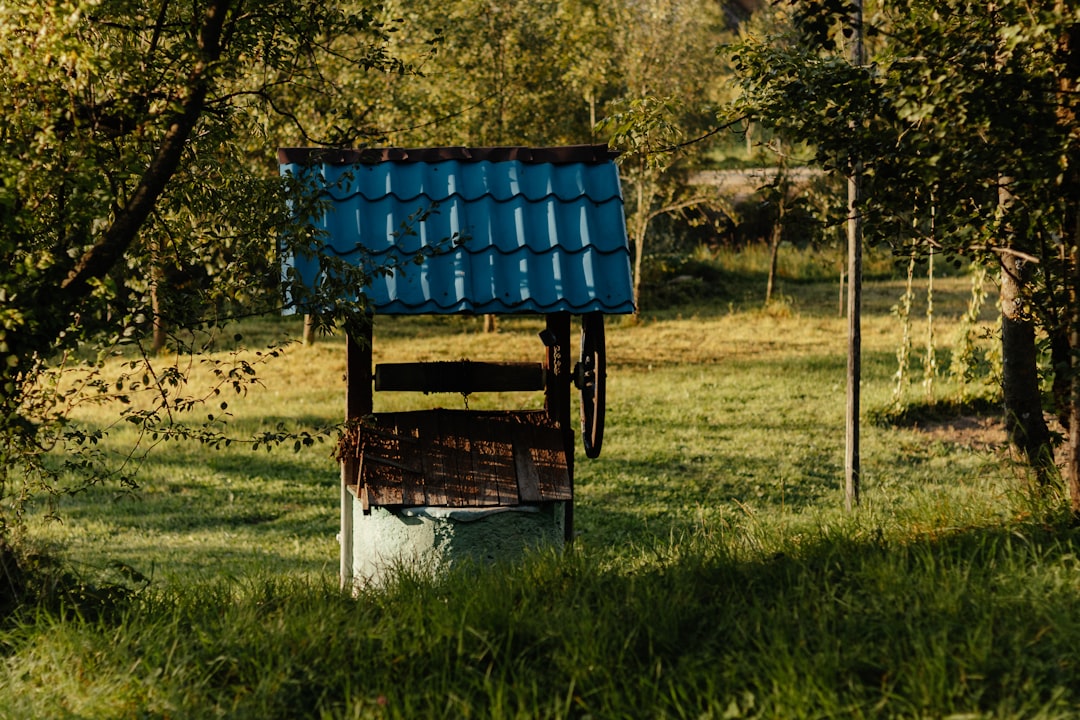 Photo by Anna Blake on Unsplash
What Utah Law Requires You to Disclose
Utah Code § 57-27 governs the Seller Disclosure Act, and the standard Utah Real Estate Purchase Contract (REPC) includes a Seller Disclosure form that covers water source. You are required to disclose:
- Whether the property is served by a private well or a public/municipal system
- The well's location on the property (ideally with a survey or site map)
- The approximate age of the well, if known
- Any known issues with water quality, quantity, or pressure
- Whether the well is shared with a neighboring property (a shared well requires a separate agreement)
- Any well permits on file with the Utah Division of Water Rights
The Utah Division of Water Rights maintains records on permitted wells. As a seller, you should pull your well registration number from the Utah Water Rights database (available at waterrights.utah.gov) and include it in your disclosures. Buyers' agents will ask for it, and lenders will require it for most financed transactions.
Water Quality Testing: Do You Have to Do It?
Utah law does not require sellers to test well water before listing. However, this is the practical reality:
- FHA and VA loans always require a water quality test. If your buyer is using FHA or VA financing, the lender will order a water test as part of the appraisal process — and the results must meet EPA standards for drinking water.
- Conventional lenders often require it too, especially for rural properties in Utah County, Tooele County, Sanpete County, and other areas where private wells are common.
- Cash buyers may or may not ask, but savvy buyers will. If the results come back with issues after you're under contract, you'll be renegotiating repairs or credits during the due diligence window.
The smarter move: get a water quality test done before you list. It typically costs $150–$400 depending on the panel you request. If results are clean, you can use them as a marketing point. If there are issues, you know before you're under contract and can either remediate or price accordingly.
What to Disclose About Well Performance
Beyond water quality, buyers care about quantity and pressure — especially in dry Utah summers. Under the Utah Seller Disclosure requirements, you must disclose any known deficiencies with the well system, including:
- Low water table or seasonal pressure drops — common in areas like southern Utah County, Juab County, and parts of Washington County
- Pump age and condition — submersible pumps typically last 10–15 years; if yours is aging, expect questions
- Storage tank size and condition, if applicable
- History of well service or repairs — any service records you have should be provided to the buyer
If you've had a driller or pump contractor out in the last few years, pull those receipts. Buyers and their inspectors will ask, and having documentation builds trust.
Shared Wells: Extra Disclosure Required
If your well serves more than one property, you're dealing with a shared well agreement — and this requires additional disclosure and documentation. Utah buyers (and their lenders) will want to see:
- A written shared well agreement recorded with the county
- Maintenance cost-sharing terms between property owners
- Contact information for the other property owner(s)
- Any history of disputes over water access or maintenance
Shared wells are common in rural subdivisions in Summit County, Wasatch County, and Iron County. If no written agreement exists, that's a title issue you need to address before closing — see our post on Utah FSBO Title Issues for more on how to handle defects that surface during the sale.
How to Disclose Well Information in the REPC
The standard Utah REPC Seller Property Condition Disclosure form has a section for water source. Check the "private well" box and attach a well disclosure addendum if needed. Include:
- Well permit number (from Utah Division of Water Rights)
- Date of most recent water test and results
- Any known deficiencies or repairs
- Shared well agreement, if applicable
Your title company will also flag well-related issues during the title search. If there are any unpermitted or unregistered wells on the property, address this before listing — the Utah Division of Water Rights can issue after-the-fact permits in many cases, but it takes time.
Common Mistakes Utah FSBO Sellers Make With Well Disclosures
- Forgetting to disclose a second well — some rural Utah properties have both a domestic well and an irrigation well. Both must be disclosed.
- Not knowing the permit status — selling a home with an unpermitted well creates a cloud on the title. Check with the Division of Water Rights early.
- Assuming the buyer won't test — they will, especially if using a lender.
- Burying problems in boilerplate — vague language like "well in good working order" is not enough if you've had seasonal pressure drops. Be specific.
Ready to get started? Tyler offers a free 15-minute consultation — schedule yours at utahfsbohelp.com/contact.
Questions about your situation?
Book a free 15-minute call with a licensed Utah real estate attorney.
Book a Free ConsultationOr call/text: 801-725-3482