When you sell your home as a Utah FSBO seller, understanding the tax implications can save you thousands of dollars. Unlike sellers who work with agents or realtors, FSBO sellers must navigate tax deductions and reporting requirements on their own—or with the help of a tax professional. This guide breaks down the Utah FSBO tax deduction opportunities available to you when selling your home.
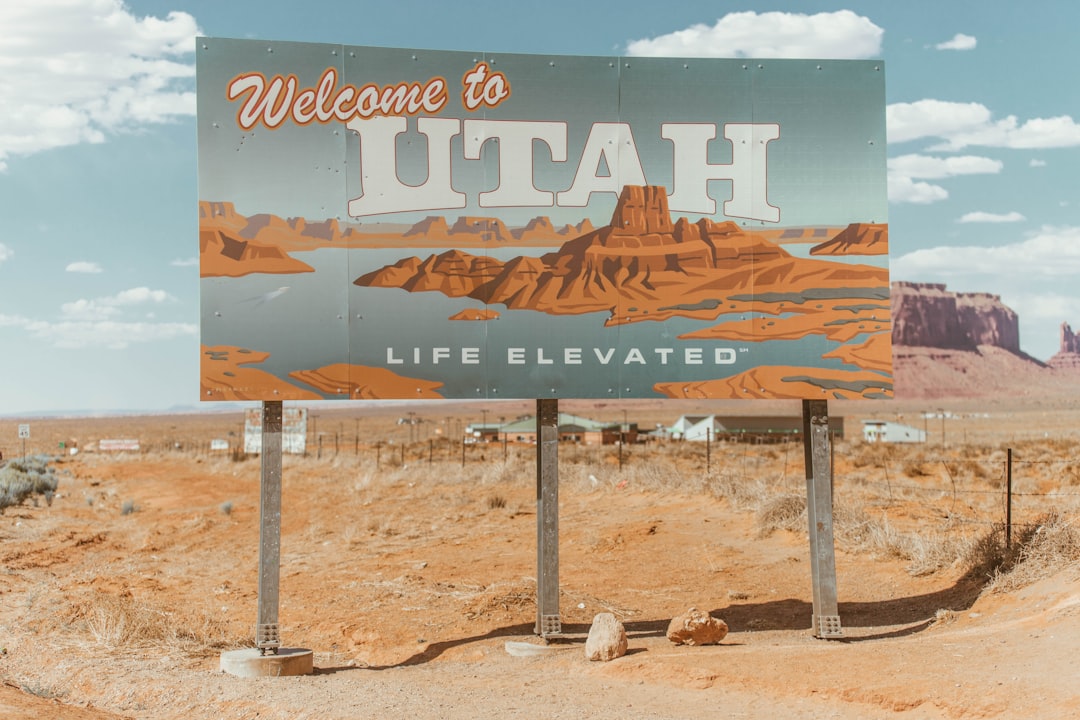 Photo by Nattanan Kanchanaprat on Unsplash
What Is a Capital Gains Exclusion?
The most significant tax benefit for Utah FSBO sellers is the capital gains exclusion—a federal tax rule that allows you to exclude a portion of your home sale profit from taxation. If you're married filing jointly, you can exclude up to $500,000 of capital gains. Single filers can exclude up to $250,000.
This exclusion applies only if you meet three key criteria:
- You owned the home for at least 2 of the 5 years before the sale
- You lived in the home as your primary residence for at least 2 of the 5 years before the sale
- You haven't used this exclusion on another home sale in the past 2 years
Utah FSBO sellers benefit equally from this rule—the IRS doesn't distinguish between sellers who used an agent and those who sold on their own. The key is proving you meet the ownership and residence requirements.
Deductible Selling Expenses for Utah FSBO Sellers
As a Utah FSBO seller, you can deduct certain costs associated with selling your home. These expenses reduce your profit and lower your taxable capital gains. Common deductible expenses include:
- Permit and inspection costs — Home inspections, radon tests, and other inspections required in Utah
- Repairs and improvements — Work done specifically to prepare the home for sale (not ongoing maintenance)
- Title insurance — Required for Utah real estate transactions
- Advertising costs — Signs, online listing fees, professional photography, or virtual tour services. (If you're still working on your listing, see how to write a Utah FSBO listing description that gets showings.)
- Legal and professional fees — Costs for attorney consultations, tax advice, or closing coordination
- Recording fees and surveys — If required by your Utah title company
Important: Repairs and improvements must be done specifically to prepare the home for sale. Ongoing maintenance—like painting a room every 5 years—doesn't qualify. However, replacing the roof, fixing the foundation, or updating the kitchen to add value before showing qualifies.
Is Your Home Office Deductible?
If you used a portion of your Utah home as a dedicated home office before selling, you may need to recapture depreciation deductions when you sell. This is a depreciation recapture tax, and it applies at a rate of up to 25%—higher than the standard capital gains rate. However, this only applies if you took depreciation deductions on your tax returns for the home office.
If you claim a home office deduction but later sell the home, the IRS may require you to recapture some or all of those deductions. Consult a tax professional to understand your specific situation before selling.
Mortgage Interest and Property Taxes: Too Late to Deduct on Sale
A common misconception among Utah FSBO sellers is that mortgage interest and property taxes can be deducted as selling expenses. This is not true. Mortgage interest and property taxes paid during ownership are deducted annually on your tax return—not when you sell.
However, if you're closing mid-month or mid-year, the seller and buyer will split property taxes at closing (prorated). Your portion of property taxes remains deductible in the year the payment is made, regardless of the sale.
Capital Gains Tax Rate on Utah FSBO Sales
After applying the capital gains exclusion, any remaining profit is typically taxed at the long-term capital gains rate. For 2026, these federal rates are:
- 0% for married filing jointly income up to $94,375
- 15% for income between $94,375 and $583,750
- 20% for income over $583,750
Utah doesn't have a separate capital gains tax—it taxes gains through income tax at rates up to 4.7%. Your total tax burden will depend on your federal bracket, Utah income tax rate, and any net investment income tax (NIIT).
FSBO Sellers Must Report the Sale to the IRS
Unlike other deductions, you cannot skip reporting your home sale to the IRS—even if it qualifies for the full capital gains exclusion. You must file Form 8949 and Schedule D with your tax return to report the sale. Failure to report can result in penalties.
Utah FSBO sellers face the same reporting requirement as any seller. Your title company or closing coordinator may provide settlement statements to help you complete these forms, but it's your responsibility to file accurately.
Advanced Strategy: Reinvestment in Utah Real Estate
If you sell your Utah FSBO home and reinvest the proceeds in another primary residence, you may qualify for the capital gains exclusion again in the future. While there's no tax benefit to reinvesting right away, planning your next purchase strategically—timing it to avoid three home sales within 2 years—can help you maximize tax benefits long-term.
Common Tax Filing Mistakes by Utah FSBO Sellers
- Not reporting the sale — Even with the exclusion, you must file Form 8949.
- Inflating repair basis — Claiming maintenance costs as selling expenses.
- Forgetting about depreciation recapture — If you claimed a home office deduction.
- Mixing personal and business use — If you rented part of the home or used it partially for business.
- Getting tax advice too late — Consulting a professional after closing rather than before.
When to Consult a Tax Professional
While Utah FSBO sellers can navigate basic tax deductions, certain situations require professional help:
- Your home sale profit exceeds the capital gains exclusion limit
- You used a home office or rented part of the home
- The home is a second property or investment
- You're undergoing a divorce or inheritance situation
- The sale involves complex repairs or multiple improvements
Tyler can connect you with tax professionals who understand Utah real estate. A consultation now can easily save you thousands.
Key Takeaway: Utah FSBO Sellers Benefit From the Same Tax Rules
As a Utah FSBO seller, you're not at a disadvantage on taxes—you have access to the same capital gains exclusion and deduction opportunities as any seller. The advantage of FSBO is that you keep more of your profit by not paying agent commissions. The key is understanding which expenses qualify, filing correctly with the IRS, and getting professional guidance if your situation is complex.
Ready to get started? Tyler offers a free 15-minute consultation — schedule yours at utahfsbohelp.com/contact.
Questions about your situation?
Book a free 15-minute call with a licensed Utah real estate attorney.
Book a Free ConsultationOr call/text: 801-725-3482