Square footage is one of the most common sources of post-closing disputes in Utah real estate. When you're selling your home without an agent, Utah FSBO square footage disclosure is your responsibility — and getting it wrong can expose you to legal claims from buyers months after you've moved on. This guide explains what counts as finished square footage in Utah, what you're legally required to disclose, and how to protect yourself from misrepresentation claims.
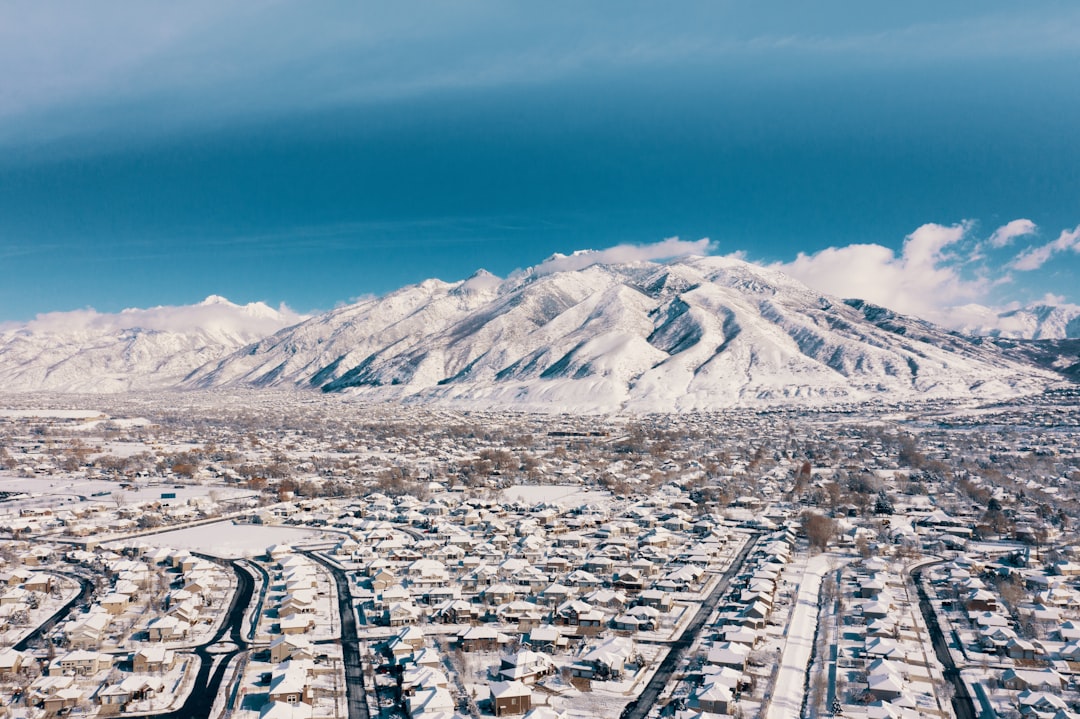 Photo by Michael Tuszynski on Unsplash
Why Square Footage Matters in Utah FSBO Sales
In Utah, square footage directly affects listing price, appraisal value, and buyer expectations. A discrepancy as small as 100–200 square feet can shift a buyer's offer by thousands of dollars and give them legal grounds to demand a price reduction — or pursue damages — after closing.
Utah follows the standard that gross living area (GLA) is the most commonly advertised figure. But this doesn't mean total square footage of your entire home. It means the finished, heated, above-grade living space. If your listing or the Utah Real Estate Purchase Contract (REPC) references a specific square footage, you're making a representation to the buyer that can create liability if it's inaccurate.
What Counts as Finished Square Footage in Utah
Utah real estate convention follows ANSI Z765 measurement standards, which are also used by appraisers. Here's what counts and what doesn't:
Counts toward square footage:
- Finished rooms above grade (bedrooms, bathrooms, living areas, kitchens)
- Finished above-grade spaces with a minimum 7-foot ceiling height
- Stairways and hallways within the main living area
Does NOT count:
- Unfinished basements (even if they have flooring and drywall)
- Finished basements — these are disclosed separately in Utah, often labeled as "finished basement square footage" or "below-grade finished area"
- Garages, carports, and storage areas
- Covered patios, porches, or sunrooms that aren't climate-controlled and fully finished
- Areas with ceiling height under 7 feet
Basements are a particularly common problem for Utah FSBO sellers. Wasatch Front homes frequently have large finished basements in Salt Lake County, Utah County, and Davis County. That finished walkout basement with a family room, bedroom, and bathroom — typically 600–1,000 square feet — should be listed separately from your above-grade square footage, not added to it. Mixing the two inflates your listed square footage and creates real legal exposure.
Utah Disclosure Requirements
Utah's Seller Property Condition Disclosure form doesn't specifically require you to disclose square footage on the form itself — but that doesn't mean you're off the hook. Square footage is typically disclosed through:
- Your MLS listing (if you list through a flat-fee MLS service, which most Utah FSBO sellers do)
- The Purchase Contract or addenda, where both parties often agree on the advertised square footage
- Verbal and written representations you make to buyers during showings
Under Utah Code § 57-1-1 et seq. and Utah's real estate fraud statutes, misrepresentation — even negligent misrepresentation — can be grounds for a legal claim. You don't have to intentionally lie for a buyer to have a claim. If you honestly believed your basement counted and it didn't, you can still be liable.
For a full overview of what you must disclose, see the Utah FSBO Disclosure Checklist — square footage is one piece of a broader set of required disclosures.
How to Get an Accurate Square Footage Number
The safest approach is to have your home professionally measured before listing. Options in Utah include:
- Hire an appraiser — A Utah licensed appraiser can measure your home following ANSI standards. This typically costs $100–$200 if done as a standalone measurement (not a full appraisal).
- Hire a certified measurer — Some Utah home listing services offer professional floor plan measurement.
- DIY with care — If you measure yourself, use a laser tape measure, measure each room separately, exclude all non-qualifying areas, and document your math.
Match the square footage you advertise on Zillow/Realtor.com and in any REPC addendum to the same number. Conflicting figures across documents are a red flag that attorneys will use against you.
What to Do If Your Public Records Are Wrong
In Utah, county assessor records frequently carry incorrect square footage. Salt Lake County, Utah County, and Washington County assessor databases are known for having figures that date back to original permits — and don't reflect additions, conversions, or finished basements. Buyers who pull assessor records will see these numbers.
Don't rely on assessor records for your listing. If your assessor says 1,800 sq ft but your actual GLA is 2,100, you need to decide how to handle it:
- If the discrepancy is from unpermitted work (a finished basement added without permits), you have both a square footage disclosure issue and an unpermitted work disclosure issue — two separate problems that need separate disclosure.
- If the records are simply outdated, get a professional measurement and note in your listing: "Seller-measured square footage of 2,100 sq ft — buyer to verify."
Adding "buyer to verify" in your listing and contract addendum is a standard Utah practice that shifts verification responsibility to the buyer. It's not a guarantee of immunity, but it puts the buyer on notice that the square footage is seller-provided and unverified by the assessor.
Protecting Yourself at Closing
When you go to closing with your Utah title company — whether that's RH Title, a Salt Lake County escrow office, or another provider — the final REPC and any addenda will contain your square footage representation. Review it carefully. If the buyer's lender orders an appraisal (which is typical for financed transactions), the appraiser will measure the home independently. If the appraisal comes in with a different square footage, expect the buyer to ask questions. If you're offering buyer financing alternatives like owner financing, owner-measured square footage is especially critical since the appraisal process may be less formal.
Ready to get started? Tyler offers a free 15-minute consultation — schedule yours at utahfsbohelp.com/contact.
Questions about your situation?
Book a free 15-minute call with a licensed Utah real estate attorney.
Book a Free ConsultationOr call/text: 801-725-3482