If your Utah home has solar panels, you have disclosure obligations that go beyond the standard Property Condition Disclosure Form. Utah FSBO solar panel disclosure isn't complicated once you understand the rules — but skipping it or getting it wrong can derail a closing, expose you to liability, or kill a buyer's financing. Here's what you need to know before you accept an offer.
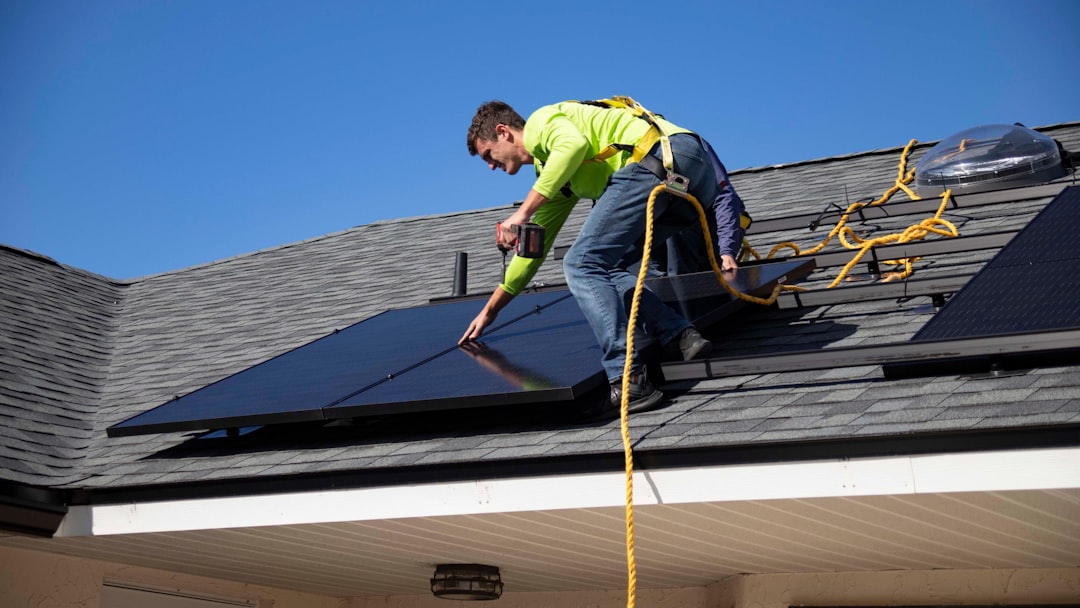 Photo by Raze Solar on Unsplash
Why Solar Panel Disclosure Matters in Utah
Utah has one of the highest rates of residential solar adoption in the country. The combination of 300+ sunny days per year, the state's net metering program, and continuing federal and state incentives has made rooftop solar common in counties like Utah County, Washington County (St. George area), and Salt Lake County. That means Utah buyers have gotten savvy about solar — and their lenders have too.
The core disclosure issue is simple: are the panels owned or leased? These two situations create completely different obligations and risks for a buyer. As an FSBO seller, it's your job to make that clear upfront.
Owned Solar Panels: What to Disclose
If you own your solar panels outright — purchased with cash or through a loan that's already paid off — the panels are a fixture of the home and transfer to the buyer at closing. You need to disclose:
- Age and condition of the system: How old are the panels and inverter? Any repairs or replacements?
- Current output capacity: Buyers and their lenders will want to know the rated wattage and current production, especially if it's declined.
- Warranty information: Most panels carry a 25-year manufacturer warranty. Pass on any documentation you have.
- Utility net metering agreement: If you're enrolled in Rocky Mountain Power's net metering program, that agreement may need to be assigned to the buyer. Contact Rocky Mountain Power about the transfer process before closing.
- Permits: Solar installations in Utah require permits from the local building department. Confirm the permits were properly pulled and that inspections were signed off. Unpermitted solar work is a separate disclosure issue — see our guide to Utah FSBO disclosure requirements for the full picture.
If the panels were financed with a solar loan that is not yet paid off, that loan may be attached to your property. Check whether your solar loan is a secured lien on the home. If it is, you'll need to pay it off at closing — similar to any other lien. Buyers' lenders will not close until solar liens are resolved.
Leased Solar Panels: The More Complicated Situation
Leased solar panels are where transactions get complicated. If you signed a long-term lease (often 20–25 years) with a company like Tesla Energy, SunPower, or a local Utah solar installer, those panels do not belong to you. They belong to the leasing company, and the lease runs with the property — meaning the buyer must qualify for and assume the lease to close.
Here's what you must disclose as a Utah FSBO seller:
- That a lease exists: Disclose this in writing before purchase agreement execution, not after.
- Complete lease terms: Monthly payment amount, remaining lease term, escalator clauses (annual payment increases), and any purchase options.
- Lease assignment requirements: Most solar leases require the leasing company to approve the buyer before assignment. Start this process early — it can add 2–4 weeks to your closing timeline.
- What happens if the buyer won't assume the lease: You may be required to pay off (buy out) the lease, which can run $10,000–$30,000 depending on your system size and remaining term.
Lenders — including FHA and VA loan programs — have specific requirements for homes with leased solar panels. FHA guidelines require the lease to be assumable, that the lease payment not be included in the buyer's DTI calculation under certain conditions, and that no solar lien takes priority over the mortgage. If the buyer's lender flags an issue, you need to know about it early rather than at closing.
Power Purchase Agreements (PPAs): Similar Treatment as Leases
Some Utah homeowners have a Power Purchase Agreement (PPA) rather than an outright lease. In a PPA, you don't pay a monthly lease fee — instead you purchase the electricity generated at a fixed or escalating rate from the solar company. The panels still belong to the solar company, and the PPA must also be disclosed and assigned.
Treat PPAs the same as leases for disclosure purposes: produce the agreement, disclose the terms, and confirm the PPA company's assignment process before going under contract.
What Form Do You Use?
Utah's standard Seller Property Condition Disclosure form has a section for "Other Improvements / Systems." This is where solar panels belong. Note whether the system is owned or leased, and attach any supporting documentation — lease agreements, warranty documents, permit records, and utility agreements.
If the panels are leased or subject to a PPA, you should also provide a separate written summary of the key terms so the buyer and their agent clearly understand what they're assuming.
Timing: Disclose Before the Offer
The best practice — and the one that protects you most — is to include solar panel information in your listing description and have documentation ready before you accept any offer. Surprises discovered during due diligence give buyers a legitimate reason to back out under Utah's Real Estate Purchase Contract (REPC) inspection contingency.
Don't wait for the buyer's inspector to flag the panels. Be proactive: put the ownership status in your listing, have the paperwork ready, and if the lease requires buyer qualification, start the approval process the day you go under contract.
Ready to get started? Tyler offers a free 15-minute consultation — schedule yours at utahfsbohelp.com/contact.
Questions about your situation?
Book a free 15-minute call with a licensed Utah real estate attorney.
Book a Free ConsultationOr call/text: 801-725-3482