Selling your Utah home without a realtor gives you control over the process — but it also puts the full weight of disclosure obligations squarely on your shoulders. One of the most serious mistakes a Utah FSBO seller can make is failing to disclose a material defect. If a buyer discovers undisclosed problems after closing, the legal and financial consequences can be severe. Understanding what Utah law requires — and what happens when it's violated — is essential before you list.
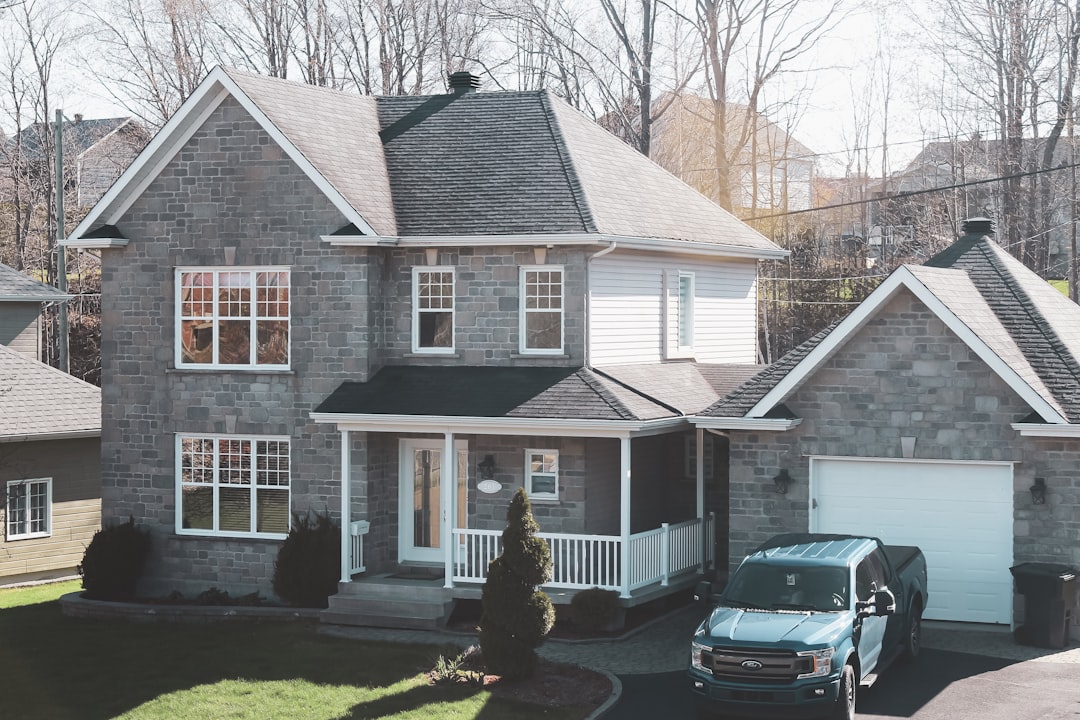 Photo by Compagnons on Unsplash
What Is a "Material Defect" Under Utah Law?
In Utah, a material defect is any physical condition of the property that would have a significant adverse effect on the value of the property, or that would significantly impair the health or safety of future occupants, or that would significantly shorten or adversely affect the expected normal life of the property.
This is a broad definition. Common examples in Utah real estate transactions include:
- Foundation cracks or settling, especially common in older Salt Lake Valley homes and hillside properties
- Past or present water intrusion, including basement flooding and roof leaks
- Known mold or mildew — especially in high-humidity areas like homes near the Jordan River or in older Davis County neighborhoods
- Unpermitted additions or conversions (ADUs, basement finishes, garage conversions)
- Soil movement, mine subsidence, or ground instability in areas near the Wasatch Front
- Septic system failures or known well contamination
- Structural damage from earthquakes or freeze-thaw cycles
If you are aware of any of these issues — or you were aware at any point during your ownership — you are required to disclose them on Utah's Seller's Real Property Disclosure form. Review the Utah seller disclosure requirements for a full breakdown of what the form requires.
The Legal Consequences of Non-Disclosure in Utah
Utah courts take disclosure fraud seriously. If a buyer can prove that you knew about a defect and failed to disclose it, here's what you're facing:
1. Rescission of the Sale A buyer who discovers an undisclosed material defect can sue to unwind the entire transaction. This means giving back the purchase price, getting the deed reversed, and potentially having the property returned to you — often years later when it's worth less and you've already spent the proceeds.
2. Damages If the buyer doesn't want rescission, they can sue for the cost to repair the defect plus any consequential damages. In Utah, courts can award the difference between what the buyer paid and the actual market value of the defective property. In cases involving serious structural or environmental issues, those damages can easily reach $50,000–$150,000.
3. Treble Damages and Attorney's Fees Under Utah's Consumer Sales Practices Act, if a court finds that you engaged in a deceptive practice, you may owe three times the actual damages plus the buyer's attorney's fees. For a FSBO seller without a realtor or attorney reviewing your disclosures, this risk is real.
4. Criminal Liability In egregious cases involving intentional fraud, sellers have faced criminal referrals in Utah. This is rare but not unheard of — particularly in situations involving concealing structural failures or known toxic conditions.
"I Didn't Know" — Does It Protect You?
Not always. Utah law distinguishes between actual knowledge and constructive knowledge. If you should have known about a defect — because it was visible, because a prior inspection flagged it, or because you actively concealed it with fresh paint or repairs — you may still be liable even if you claim you didn't technically "know."
Courts in Utah have found sellers liable where:
- A home inspector's report from a prior sale listed a defect and the seller sold again without re-disclosing
- Sellers painted over water stains or mold before listing
- Sellers failed to disclose known radon or asbestos issues
- Sellers removed or replaced components (like HVAC systems) shortly before listing without disclosure
The bottom line: If you've had work done on the house, had any complaints from neighbors, or noticed anything unusual during your ownership, disclose it.
The "As-Is" Clause Doesn't Protect You From Disclosure Claims
Some Utah FSBO sellers believe that writing "as-is" into the purchase agreement exempts them from disclosure liability. This is a common misconception. Utah's disclosure requirements exist independently of any as-is clause. An as-is provision limits your obligation to make repairs — it does not limit your obligation to tell buyers what you know about the property. Buyers can still sue for fraudulent concealment even in an as-is sale.
What You Should Do Before Listing FSBO in Utah
- Complete the Utah Seller's Real Property Disclosure form accurately and honestly. If you're unsure whether something qualifies as a material defect, disclose it anyway. Courts favor disclosure.
- Retain copies of all disclosures and acknowledgments. Utah FSBO document retention requirements recommend keeping records for at least three years post-closing.
- Get a pre-listing inspection. Paying for an inspection yourself ($350–$500 in most Utah markets) surfaces defects before buyers do — giving you time to fix them or price accordingly.
- Consult a Utah real estate attorney if you have any doubt about what must be disclosed. The cost of a one-hour consultation is trivial compared to litigation.
Utah County-Specific Notes
Different parts of Utah have specific known defect patterns that disclosure demands:
- Salt Lake City and Millcreek: Aging sewer lines and basement water intrusion are common
- Utah County (Provo, Orem, Spanish Fork): Fast appreciation has led to flipped homes with concealed issues
- Weber County (Ogden area): Foundation issues due to clay soils and older housing stock
- Washington County (St. George): Water rights and shared well issues frequently appear in FSBO transactions
Ready to get started? Tyler offers a free 15-minute consultation — schedule yours at utahfsbohelp.com/contact.
Questions about your situation?
Book a free 15-minute call with a licensed Utah real estate attorney.
Book a Free ConsultationOr call/text: 801-725-3482