When selling your Utah home FSBO, most sellers focus on the obvious disclosures — foundation cracks, roof age, mold. But noise and nuisance disclosures trip up a lot of sellers who don't realize they're required or who underestimate what "material" means under Utah law. Getting this wrong can lead to buyer complaints after closing, demands for compensation, or even a lawsuit.
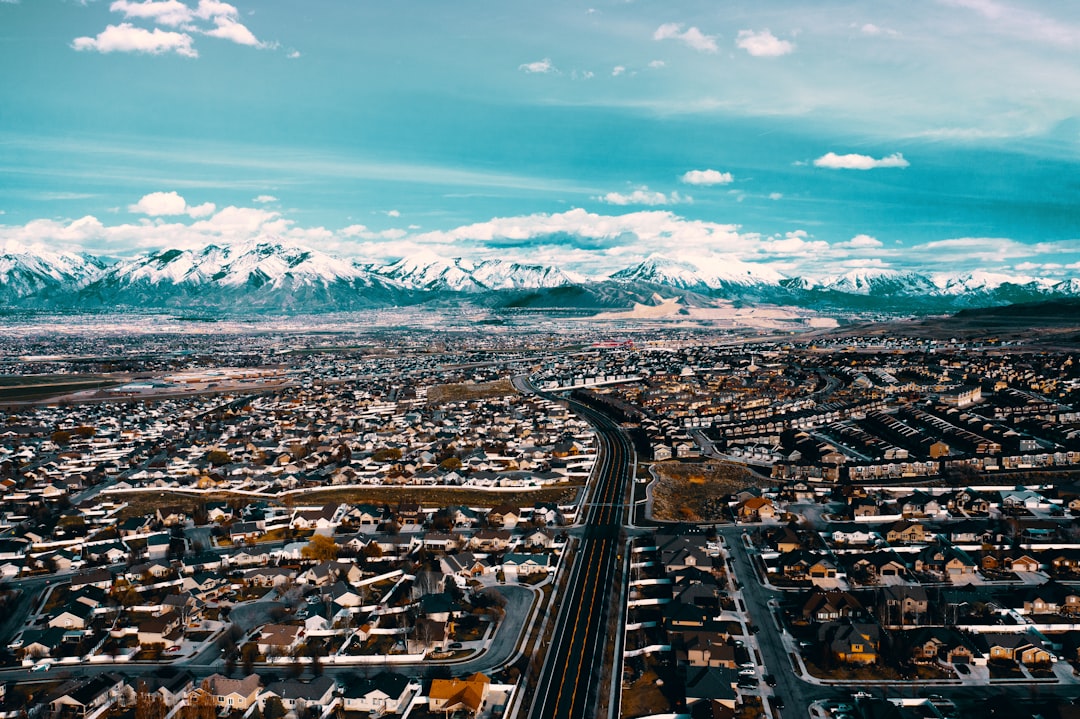 Photo by Michael Tuszynski on Unsplash
Here's what you need to know about the utah fsbo noise nuisance disclosure requirements before you accept an offer.
What Utah Law Actually Requires
Utah's seller disclosure obligations are governed by Utah Code § 57-27-101 et seq. and the Seller's Property Condition Disclosure (SPCD) form required in virtually every residential sale. Under that statute, sellers must disclose any known material defects — conditions that would materially affect the value of the property or the buyer's decision to purchase.
The SPCD form includes a section on neighborhood conditions. It specifically asks whether the seller is aware of:
- Noise sources (airports, freeways, railways, industrial operations)
- Odors or fumes from nearby facilities
- Any other condition in the neighborhood that would materially affect a buyer's decision
That last catch-all is the one sellers most often miss. If you're aware of a condition that would matter to a reasonable buyer, you're expected to disclose it — even if it's not explicitly listed on the form.
What Counts as a Disclosable Nuisance in Utah
Utah doesn't publish an official list of every nuisance type. But courts and practice have established that material means something a reasonable buyer would want to know before deciding whether to purchase. Consider disclosing the following:
Traffic and Transportation Noise
- Homes near I-15, I-80, or SR-201 in Salt Lake County may experience significant road noise
- Properties near the UTA FrontRunner commuter rail corridor in Davis, Salt Lake, and Utah County
- Homes within a few miles of Salt Lake City International Airport — or the growing St. George Regional Airport in Washington County — may be in noise impact zones
- In Ogden, proximity to Union Pacific rail lines that run through downtown Weber County
Commercial and Industrial Neighbors
- Properties near industrial operations in West Valley City, Murray, or the industrial corridors along Redwood Road
- Farming operations in rural Utah County, Sanpete County, or Box Elder County that generate noise, dust, or odor during certain seasons
- Quarry, mining, or gravel operations, which are not uncommon in Utah County and Carbon County
Recurring Seasonal or Community Noise
- If a neighbor regularly holds loud events or operates a business out of a residential property, that's worth disclosing
- Farms that spray or apply fertilizer annually — relevant in many Utah County and Cache County neighborhoods on the urban fringe
- Nearby recreational areas with significant traffic noise on weekends, like neighborhoods adjacent to canyon trailheads in Salt Lake and Utah County
Planned Infrastructure Projects
- If you're aware of a future road widening, new interchange, or major construction project near the property — such as the ongoing UDOT Bangerter Highway expansion or planned transit corridors — disclose it. Buyers purchasing near a quiet road today may be surprised by construction starting in six months.
What You Don't Have to Disclose
Utah does not require sellers to disclose conditions they don't actually know about. If you've never noticed noise from the rail line three blocks away because you sleep through it, that's different from knowing about it and choosing not to mention it.
You also don't have to speculate about what might happen. If there's no current nuisance, you're not obligated to warn buyers about hypothetical future noise.
However, a deliberate omission — staying quiet about a nuisance you know would affect a buyer's decision — is exactly the kind of thing that leads to post-closing disputes in Utah. The standard isn't whether you find the noise annoying. It's whether a reasonable buyer would want to know about it.
How to Handle Noise Disclosures on the Utah SPCD Form
The SPCD form asks several relevant questions. Answer them honestly and completely:
-
Section on Neighborhood Conditions: Mark "Yes" to any known nuisance. Add a description in the "Explain" field — be specific. "Property is approximately 0.3 miles from the FrontRunner station on 400 West; train passes approximately every 15 minutes during peak hours" is far more useful (and legally protective) than "near train."
-
Section on Physical Conditions Affecting Property: If noise or vibration has caused any physical impact on the property — like cracked stucco from nearby blasting or settling from nearby heavy rail traffic — that belongs here too.
-
Use the Additional Disclosures section: If there's something that doesn't fit neatly elsewhere, put it in the catch-all section. Err on the side of more disclosure, not less.
Document your disclosures. Once the buyer signs the SPCD acknowledging receipt, keep a copy. If they come back after closing claiming they weren't told about the airport noise, you want a signed document proving otherwise.
Noise Disclosures and Buyer Negotiations
Some sellers worry that disclosing noise sources will kill their deal. In most cases, the opposite is true. Buyers who find out about a nuisance after closing are far more dangerous than buyers who factor it in before signing.
If a buyer is bothered by the noise disclosure, they may:
- Negotiate a price reduction
- Ask for a contingency to visit the property during peak hours
- Walk away — which is their right
All of those outcomes are better than a buyer who closes, discovers the issue, and consults an attorney. Under Utah law, concealing a material defect can expose you to rescission of the sale, damages, or both — even years after closing if the buyer can show you knew and failed to disclose.
Practical Tips for FSBO Sellers
Do a noise audit of your own home. Walk through your property at different times of day and on weekends. Note anything you'd want to know if you were buying the house. If you've stopped noticing a noise, that doesn't mean a new buyer won't.
Research your neighborhood. Check whether your property is in a FAA noise impact zone using the Salt Lake City International Airport noise contour maps published by the city and airport authority. Properties in noise zones DNL 65+ are particularly relevant to disclose.
Check the Utah Division of Air Quality if your property is near industrial operations. Known odor complaints or air quality concerns in your area may be worth disclosing proactively.
Be specific and factual. "Neighbor occasionally plays loud music on weekends" is different from "neighbor runs a DJ business and regularly has amplified events until midnight on Fridays and Saturdays." The more specific you are, the harder it is for a buyer to claim you hid something.
Talk to your title company. When you work with a Utah title company to close your FSBO transaction, they can also help review your disclosure documentation as part of the closing process. See our guide to Utah FSBO disclosure checklists for a full overview of what's required.
What Happens If You Don't Disclose
Post-closing disputes over undisclosed nuisances are more common than sellers expect. The typical scenario: buyer moves in, discovers a significant noise source the seller knew about, and sends a demand letter claiming the seller committed fraud or negligent misrepresentation.
Under Utah Code § 57-27-301, sellers who make materially false statements or fail to disclose required information can be liable for:
- Actual damages (cost to address the issue, or diminution in value)
- Consequential damages in some cases
- Attorney fees if the buyer prevails in litigation
Utah courts have generally held that the seller's disclosure obligation is ongoing up until closing. If a new noise source pops up after you list but before you close — construction starting next door, for example — you should update your disclosure.
Summary: Noise Disclosure Checklist for Utah FSBO Sellers
Before you finalize your SPCD, run through this:
- [ ] Are you near a major highway, railroad, or airport? If yes, describe it.
- [ ] Are there any industrial, commercial, or agricultural operations within a half mile that generate noise, odor, or vibration?
- [ ] Has any neighbor generated consistent noise complaints during your time owning the property?
- [ ] Are there any planned infrastructure projects near your home that could significantly change traffic or noise levels?
- [ ] Has any noise or vibration source caused any physical impact on your property?
If the answer to any of these is yes, write it on the SPCD form. Be specific, be honest, and keep a copy.
Utah FSBO sellers who take disclosures seriously tend to have smoother closings and far fewer post-sale headaches. It's one of those areas where transparency genuinely protects you.
Ready to get started? Tyler offers a free 15-minute consultation — schedule yours at utahfsbohelp.com/contact.
Questions about your situation?
Book a free 15-minute call with a licensed Utah real estate attorney.
Book a Free ConsultationOr call/text: 801-725-3482