Selling a manufactured home without a realtor in Utah is entirely possible — but it's not the same process as selling a site-built house. Utah law treats manufactured homes differently depending on how they're titled, and if you don't understand that distinction before listing, you can end up with a contract that falls apart at closing.
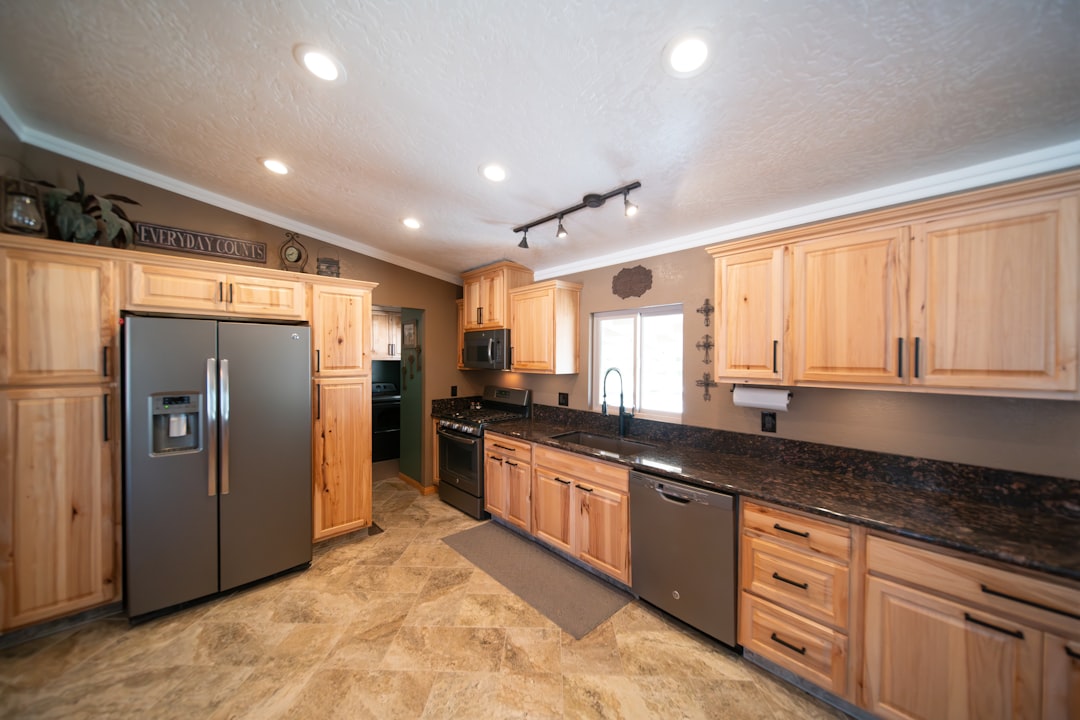 Photo by Brian Wangenheim on Unsplash
Real Property vs. Personal Property: The Most Important Distinction
In Utah, a manufactured home is titled either as real property or personal property, and this determines almost everything about how your sale works.
- Personal property: The home is still titled like a vehicle through the Utah Division of Motor Vehicles (DMV). This happens when the home sits on land you don't own (such as a rental lot in a manufactured home park), or when it was never converted to real property. The sale process resembles a vehicle title transfer.
- Real property: The home has been affixed to a permanent foundation on land you own, and you've completed the conversion process with the Utah Division of Real Estate and the county recorder. The sale works more like a traditional home sale using a Real Estate Purchase Contract (REPC). You may also need to attach addenda for items specific to manufactured homes — see our guide on how to use an addendum with the Utah REPC for details on when addenda are required.
Before you do anything else, confirm how your home is titled. If you're unsure, check with your county recorder's office or the Utah DMV. Getting this wrong — or signing a standard real estate purchase contract on a personal-property home — creates legal problems that can kill your deal.
Converting to Real Property Before Selling
If your manufactured home is currently titled as personal property but sits on land you own with a permanent foundation, you may want to convert it to real property before listing. Why? Because most conventional lenders won't finance a personal-property manufactured home, and that shrinks your buyer pool dramatically.
To convert in Utah, you'll generally need to:
- Obtain a title search to confirm no liens exist on the home
- File an Affidavit of Affixture with the county recorder
- Surrender the DMV title to eliminate the personal property designation
- Record the conversion with the county
This process varies slightly by county — Salt Lake County, Utah County, and Washington County each have their own recording requirements. A Utah real estate attorney can handle this efficiently and ensure the affixture paperwork is done correctly.
HUD Labels and Data Plates: You Must Have Them
Manufactured homes built after June 15, 1976, are required to display HUD certification labels — small metal plates mounted on the exterior of each section. Buyers' lenders (especially FHA and VA) will require these labels at closing.
If your HUD labels are missing, contact the Institute for Building Technology and Safety (IBTS) — the HUD contractor — to obtain a verification letter before you list. This can take several weeks and costs around $112 per label. Don't wait until you're under contract to address this.
Buyer Financing Challenges for Utah Manufactured Home Sales
This is where many Utah FSBO manufactured home sales stall. Buyer financing options are narrower than for site-built homes:
- FHA Title I and Title II loans: Available for manufactured homes on owned land but have strict foundation and HUD label requirements
- VA loans: Available for manufactured homes that are on a permanent foundation and titled as real property; strict inspection requirements apply
- Conventional financing: Generally requires the home to be permanently affixed, real property designated, and built to HUD code
- Chattel loans: Used for personal-property manufactured homes; higher interest rates and shorter terms — your buyer pool will be mostly cash or chattel-financed
Know your title status before marketing the home, because it determines what loan types buyers can use. Listing without this information wastes time for everyone.
Disclosures Specific to Manufactured Homes in Utah
Utah's standard Seller Property Condition Disclosure applies, but manufactured home sellers have additional disclosure considerations:
- Lot lease terms (if applicable): If the home is in a manufactured home community, disclose the lot rent, lease terms, and whether the park permits sale transfers. See How to Sell a Home in a Mobile Home Park FSBO for detailed park-specific guidance
- Foundation type: Buyers will ask; lenders will require confirmation of a permanent foundation for most loan types
- Age and HUD compliance: Homes built before 1976 do not meet HUD code and are ineligible for most conventional financing — disclose this clearly
- Tie-down and anchoring systems: Utah requires manufactured homes to be anchored per state installation standards; disclose the current condition
For a full list of disclosure requirements in Utah, see our Utah FSBO Disclosure Checklist.
Using a Utah Title Company for a Manufactured Home Sale
Whether your home is titled as real or personal property, use a licensed Utah title company to handle closing. For personal-property homes, the title company coordinates the DMV title transfer. For real property, they handle escrow, title insurance, and the deed transfer the same as a site-built home sale.
Do not attempt to handle the title transfer yourself or rely on a bill of sale alone — this creates a gap in the title chain that causes problems for the next owner.
Pricing a Manufactured Home in Utah's Current Market
Manufactured homes in Utah typically appraise and sell below comparable site-built homes, but the gap has narrowed in recent years — particularly in rural counties like Millard, Sanpete, and Juab, and in manufactured home communities in St. George, Ogden, and Provo where inventory is tight.
Pull comparable sales from MLS data (via a flat-fee MLS service or Zillow Offer comps) for manufactured homes in your area specifically. Site-built comps will mislead you. Focus on same community or similar lot/land configurations.
Ready to get started? Tyler offers a free 15-minute consultation — schedule yours at utahfsbohelp.com/contact.
Questions about your situation?
Book a free 15-minute call with a licensed Utah real estate attorney.
Book a Free ConsultationOr call/text: 801-725-3482