How much is your Utah home really worth? When you're selling FSBO (For Sale By Owner), pricing is everything. Set the price too high and you'll scare off buyers. Too low and you're leaving thousands on the table. This guide shows you exactly how to check your home value when selling FSBO in Utah.
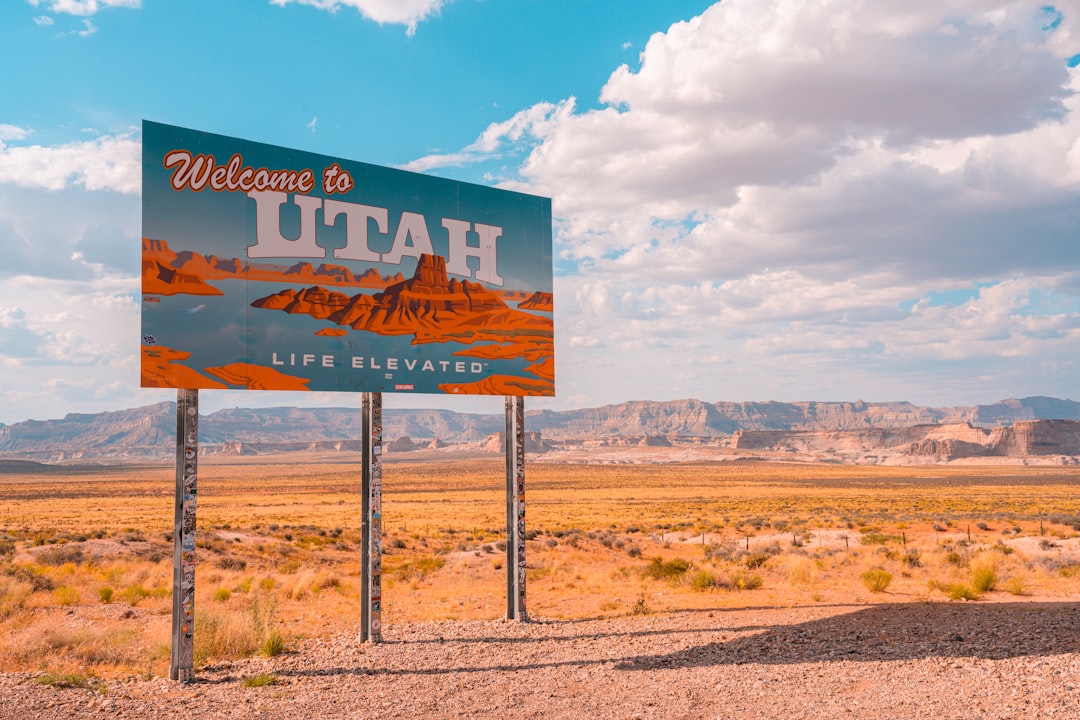 Photo by Arturo Rivera on Unsplash
Why Home Valuation Matters for Utah FSBO Sellers
When you hire a realtor, an agent brings comparable sales data and market expertise. As a FSBO seller, you're responsible for that research. The Utah real estate market is competitive but varies by county. A home in Salt Lake City sells differently than one in Ogden, Provo, or St. George.
Getting your price right immediately impacts success. Buyers see overpriced homes as red flags. In Utah, competitive pricing attracts multiple offers, especially in Salt Lake County and Davis County. This three-part valuation process ensures you arrive at a market-backed price.
Method 1: Use Free Online Home Valuation Tools
Your first step is understanding what online tools estimate. These aren't perfect, but they provide a baseline.
Zillow Zestimate: Zillow pulls property data and recent sales to estimate value. Go to Zillow.com, enter your address, and note the Zestimate range. Zillow discloses the margin of error (typically ±5% to ±20% for Utah homes).
Redfin Estimate: Redfin combines public records and recent sales. Their estimates tend to be conservative compared to Zillow. Check Redfin.com for a second opinion.
Realtor.com Home Value Estimate: This tool pulls MLS data directly. It's valuable because it uses active MLS information from Utah real estate professionals.
Tax Assessor Records: Utah County Assessor websites publish assessed values. Go to your county assessor online—Salt Lake County, Davis County, Utah County, etc. Assessed value is usually lower than market value but helpful.
Online tools base estimates on historical data and miss local factors like recent renovations or neighborhood improvements.
Method 2: Analyze Comparable Sales (Comps) in Your Utah Market
The most reliable valuation method for FSBO sellers is analyzing recent comparable sales—homes similar to yours that sold recently in your Utah area.
Where to find Utah comps: MLS listings on Zillow, Redfin, and Realtor.com; your county's public records; newspaper real estate sections; and Utah MLS public records.
What makes a good comp:
- Sold in the last 3–6 months
- Similar size (within 500 square feet of your home)
- Same neighborhood or nearby
- Similar condition and age
- Same bedroom/bathroom count
- Similar lot size
How to adjust for differences: If a comparable sold for $450,000 but had a finished basement and yours doesn't, subtract $15,000–$25,000. Conversely, add value for recent renovations.
Start with 5–8 comps. Find homes that sold recently in your neighborhood first. If that's tight, expand to your county. Salt Lake City offers plenty of recent sales. Rural Utah areas require broader searches.
Method 3: Get a Professional Appraisal or CMA
For maximum confidence, order a professional appraisal. Understanding how the appraisal process works in a Utah FSBO sale prepares you for what appraisers look at and what happens if the number comes in low. The appraisal cost ($300–$500) is worth factoring into your FSBO vs. agent commission calculation, since it's an investment you'll make alone as a FSBO seller. A Licensed Professional Appraiser in Utah will conduct thorough analysis and deliver a written report.
When to get an appraisal: Your home has custom renovations, you're unsure of your market, online estimates vary wildly, or you need documentation.
Comparative Market Analysis (CMA): A Utah real estate attorney can provide one for $100–$300. While not certified, a CMA is thorough and market-focused. If you're selling out of state and need someone to handle document signing, a Power of Attorney arrangement with an attorney can also cover valuation and market analysis work.
Common Utah Pricing Mistakes FSBO Sellers Make
Mistake 1: Overpricing based on emotion. Price based on closed sales, not hopes.
Mistake 2: Underestimating improvements. Recent kitchens, solar panels (make sure you also review Utah FSBO solar panel disclosure requirements if you have them), or finished basements add value. Adjust upward for recent comps with those features.
Mistake 3: Ignoring neighborhood differences. Salt Lake City commands premiums over less-developed areas. Schools, transit, and employment centers matter.
Mistake 4: Comparing to asking prices. Use closed sales, not active listings.
Mistake 5: Assuming self-adjusted numbers. Stick to documented comps and professional analysis.
How Utah Market Conditions Affect Pricing
Utah real estate markets shift seasonally and by county. Salt Lake County moves fastest—homes sell in days during spring. Cache County (Logan) and Utah County move slower. Washington County (St. George) attracts out-of-state retirees and differs accordingly.
Check how long homes sit in your area. If comps sell in 7 days, you have pricing power. If they sit 30+ days, pricing must reflect softer market dynamics.
Take Action Now
Gather 6–8 recent comps from your Utah neighborhood. Use Zillow, Redfin, and your county assessor as reference points. If numbers vary significantly, get a professional appraisal. Once you have three data points—online tools, comps, and professional analysis—you'll have pricing confidence.
Pricing right from day one attracts serious buyers and generates multiple offers. Don't guess. Use data. Once you've set your price, make sure your listing photos back it up — buyers judge photo quality before they ever click through to your price. And before you show, understand what buyer walkthroughs require in Utah so you're prepared.
Ready to get started? Tyler offers a free 15-minute consultation — schedule yours at utahfsbohelp.com/contact.
Questions about your situation?
Book a free 15-minute call with a licensed Utah real estate attorney.
Book a Free ConsultationOr call/text: 801-725-3482