If your Utah home is in a homeowners association, you're legally required to provide a utah fsbo hoa resale certificate before closing — regardless of whether you use a realtor. Sellers who skip this step or deliver an incomplete certificate can face delayed closings, buyer cancellations, and even liability after the fact. Here's exactly what the resale certificate must contain, how to get it, and what happens if the HOA doesn't cooperate.
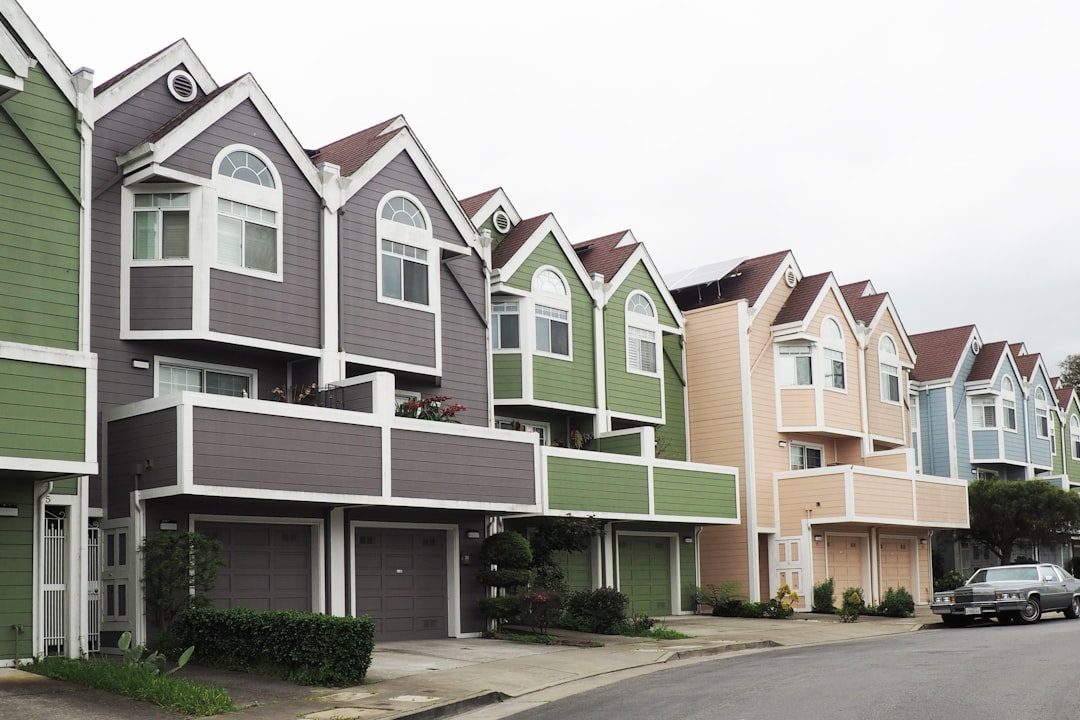 Photo by Marcus Lenk on Unsplash
What Is an HOA Resale Certificate in Utah?
A resale certificate (sometimes called a "resale disclosure packet") is a document package prepared by your HOA that gives the buyer a complete picture of the association's financial health and the rules governing the property. In Utah, this is required under the Utah Community Association Act (Utah Code § 57-8a-413) for planned communities, and under the Utah Condominium Ownership Act (Utah Code § 57-8-13.1) for condominiums.
The law requires sellers to provide the resale certificate no later than the time specified in the purchase contract — or, if no date is specified, at least three business days before closing. Understanding earnest money deadlines is equally critical, as they govern your financial protections during this period. Buyers who don't receive a proper certificate can rescind the contract within three business days of receiving it, or three business days before closing, whichever is later.
This is one area where FSBO sellers must be proactive. The HOA management company typically prepares the certificate, but it's the seller's responsibility to request it — and to pay the fee.
What the Utah HOA Resale Certificate Must Include
Under Utah law, the resale certificate must contain all of the following:
- Current and past-due assessments owed by the seller, including any special assessments that have been levied
- Pending special assessments that have been voted on but not yet billed
- Reserve fund balance and the most recent reserve study, if one has been completed
- Current operating budget of the HOA
- A copy of the association's governing documents: CC&Rs, bylaws, rules and regulations, and any architectural guidelines
- Any pending litigation involving the HOA
- Any known violations on the seller's unit or lot that have not been resolved
- Transfer fees and move-out fees the association will charge at closing
- Insurance certificate showing the association's master policy coverage
Some HOA management companies bundle all of this into a single PDF packet. Others deliver documents piecemeal. Either way, the seller is responsible for ensuring the buyer has everything on the list.
How Much Does an HOA Resale Certificate Cost in Utah?
HOAs in Utah can charge a fee to prepare the resale certificate. Utah Code § 57-8a-413(4) caps this fee at a reasonable amount, but in practice most Utah HOA management companies charge between $200 and $400. Some larger Salt Lake County and Utah County communities managed by companies like Advantage Property Management or Action Management charge on the higher end of that range.
A few important fee notes:
- The fee is paid by the seller in almost all cases
- If you request the certificate and then the deal falls through, you typically don't get a refund
- Rush fees apply — if you need the certificate within 3–5 business days instead of the standard 7–10 days, expect to pay an additional $50–$150
Factor this cost into your Utah FSBO closing cost breakdown when calculating your net proceeds.
How to Request the Resale Certificate as a FSBO Seller
You don't need an agent to request the resale certificate. Here's the process:
-
Identify your HOA management company. This is listed in your CC&Rs or on your monthly statement. If you've lost the paperwork, check the Utah Division of Real Estate's database or search Utah's business entity registry for your HOA's registered agent.
-
Contact the management company directly. Most have an online portal or email address for resale certificate requests. Provide your property address, anticipated closing date, and buyer information if required.
-
Pay the fee upfront. Most management companies won't start the preparation until payment is received.
-
Track the timeline. Utah law gives HOAs 10 business days to deliver the certificate after a request. If your closing is in three weeks, request it immediately. Don't wait until you're under contract.
-
Review the certificate before delivering it to the buyer. Make sure any outstanding balances listed are accurate. If you've paid assessments that still show as due, get a written confirmation from the HOA before closing.
What Happens If the HOA Resale Certificate Is Incomplete or Late?
If you deliver an incomplete certificate: The buyer's three-day rescission clock doesn't start until they receive all required documents. An incomplete packet can effectively extend the buyer's cancellation window all the way to closing — a significant risk in any transaction.
If the HOA fails to deliver on time: This is more common than sellers expect, particularly with self-managed HOAs in rural Utah counties like Sanpete or Millard. If the HOA misses the 10-business-day deadline, Utah law provides that the buyer may proceed to closing without the certificate and assume no liability for undisclosed assessments — but the seller may still be liable for any assessments the HOA later claims.
If the buyer cancels: Utah REPC Section 8.1 gives buyers the right to review HOA documents and cancel within the due diligence period. A problematic resale certificate — one showing large pending special assessments, underfunded reserves, or active litigation — is a common reason buyers walk.
Special Assessments: The Biggest Deal-Killer in Utah HOA Sales
The item that kills more Utah HOA sales than anything else is the pending special assessment. If your HOA is planning to levy a special assessment for, say, roof replacement on a Draper condominium complex or new infrastructure in a St. George planned community, the buyer will see it in the resale certificate.
As a FSBO seller, you have a few options when a pending special assessment exists:
- Credit the buyer at closing for the estimated cost of the assessment
- Pay the assessment in full before closing if the HOA allows early payment
- Price the property accordingly to reflect the upcoming cost
- Disclose and negotiate — some buyers will accept a property with a known assessment if the price reflects it
Do not attempt to hide a pending special assessment. Utah's seller disclosure law requires disclosure of all known material defects and conditions, and a large pending assessment qualifies. Buyers who discover an undisclosed assessment after closing have grounds for legal action.
HOA Violations: What Sellers Must Disclose
The resale certificate will also show any open HOA violations on your property — things like an unapproved fence, unpermitted shed, or landscaping that doesn't meet association standards. Before listing your home FSBO, it's worth requesting an informal status check from your HOA to see if any violations are on file.
Resolving violations before listing gives you a cleaner certificate, a smoother transaction, and avoids surprise renegotiations after the buyer reads the certificate.
Condominiums vs. Planned Communities in Utah
The resale certificate requirements are slightly different depending on your property type:
| Property Type | Governing Statute | Certificate Required | |---|---|---| | Condominium | Utah Code § 57-8 | Yes — full financial packet | | Planned community/HOA | Utah Code § 57-8a | Yes — full financial packet | | Home in a non-mandatory HOA | Varies | No legal requirement, but disclose any existing dues/liens |
If your Utah home is in a covenant-restricted subdivision with no active HOA collecting dues, there may be no certificate requirement — but you should still disclose the covenants in your seller's disclosure form. Check with your county recorder's office if you're unsure whether your property is subject to recorded covenants.
Practical Tips for FSBO Sellers in Utah HOA Communities
- Request the certificate the day you accept an offer. Don't wait for the buyer to ask for it.
- Keep a copy for your records. Disputes about what was disclosed can arise months after closing.
- Build the HOA fee into your seller's net sheet. It's a real closing cost that often surprises FSBO sellers.
- Coordinate with your title company. RH Title and other Utah title companies routinely handle HOA payoff coordination at closing — they'll contact the HOA directly to get a final payoff number for any dues or assessments owed as of the closing date.
- Check for transfer fees separately. Some Utah HOAs charge both a resale certificate fee (to prepare documents) and a separate transfer fee (to update their records at closing). These are two different charges.
What FSBO Sellers in Salt Lake, Utah, and Washington Counties Should Know
The resale certificate requirement applies statewide, but enforcement and process vary by county:
- Salt Lake County — Most communities are professionally managed. Expect 7–10 business day turnaround and fees in the $250–$350 range.
- Utah County (Provo, Orem, Lehi, Saratoga Springs) — Fast-growing communities often have recently formed HOAs. Some are still self-managed with less organized paperwork.
- Washington County (St. George area) — High HOA density due to resort and retirement communities. Many have well-organized management companies but also higher fees.
- Davis and Weber Counties — Mix of older subdivisions with minimal HOA requirements and newer communities with full management.
Ready to get started? Tyler offers a free 15-minute consultation — schedule yours at utahfsbohelp.com/contact.
Questions about your situation?
Book a free 15-minute call with a licensed Utah real estate attorney.
Book a Free ConsultationOr call/text: 801-725-3482