If your Utah home sits inside a homeowners association, you have a separate layer of disclosure obligations that go well beyond the standard Seller Property Condition Disclosure. Most FSBO sellers underestimate this. They hand over the CC&Rs, call it done, and move on. That's not enough — and in competitive markets like Salt Lake County, Utah County, and Washington County, a buyer's agent will often push hard on incomplete HOA packages.
This guide covers the utah fsbo hoa disclosure requirements: what you must provide, when to deliver it, and what happens if you get it wrong.
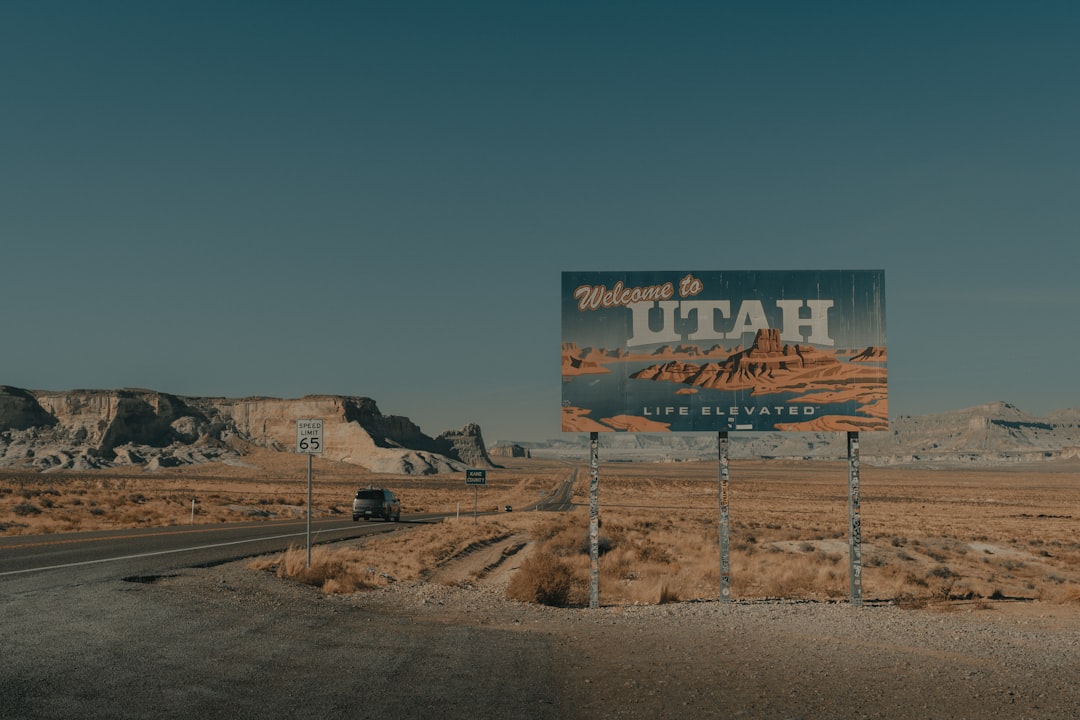 Photo by Clay Banks on Unsplash
Why HOA Disclosure Matters More in Utah
Utah has one of the highest HOA density rates in the country. The rapid development in St. George, South Jordan, Eagle Mountain, Lehi, and Saratoga Springs means that a large percentage of homes sold each year — including FSBO sales — are inside planned communities with active HOAs.
Utah Code §57-8a governs community association disclosures. For FSBO sellers, this isn't optional or just a courtesy. Failure to provide required HOA documents can give a buyer grounds to walk away from the deal — or come back after closing with a damages claim.
What You Are Required to Disclose
The Governing Documents
At minimum, you must provide the buyer with:
- CC&Rs (Covenants, Conditions & Restrictions) — the foundational rulebook for the community
- HOA Bylaws — how the association is governed
- Rules and Regulations — any adopted rules beyond the CC&Rs (pet policies, parking, landscaping standards)
- Architectural Control Guidelines — especially relevant if you've made exterior improvements
If you don't have current copies, contact your HOA management company directly. For self-managed HOAs — common in smaller communities in rural Utah counties like Duchesne or Sanpete — you may need to reach out to the board president.
Financial Documents
This is where most FSBO sellers fall short. Buyers (and their agents) want to know the HOA is financially healthy before they commit to a purchase. You should provide:
- Most recent budget — current year operating budget
- Reserve study or reserve fund balance — how much is set aside for major repairs (roofs, parking lots, amenity facilities)
- Meeting minutes — from the most recent annual meeting and any special meetings in the past 12 months
- Pending special assessments — any upcoming fees that will be levied on all homeowners
A thin reserve fund is a red flag to buyers. If your HOA has $40,000 in reserves but is responsible for maintaining $600,000 worth of infrastructure, that becomes a negotiating point — or a deal-killer. Disclose it upfront rather than having it surface mid-diligence.
Pending Litigation or Violations
You must disclose:
- Any pending or threatened litigation involving the HOA (for example, a lawsuit against the developer or a contractor)
- Outstanding violations on your specific unit or lot — unpaid fines, unresolved architectural violations, or pending enforcement actions
Outstanding violations are particularly important. If the HOA has a lien against your property for unpaid assessments, that will surface at closing through the title search — similar to other title issues that can cloud your sale. Disclosing it early avoids the surprise at the settlement table. If your buyer is planning exterior changes or modifications, also make sure to discuss HOA approval requirements for changes.
When to Deliver the HOA Package
The Utah REPC doesn't include a separate HOA deadline by default, but the Seller Disclosure Deadline in Section 6 typically covers all disclosures — including HOA documents. That deadline is usually 3–5 days after contract signing.
Practical advice: assemble your HOA package before you list, not after you're under contract. Buyers are making offers in active markets in Salt Lake Valley and Utah Valley in days, sometimes hours. Having the HOA documents ready lets you hand them over immediately — which can accelerate due diligence and reduce the chance of the buyer extending deadlines or walking.
For a full breakdown of Utah REPC deadlines and what happens at each stage, see our guide to what happens after you sign the Utah REPC.
What Happens If You Don't Disclose Properly
Incomplete HOA disclosure is one of the more litigated issues in Utah residential real estate. Common scenarios:
- Buyer discovers a special assessment after closing that was approved but not disclosed. Buyer sues for the amount of the assessment.
- Pending HOA litigation wasn't disclosed. Buyer's lender later flags it and the buyer has trouble refinancing or selling.
- Outstanding violations on the lot weren't shared. Buyer inherits them at closing and is responsible for compliance.
Under Utah's disclosure framework, sellers are responsible for disclosing what they know. If you received a notice from the HOA about a violation or a pending assessment, you knew about it — and that knowledge creates an obligation to disclose.
FSBO Sellers and HOA Estoppel Letters
When you sell in an HOA, the title company handling your closing will typically request an HOA estoppel letter — a formal statement from the HOA confirming the current standing of your account: what you owe, whether there are any outstanding violations, and the current monthly dues.
This is separate from what you provide to the buyer. The estoppel is ordered by the title company and confirms the facts as of a specific date. You should still provide the full document package directly to the buyer during due diligence — don't rely on the estoppel letter to serve that purpose.
The Right Approach: Be Thorough Early
Selling FSBO in an HOA community doesn't have to be complicated. The sellers who run into problems are almost always the ones who underestimated this step. Gather your HOA documents at the start of your listing prep, disclose everything you know about violations or assessments, and deliver the full package promptly when you're under contract.
If you're unsure what your HOA has on file — or if the HOA is unresponsive — that's worth resolving before you accept an offer. A buyer who discovers a complicated HOA situation mid-diligence is far more likely to renegotiate or cancel than one who reviewed the full package upfront.
For more on the broader disclosure requirements when selling FSBO in Utah, see our complete guide to Utah seller disclosure.
Ready to get started? Tyler offers a free 15-minute consultation — schedule yours at utahfsbohelp.com/contact.
Questions about your situation?
Book a free 15-minute call with a licensed Utah real estate attorney.
Book a Free ConsultationOr call/text: 801-725-3482