When you're selling your home FSBO in Utah, one of the most overlooked disclosure requirements involves easements — and that oversight can cost you thousands or land you in legal trouble. As a Utah real estate attorney who works with FSBO sellers daily, I've seen deals fall apart because sellers failed to disclose easements they didn't even know existed on their property.
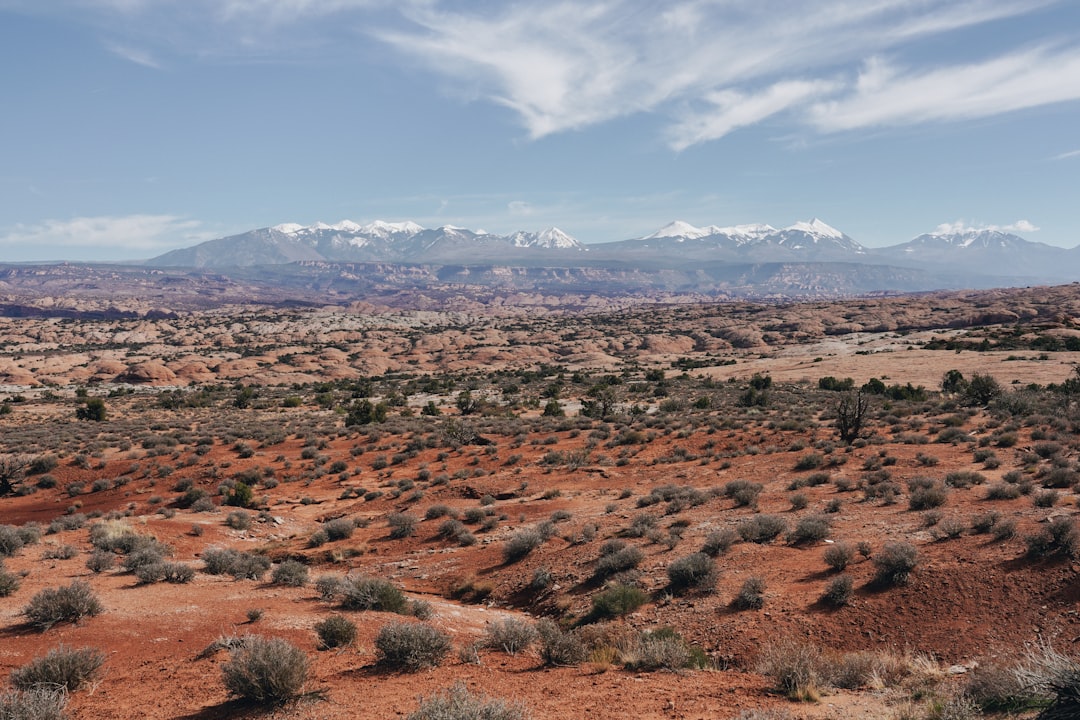 Photo by Moriah Wolfe on Unsplash
What Is an Easement?
An easement is a legal right that allows someone else to use a portion of your property for a specific purpose. You still own the land, but someone — a utility company, neighbor, or government entity — has the right to access or use it under certain conditions.
Think of it this way: you have the deed and pay the taxes, but an easement holder can cross your property, place equipment on it, or maintain infrastructure there. In Utah FSBO transactions, easements are one of the most material facts that buyers have the right to know about.
Common Types of Easements You'll Find in Utah
If you're selling FSBO in Utah, here are the easements most likely to affect your property:
- Utility easements: For power lines, natural gas lines, water lines, and sewage. These are incredibly common and often run down the side or back of residential properties.
- Drainage easements: Allow water to flow across your property or allow others to access drainage infrastructure.
- Access easements: Give neighbors or public entities the right to cross your land to reach their property.
- Agricultural easements: In rural Utah counties (Davis, Summit, Sanpete), these preserve land in agricultural use.
- Conservation easements: Restrict development to protect environmental or historical value.
- Reciprocal easements: Common in condominiums or planned communities where multiple owners share rights.
Utah's Disclosure Rules for FSBO Sellers
Utah law requires sellers to disclose known easements. The specific duty comes from:
- Utah Code § 57-1-1 et seq. — The Residential Real Property Conditions Disclosure Act. While this focuses on property condition, it encompasses major encumbrances like easements that materially affect value.
- The Utah REPC (Real Estate Purchase Contract) — Section 2.2.4 specifically references easements and title exceptions. If you're using the standard REPC in your FSBO sale (and you should be), you're required to disclose all known easements.
- Title commitment: Your title company will uncover most recorded easements during the title search. You're required to disclose these to the buyer.
The key word is "known." You're not liable for easements you genuinely didn't know about, but you are liable for ones that appear in the title work or ones you should reasonably know about.
How to Find Easements on Your Utah Property
Before you list, research your property thoroughly:
- Title search: Order a preliminary title commitment from a Utah title company. This will show all recorded easements. Cost: $200-$400, well worth the education.
- Plat map: Visit your county recorder's office or search online. Utah county websites have digitized plat maps showing easement locations.
- County assessor: Look for utility or drainage easement notation on the property record.
- Walk your property: Note visible utility poles, junction boxes, drainage markers, or signs indicating others' right to access.
- Neighbor inquiries: Ask if neighbors know of any shared access rights or informal agreements.
Why Buyers Care About Easements
Easements affect property value and buyer decisions more than many FSBO sellers realize:
- Utility easements can restrict where you place a deck, shed, or pool.
- Drainage easements may make part of your yard unsuitable for landscaping.
- Access easements mean neighbors or utility crews can cross your land.
- Agricultural or conservation easements permanently restrict development potential — buyers pay significantly less for these.
A buyer with a mortgage lender will face scrutiny from underwriters who see easement restrictions. Some easements are minor and don't affect the deal. Others are deal-killers.
What You Must Disclose
In a Utah FSBO transaction, you must disclose:
- All recorded easements — anything that shows up in the title work.
- Easements you're aware of — even if not recorded (informal access agreements with neighbors, for example).
- Restrictions on use — if an easement prevents building, parking, or landscaping in certain areas, say so.
- History of use — if a utility company regularly accesses an easement, that's material to disclose.
The safest approach: show the buyer a copy of the title commitment and plat map so they can see exactly what easements affect the property. Don't editorialize or minimize — just present the facts.
Common FSBO Seller Mistakes with Easements
I've seen FSBO sellers make these costly errors:
- Not ordering a title search before listing — so they don't know what easements exist.
- Assuming "nobody uses it" — doesn't matter. The right to use is what counts.
- Failing to disclose easements not in their name — if it's on the title, you must disclose it.
- Misrepresenting easement impact — saying "it won't affect anything" when it materially restricts use.
- Disclosing too late — easement disclosure must happen early, typically in the listing information and certainly before the purchase agreement is signed.
Step-by-Step: Disclosing Easements in Your FSBO Sale
Here's how to handle it correctly:
- Order a title commitment before listing. This costs $200-$400 and shows what your buyer will discover anyway.
- Document all known easements in writing, including type, location, and any known restrictions.
- Include easement disclosures in all marketing materials (Craigslist, Zillow, Facebook, etc.).
- Provide the title commitment and plat map to any interested buyer before they make an offer.
- Reference easements in the REPC (Section 2.2.4) — don't leave it blank or vague.
- Allow the buyer's attorney or title company to explain the easement impact. Don't try to downplay it.
Utah-Specific Easement Considerations
Rural Utah properties (especially in counties like Uintah, Rich, Daggett) often carry old agricultural easements or water rights easements. These are complex and require review by a title company familiar with rural Utah.
Flood plain easements are common in Utah counties along the Provo River, Jordan River, and Bear River. These restrict building and require disclosure.
HOA-managed easements are standard in Utah planned communities. If your property is in an HOA (Davis County subdivisions are common), reciprocal easements are implicit, and you must disclose the HOA's authority to enforce them.
Utility easements in new Utah subdivisions (Lehi, Pleasant Grove, Draper) are standard. Most buyers expect them, but you still must disclose them explicitly.
What Happens If You Don't Disclose an Easement
Failure to disclose a material easement in a Utah FSBO sale can result in:
- Rescission — the buyer backs out and you lose the sale (even after closing).
- Price reduction — buyer renegotiates based on discovered easement.
- Litigation — buyer sues for damages including appraisal reduction, inspection costs, and attorney fees.
- Title insurance issues — the lender won't fund the loan until easement is resolved.
You are liable for known easements you failed to disclose, even in a FSBO transaction.
FAQs on Easement Disclosure in Utah FSBO Sales
Q: Does an easement reduce my home's value?
A: Usually not significantly for typical utility easements. But agricultural, conservation, or significant access easements can reduce value 5-15%. Disclose the easement and let the market decide.
Q: Can I remove an easement before selling?
A: Generally no. Utility and government easements are permanent. You might negotiate modification with the easement holder, but it's rare and expensive. Disclose it as-is.
Q: What if I don't know about an easement?
A: Order a title search. The title company will find recorded easements. If an easement exists but isn't recorded (rare), you're obligated to disclose it if you know about it. If you genuinely don't know, document that you conducted a diligent search.
Q: Does the buyer have an inspection period to discover easements?
A: Yes. In the Utah REPC, the buyer has a due diligence period (typically 10-15 days) to investigate title, easements, and encroachments. Use that time to proactively provide documentation.
Easements are just one part of the full disclosure picture. If you want a complete overview of all requirements, including zoning, water rights, and radon, see Utah FSBO Zoning Disclosure: What Sellers Need to Know for another key area that FSBO sellers frequently miss. For properties on private onsite wastewater systems, also review Utah FSBO septic system disclosure requirements.
Key Takeaway for Utah FSBO Sellers
Disclosing easements isn't about liability — it's about trust. Buyers expect transparency. When you proactively show them the title work and explain easements clearly, you build confidence. When you hide or minimize them, you signal dishonesty and invite legal trouble.
Order a title commitment early. Know what's on your property. Disclose it in writing. Provide the documentation. Move forward confidently.
The extra $300 you spend on a title search before listing is the cheapest insurance you'll buy in your FSBO transaction.
Ready to get started? Tyler offers a free 15-minute consultation — schedule yours at utahfsbohelp.com/contact.
Questions about your situation?
Book a free 15-minute call with a licensed Utah real estate attorney.
Book a Free ConsultationOr call/text: 801-725-3482