One of the more common requests FSBO sellers receive in Utah is early possession — a buyer asking to move in or store belongings in the property before the closing date arrives. On the surface, it seems like a harmless accommodation. In practice, it's one of the riskiest things you can do as a Utah FSBO seller dealing with utah fsbo early possession buyer move in before closing.
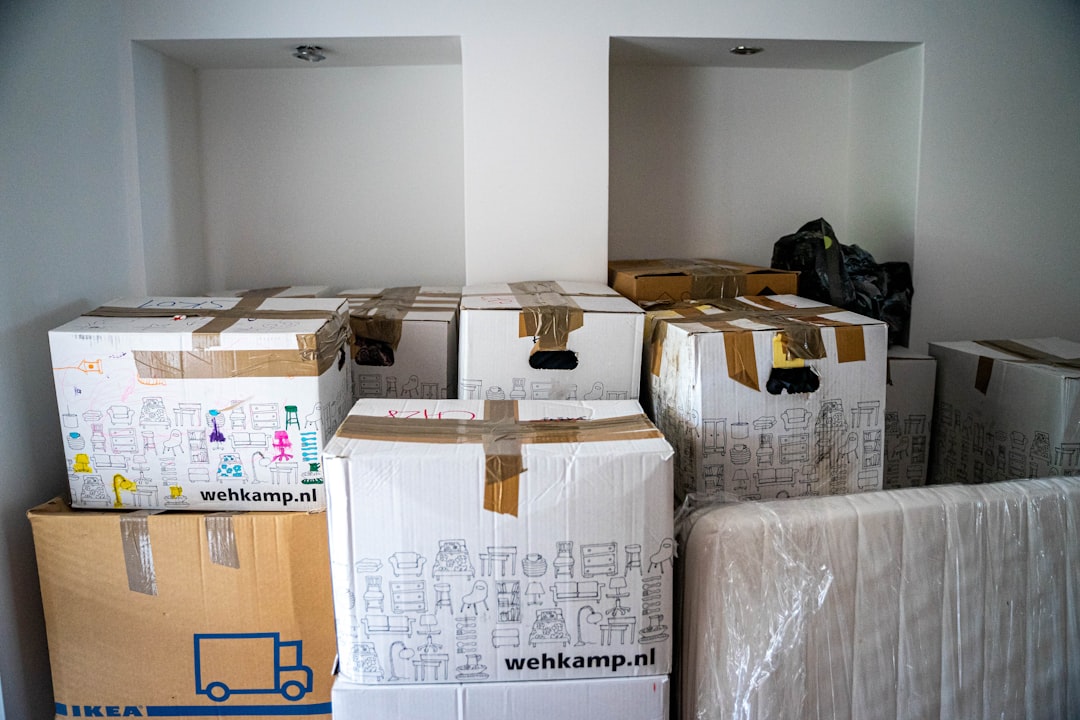 Photo by Michal Balog on Unsplash
Why Buyers Ask for Early Possession
Buyers typically request early possession for one of a few reasons:
- Their current lease ends before the closing date and they need somewhere to go
- They're moving from out of state and coordinating logistics is complicated
- They want to start renovations early to avoid delays after close
- A seller has already vacated and the buyer sees no reason to wait
All of these reasons make sense from the buyer's perspective. But none of them change the fact that you still own the property. Until the deed is recorded, you carry the legal exposure.
What Utah Law Says About Early Possession
Utah doesn't have a specific statute that governs early possession agreements in residential real estate sales, but the Utah Real Estate Purchase Contract (REPC) does address occupancy and possession. By default, the REPC transfers possession at closing or funding — not before.
If a buyer wants to move in early, you need a written Early Occupancy Agreement (also called a Pre-Closing Occupancy Agreement) that is separate from, or an addendum to, the REPC. A handshake or text message isn't sufficient. Without a written agreement specifying rent, liability, and termination rights, you have almost no legal protection if something goes wrong.
Key terms any early possession agreement should include:
- Daily rental rate: Charge rent — even if nominal — to establish a landlord-tenant relationship that gives you legal standing if you need to remove the buyer
- Liability for damage: The buyer should be responsible for any damage to the property that occurs during early occupancy
- Termination clause: What happens if the deal falls through? How many days does the buyer have to vacate?
- No alterations: Prohibit the buyer from making any changes to the property before they actually own it
- Insurance requirements: Require the buyer to carry renters insurance naming you as an additional interested party
The Biggest Risk: The Deal Falls Through
Here's the scenario that should keep you up at night. A buyer moves in early. Then, two weeks before closing, their financing falls through — or they discover something during the final walkthrough they don't like and invoke a contingency. Now you have:
- A buyer living in your home who doesn't want to leave
- A property that's functionally unavailable for other buyers
- A potential eviction process under Utah landlord-tenant law
Utah eviction law requires proper notice and a court process. Even if your early occupancy agreement has a clear termination clause, removing someone from your home who has physically moved in can take weeks and cost money in legal fees. In Davis County, Salt Lake County, and Utah County, eviction filings run through the district courts, and uncontested cases typically take three to four weeks from filing to writ of restitution — assuming the buyer doesn't contest.
Insurance Exposure You Might Not Know About
Your homeowner's insurance policy almost certainly does not cover a third party occupying your home before closing. Most policies define the insured occupant as you, the owner. If the buyer causes a fire, floods a bathroom, or injures a contractor they brought in to plan renovations, your insurer may deny the claim — or subrogate against the buyer in a way that delays your closing further.
Before agreeing to early possession, call your insurance agent and ask explicitly: "If a buyer moves in before closing and causes damage, am I covered?" Most sellers are surprised by the answer.
You should also confirm whether the buyer's lender permits it. Some loan programs — particularly FHA and VA loans common in Utah's market — have restrictions on pre-closing occupancy that can jeopardize the buyer's financing.
How to Protect Yourself If You Agree to Early Possession
Sometimes early possession makes strategic sense — particularly if the buyer is waiving contingencies or paying a premium. If you decide to proceed, protect yourself:
- Use a written Early Occupancy Agreement reviewed by a Utah real estate attorney before it's signed
- Collect a refundable deposit separate from earnest money — at least one month's equivalent rent — held by the title company
- Require the buyer to maintain renters insurance and provide you with proof before occupancy begins
- Set a per-day rental rate to deter indefinite possession
- Keep a record of the property's condition with photos or video taken immediately before occupancy
- Coordinate with your title company — RH Title and similar Utah-based title companies can hold early possession deposits in escrow and handle termination disbursements if the deal falls apart
Understand that once someone is physically in your home with belongings, the dynamic of your transaction changes. Buyers who are already living in the property can feel more empowered to renegotiate terms, request additional repairs, or delay closing without consequence.
When to Say No
In most Utah FSBO situations, the cleanest answer to a request for early possession is no. Offer flexibility on the closing date instead — talk to your title company about expedited scheduling, or negotiate a post-closing leaseback if your own move-out timeline is the issue.
If you've already vacated the property, the temptation to let the buyer in early is understandable. But "the house is just sitting there empty" doesn't reduce your legal exposure. It increases it, because an occupied home that doesn't close creates eviction complications that an empty home does not.
For more on how possession dates work within the Utah REPC and how to structure them correctly, see our guide to understanding the Utah FSBO possession date.
Ready to get started? Tyler offers a free 15-minute consultation — schedule yours at utahfsbohelp.com/contact.
Questions about your situation?
Book a free 15-minute call with a licensed Utah real estate attorney.
Book a Free ConsultationOr call/text: 801-725-3482