When you close on your Utah FSBO home sale, the transaction doesn't simply end. Smart sellers understand that keeping detailed records protects them from future disputes, tax audits, and legal claims. If you're selling your home without a realtor in Utah, knowing exactly which documents to retain—and for how long—is critical.
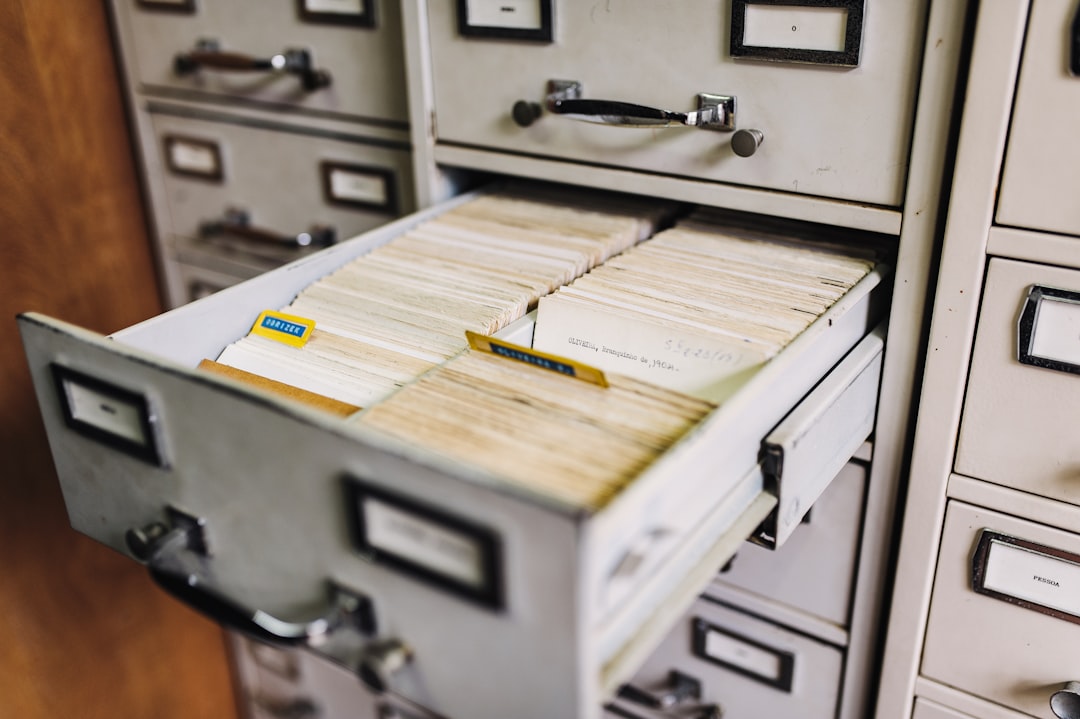 Photo by Micah Williams on Unsplash
Why Document Retention Matters for Utah FSBO Sellers
After closing, buyers sometimes discover issues they claim weren't disclosed. Title problems can emerge years later. Tax authorities may question deductions or your adjusted basis calculation. Utah courts have ruled that sellers are responsible for retaining proof of disclosures, repairs, and condition at time of sale.
Retaining proper documentation gives you a legal defense. It also streamlines your personal taxes—particularly for capital gains calculations, depreciation schedules if you owned rental property, and documentation of any home improvements.
Essential Closing Documents to Keep Permanently
Keep indefinitely:
- Closing Statement (HUD-1 or Closing Disclosure)—Shows all costs, credits, and final numbers. Utah title companies prepare this. Never discard it.
- Warranty Deed—Your proof of sale and the buyer's proof of ownership. Essential for your records.
- Settlement Statement from Utah Title Company—Details all money flows, taxes, and final closing figures.
- Purchase Agreement (Utah REPC)—The binding contract between you and the buyer. Protects you if disputes arise about terms.
Utah-Specific Disclosures to Retain Long-Term
Utah state law (particularly the Utah Real Estate Practices Act) requires sellers to make specific disclosures. Keep copies of:
- Property Condition Disclosure—Shows what condition the home was in when you listed it. Critical if the buyer later claims hidden defects. Learn more about what happens if you fail to disclose a material defect in Utah.
- Lead-Based Paint Disclosure—If your home was built before 1978, this federal requirement applies. Retain proof you delivered it.
- HOA Resale Certificate and Disclosures—Many Utah neighborhoods, especially in Salt Lake County, Davis County, and Washington County, require HOA documentation. Keep this permanently.
- Radon Disclosure—Utah properties may require radon testing disclosures. Retain test results and disclosure forms.
- Water Rights Disclosure—Utah properties in rural or secondary water areas must disclose water arrangements. This is critical in Summit County, Wasatch County, and agricultural areas.
Home Improvement and Capital Gains Documentation
Retain receipts and documentation for at least 6 years after closing:
- Contractor invoices for renovations
- Permits from county and city building departments (especially important in Utah, where counties track permit records)
- Before-and-after photos of major repairs
- Appliance receipts and warranty transfers
- Roof, HVAC, foundation, and plumbing work records
Why? The IRS uses these to verify your adjusted basis calculation. If you improved your home substantially, you can reduce your capital gains tax in Utah. But you need documentation.
Inspection and Repair-Related Records
Keep for at least 3-5 years:
- Pre-listing inspections showing the home's condition
- Repair invoices if you made repairs after inspection
- Email chains with the buyer about repairs or credits
- Photos or videos you took of condition issues
- Any amendments or addendums to the REPC related to repairs
Utah buyers often pursue claims months or even years after closing, alleging undisclosed defects. Your documentation proves what you disclosed and when.
Title and Legal Records
Retain indefinitely:
- Title search results from your Utah title company (for what these documents mean, see Utah FSBO Title Commitment Review)
- Title insurance policy
- Any title exceptions or disclosures provided
- Proof of lien payoffs (especially if you had a mortgage with a Utah bank)
- Promissory notes or seller financing agreements, if applicable
Utah has strong homeowner protections but also strict title law. If a title defect emerges after closing, your records prove whether you disclosed it.
Tax and Financial Records
Retain for at least 7 years:
- 1099-S form (if issued by your title company)
- Any correspondence with the IRS about the sale
- Basis calculation worksheets
- Documentation of selling expenses (realtor fees if paid, advertising, signs—though most FSBO sellers don't have these)
Utah has no state capital gains tax, but federal reporting is required if your gain exceeds $250,000 (single) or $500,000 (married filing jointly).
Digital Backup and Organization
Utah summers can damage paper documents. Create:
- Digital scans of all original documents (use a document scanner or smartphone app)
- Password-protected cloud backup (Google Drive, OneDrive, Dropbox)
- Labeled folders organized by category: Closing, Disclosures, Inspections, Repairs, Tax
Store original paper copies in a fireproof safe or safe deposit box at a Utah credit union or bank.
When You Can Discard Documents
After the retention periods listed above, most documents can be safely shredded. However, never discard:
- Warranty deed
- Closing statement
- Utah title insurance policy
- Tax documentation tied to basis or capital gains (keep 7+ years from closing)
Ready to Get Started?
If you're preparing to close on your Utah FSBO home, having organized documents from day one makes retention simple. Tyler offers a free 15-minute consultation to review your document handling and closing strategy—schedule yours at utahfsbohelp.com/contact.
Questions about your situation?
Book a free 15-minute call with a licensed Utah real estate attorney.
Book a Free ConsultationOr call/text: 801-725-3482