A buyer makes an offer on your Utah FSBO home — but there's a catch: it's contingent on them selling their current house first. These utah fsbo contingent offers are common, especially in suburban Utah County, Davis County, and Salt Lake County neighborhoods where buyers are moving up or downsizing. Before you sign, you need to understand exactly what you're agreeing to and what levers you have if things stall.
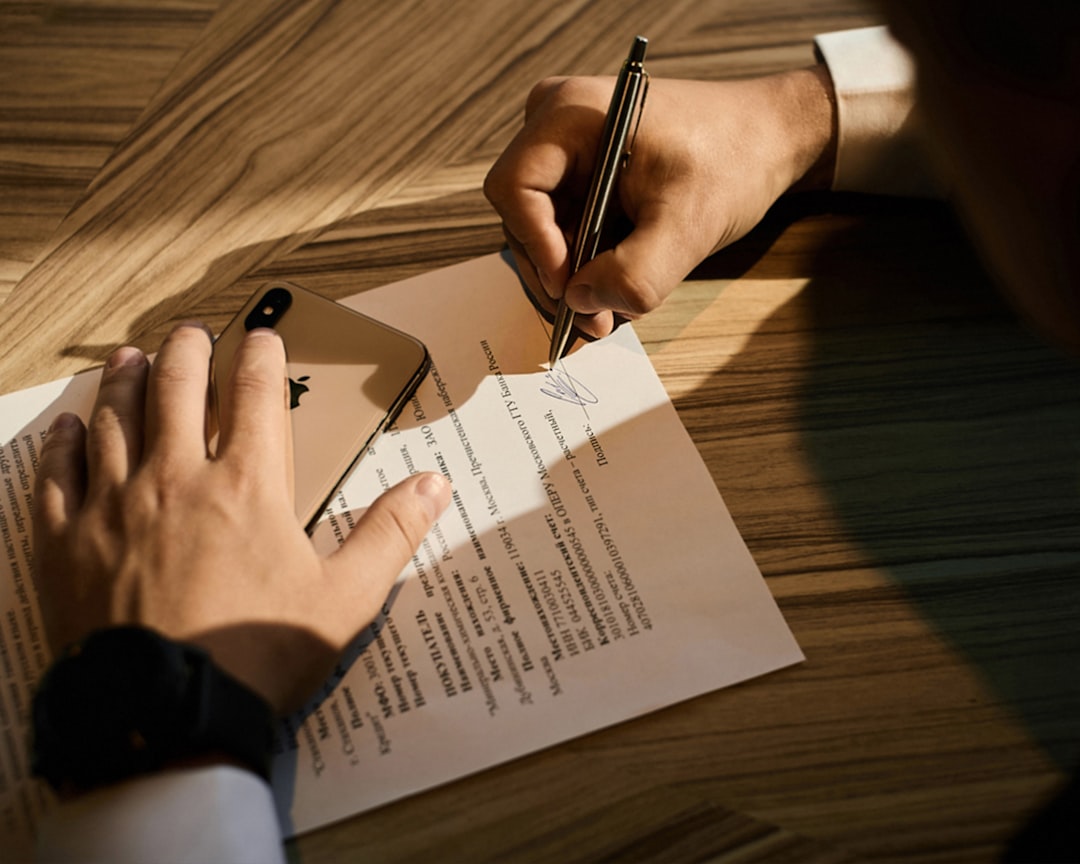 Photo by Signature Pro on Unsplash
What Is a Home Sale Contingency?
A home sale contingency means the buyer's purchase of your property depends on their own home selling first. If their home doesn't close, their offer on your property dies — and you've potentially been off the market for 30 to 60 days with nothing to show for it.
There are two types:
- Settle and sale contingency: The buyer must close on their current home before they can close on yours. This is the riskier version — they may not have a buyer yet.
- Sale and settlement contingency: The buyer already has their home under contract. They just need it to close. This is more solid but still not without risk.
As a FSBO seller in Utah, you'll generally see these contingencies written into the standard Utah Real Estate Purchase Contract (REPC) using the Home Sale Contingency Addendum. Know what you're reading before you respond.
The Risks for Utah FSBO Sellers
Accepting a contingent offer means your home goes into limbo. The practical downsides:
- Extended market time. If the buyer's home sits unsold for weeks, yours does too. In slow seasons — typically late fall and winter in most Utah counties — this matters more.
- You may miss better buyers. While you're locked up with a contingent offer, motivated non-contingent buyers may purchase another property.
- Deals built on deals can collapse. If there's any issue in your buyer's sale — an inspection dispute in their transaction, a buyer that backs out, a title issue — your deal falls apart too.
The Kick-Out Clause: Your Best Protection
The most important tool when accepting a contingent offer is the kick-out clause, which should be included in the addendum. This provision allows you to continue marketing your home and accept another offer if a non-contingent buyer comes along. (If a buyer instead requests a right of first refusal, that's a different — and generally less favorable — arrangement.)
Here's how it works in Utah:
- You accept the contingent offer but retain the right to continue showing the home.
- If a new, non-contingent offer comes in, you notify your contingent buyer in writing — typically giving them 48 to 72 hours to either remove their contingency or release you from the contract.
- If they can't remove the contingency (usually because their own home isn't under contract), you can proceed with the new buyer.
Without a kick-out clause, you're stuck waiting. With one, you maintain real leverage. If a buyer won't accept a kick-out clause, that's a significant red flag.
Evaluating Whether to Accept at All
A contingent offer isn't automatically bad. Whether to accept depends on several factors:
- How far along is the buyer's home sale? A buyer who already has their home under contract and is two weeks from closing is very different from a buyer who hasn't listed yet.
- How long has your property been on the market? If you've had strong showings and expect other interest, waiting may be worth it. If traffic has been slow, a contingent offer keeps your deal alive. Understanding when the best time to sell your Utah home is also informs this decision — sometimes waiting through a slow season isn't strategic.
- How competitive is your price? In a competitive Utah market like Draper, Lehi, or South Jordan, a contingent offer at full asking price might still be your best option — particularly if the buyer's home is already listed and priced well.
- What are the backup options? Did you just list, or have you been sitting for months? Your market position changes the calculus entirely.
What to Negotiate
If you accept a contingent offer, push back on these terms:
- Shorten the contingency period. A 30-day window is more protective than 60. If the buyer's home isn't under contract within 30 days, you should have the right to cancel.
- Require the buyer to have their home actively listed. Don't accept contingencies from buyers who haven't started the selling process.
- Include a kick-out clause with a short notification window. 48 hours is standard; do not agree to more than 72 hours.
- Ask for a higher earnest money deposit. Contingent offers carry more risk, and a larger earnest money deposit compensates for that. A deposit of 2–3% of the purchase price shows buyer commitment. If the contingency falls through and you need to retain the deposit, understanding when earnest money gets returned and when you keep it ensures you know your rights.
For a deeper look at how to respond when offer terms aren't in your favor, see how to negotiate repairs after a home inspection — many of the same leverage principles apply.
When to Walk Away
Walk away from a contingent offer when:
- The buyer hasn't listed their own home yet and wants 60-plus days
- There's no kick-out clause and the buyer refuses to add one
- Your market is active and you have other showings lined up
- The contingency timeline extends past your acceptable move date
It can feel wrong to turn down an offer, especially if you've been waiting. But a bad contingency can cost you more time and better buyers than simply declining and continuing to show the home.
One Practical Step Before Signing Anything
Before you accept or counter any contingent offer, review the REPC addendum language carefully. Utah's Home Sale Contingency Addendum has specific deadlines and notification requirements. If the language is ambiguous or missing your kick-out clause, do not sign first and ask questions later.
Ready to get started? Tyler offers a free 15-minute consultation — schedule yours at utahfsbohelp.com/contact.
Questions about your situation?
Book a free 15-minute call with a licensed Utah real estate attorney.
Book a Free ConsultationOr call/text: 801-725-3482