When you're selling your Utah home without a realtor, the closing disclosure is one of the most important documents you'll sign — and it's one of the most overlooked. The utah fsbo closing disclosure review process isn't complicated, but it does require you to know what numbers to check, what line items to question, and what Utah-specific charges are standard versus padded. Getting this wrong can cost you hundreds or even thousands of dollars on a transaction where you've already done all the work yourself.
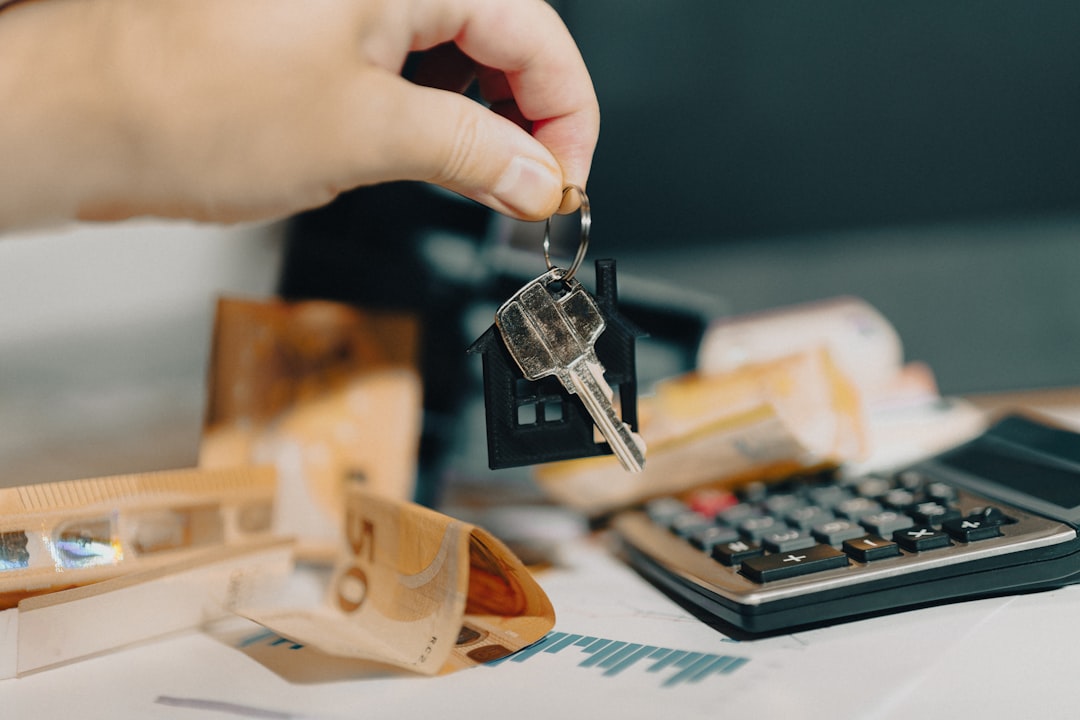 Photo by Jakub Żerdzicki on Unsplash
What Is the Closing Disclosure?
The Closing Disclosure (CD) is the final settlement statement your title company or escrow officer prepares before closing. In Utah, it's typically issued by the title company handling the transaction — companies like RH Title, Fidelity National Title, or Stewart Title. You should receive it at least three business days before your closing date if the buyer is using a mortgage loan (required by federal TRID rules).
If you're selling to a cash buyer, the timeline can be shorter, but you still have the right to review every line before you sign.
The CD breaks down:
- Your sale price
- Credits to the buyer (if any)
- Prorations (property taxes, HOA dues, utilities)
- Closing costs you're paying (title fees, recording fees, agent commissions if applicable)
- Your net proceeds
Key Line Items for Utah FSBO Sellers
1. Property Tax Prorations
Utah property taxes are paid in arrears — meaning you'll likely owe a prorated portion of the current year's taxes even though they haven't been billed yet. The proration is calculated based on the closing date and the county's estimated tax amount.
Double-check:
- Which county tax rate is being used (Salt Lake County, Utah County, Davis County, Weber County, Washington County, etc.)
- Whether the proration uses the prior year's actual tax or a projected estimate
- Whether any supplemental tax bills are reflected
If your home was recently assessed upward, the prior-year rate may significantly underestimate what's actually owed. This is common in fast-growing areas like St. George, Lehi, or Herriman.
2. Your Mortgage Payoff Amount
This is usually the largest deduction from your proceeds. Confirm:
- The payoff figure matches your lender's payoff statement (request one directly from your lender before closing)
- The per-diem interest is calculated correctly through your closing date, plus a day or two buffer
- Any prepayment penalties are accurately reflected if your loan has them
Even a one-day error in the per-diem rate can cost you $50–$200 depending on your loan balance. Request an itemized payoff letter directly from your servicer, not just the figure on the CD.
3. Title and Escrow Fees
In Utah, it's standard for the seller to pay for the owner's title insurance policy for the buyer. The buyer typically pays for their own lender's policy. Make sure the CD reflects this correctly — especially if you negotiated something different in your Utah REPC.
Watch for:
- Owner's title insurance — who is paying and at what amount
- Escrow/settlement fee — both buyer and seller typically split this, but the split should match your REPC
- Recording fees — standard charges from the county recorder's office
- Wire transfer fee — usually $25–$40 to send your proceeds; confirm it's not double-charged
4. HOA Transfer and Estoppel Fees
If your property is in a homeowners association in Utah, there are often several fees associated with the transfer:
- HOA transfer fee (charged by the HOA)
- Resale certificate or estoppel fee (document preparation by the HOA management company)
- Proration of prepaid HOA dues
These should match what you disclosed to the buyer during the transaction. If your HOA management company charged more than estimated, you'll want to verify who agreed to pay the difference — seller or buyer — per your REPC addenda.
5. Credits and Concessions
If you agreed to give the buyer a closing cost credit, repair credit, or interest rate buydown contribution, it should appear as a line item reducing your net proceeds. Verify:
- The credit amount matches exactly what's in your signed REPC or addendum
- Credits aren't double-counted or misattributed
- The buyer's lender hasn't disallowed any credits (lenders sometimes cap seller concessions)
See our guide on understanding your closing costs as a Utah FSBO seller for a full breakdown of what's typically negotiable.
How to Review the CD Before Closing
Step 1: Request the CD as early as possible. The title company will send a draft CD before the final version. Ask for it the moment it's available so you have time to review.
Step 2: Compare it to your REPC. Open your Real Estate Purchase Contract side by side with the CD. Every negotiated term — purchase price, credits, proration agreements — should appear somewhere on the CD.
Step 3: Cross-check your payoff. Pull up your lender's payoff letter and compare it to line A of the CD.
Step 4: Call the escrow officer with questions. Title companies in Utah are accustomed to FSBO sellers calling with questions. You're not being difficult — you're being diligent. Ask them to explain any line item you don't recognize.
Step 5: Calculate your net yourself. Don't just take the escrow officer's word for the bottom line. Add up the debits yourself and subtract from the sale price. If the numbers don't match, ask why.
Common Errors Found on Utah Closing Disclosures
- Wrong proration dates (especially around fiscal year cutoffs in November/December)
- Duplicate fees (escrow fee listed twice or recording fees assessed multiple times)
- Wrong payoff amount due to per-diem miscalculation
- Credits not applied from REPC addenda
- Incorrect HOA dues or missed HOA liens
These aren't always intentional — title companies process dozens of transactions at a time. Your job as a FSBO seller is to catch the errors before you're at the table.
The Bottom Line
The closing disclosure is your last checkpoint before you hand over the keys. In Utah, no one is legally required to review it for you — your FSBO status means you're the final line of review. If you want a real estate attorney to walk through the CD with you before closing, that's a reasonable request that can typically be handled in a single short consultation.
Ready to get started? Tyler offers a free 15-minute consultation — schedule yours at utahfsbohelp.com/contact.
Questions about your situation?
Book a free 15-minute call with a licensed Utah real estate attorney.
Book a Free ConsultationOr call/text: 801-725-3482