Selling a home with an accessory dwelling unit (ADU) in Utah increases your sale price potential — but it also adds disclosure obligations, pricing complexity, and buyer financing complications that FSBO sellers need to handle correctly before listing. Whether you have a basement apartment in Utah County, a detached backyard cottage in Salt Lake City, or a garage conversion in Davis County, the process is different than selling a standard single-family home.
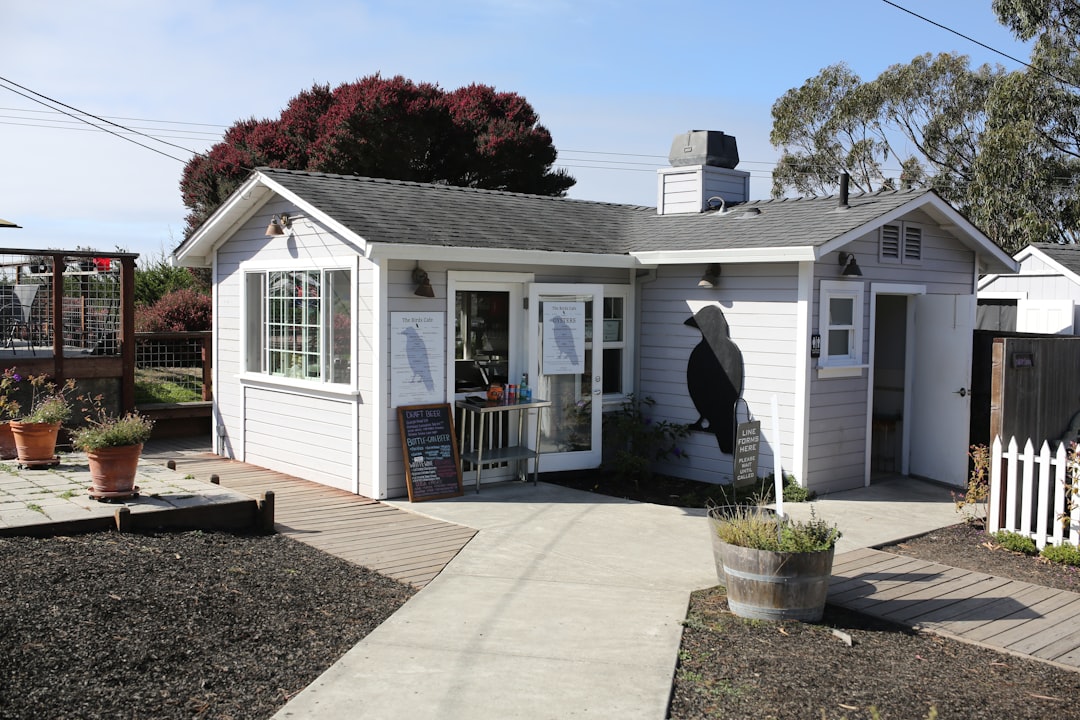 Photo by Sean Thoman on Unsplash
The Permit Question Comes First
The most important factor in selling a home with an ADU in Utah is whether the unit was built with a permit. Utah's Legislature passed HB 82 in 2021, requiring cities over 10,000 in population to allow ADUs in single-family zones — which covers most of the Wasatch Front. But "allowed" doesn't mean "automatically legal." What matters to buyers and lenders is documented permit history.
Permitted ADUs show up on county assessor records, qualify for rental income treatment by most lenders, and can typically be marketed as a legal income unit. Unpermitted ADUs are a different situation. You have three realistic options: disclose it fully and sell as-is, attempt retroactive permitting through your city's building department (Salt Lake City and Provo both have pathways for this), or price the space as bonus square footage rather than a rentable income unit.
Under Utah's seller disclosure requirements, you must disclose known material facts — and an unpermitted ADU that doesn't meet current code qualifies. Skipping that disclosure can expose you to post-closing legal claims. See the Utah FSBO Disclosure Checklist for a full rundown of what must be provided in writing.
How ADUs Affect Sale Price in Utah
A permitted ADU currently renting for $1,200/month can add $80,000–$120,000 in value in some Salt Lake City neighborhoods based on comparable sales and income approach. In suburban areas of Utah County or Weber County, the premium is typically smaller because rental demand is softer and buyer preferences vary.
Key pricing tiers:
- Permitted and rented: Highest premium. Buyers may be able to use rental income to qualify for their loan.
- Permitted and vacant: Good premium. Buyers can verify legality and understand the rental opportunity.
- Unpermitted and disclosed: Modest premium, if any. Some buyers will negotiate a reduction to cover permitting costs.
- Unpermitted and undisclosed: Legal exposure. Don't go this route.
Check your county's assessor database and recent sales of comparable ADU properties in your area to calibrate your price. Each Utah county maintains searchable records online.
Buyer Financing Restrictions
Your buyer's lender will look at the ADU carefully, and this affects which buyers can purchase. Conventional loans (Fannie Mae/Freddie Mac) can accommodate ADUs that are clearly accessory to the main residence — meaning the primary home is the dominant living space and the ADU is secondary. FHA loans allow ADUs and can apply rental income toward buyer qualification if the unit is legally permitted. VA loans are more restrictive; VA appraisers will flag unpermitted space, which can delay or kill the deal.
Cash buyers face no lender scrutiny and are often the cleanest option for FSBO sellers with unpermitted ADUs who prefer to sell as-is. Be upfront in your listing about permit status — buyers who plan to finance will ask, and finding out during their due diligence period contingency timeline under the Utah REPC gives them grounds to cancel.
Selling With a Tenant in the ADU
If your ADU is occupied when you list, Utah landlord-tenant law affects your sale. You must give the tenant reasonable notice (typically 24 hours) before each showing. If they have a fixed-term lease, the buyer inherits it and the security deposit transfers at closing. If it's month-to-month, Utah requires at least 15 days' written notice to terminate under Utah Code § 78B-6-802.
Many FSBO sellers offer "cash for keys" — a payment to the tenant to vacate before closing. This is legal in Utah and often preferred by buyers financing with conventional or FHA loans.
ADU Disclosures on the Utah REPC
When preparing your contract, make sure the Utah REPC accurately addresses the ADU:
- Appliances: Clarify whether appliances in the ADU are included or excluded
- Occupancy: If tenant-occupied, address when and how the ADU will be vacated
- HOA restrictions: If you're in an HOA, the CC&Rs may restrict ADU use — disclose any known restrictions in writing
Review the standard REPC forms at utahfsbohelp.com/forms to make sure your contract covers these items clearly.
Local Zoning at a Glance
ADU rules vary by city across Utah. Salt Lake City is among the most permissive, with retroactive permitting available. Provo allows ADUs by right in R-1 zones. St. George and Washington County have updated their ordinances to allow ADUs amid rapid growth. If you're unsure whether your ADU is in compliance, a quick call to your city's planning department — or a written zoning confirmation — can serve as a marketing tool that reassures buyers and their lenders.
Ready to get started? Tyler offers a free 15-minute consultation — schedule yours at utahfsbohelp.com/contact.
Questions about your situation?
Book a free 15-minute call with a licensed Utah real estate attorney.
Book a Free ConsultationOr call/text: 801-725-3482